


This series features interviews with the developers of intriguing new indie games. In this installment, we present a mini-interview with the developer of “Remote Reaper: FPV Combat Drone Simulator,” a drone simulator developed by Vladyslav Fomenko and released for PC on October 14.
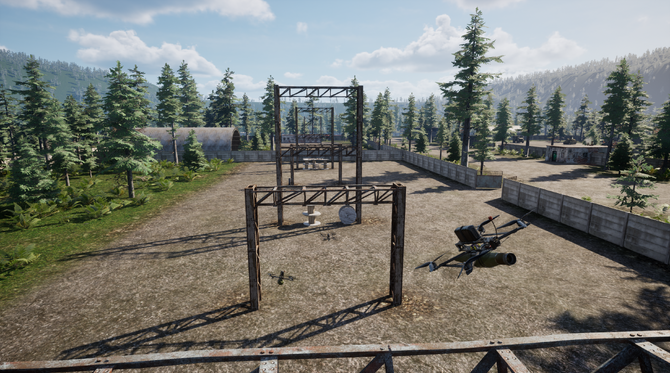
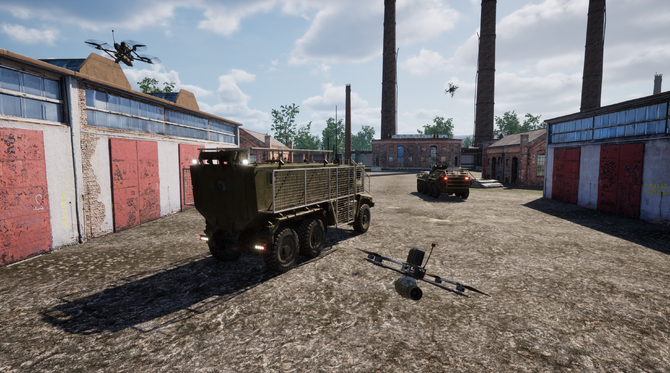
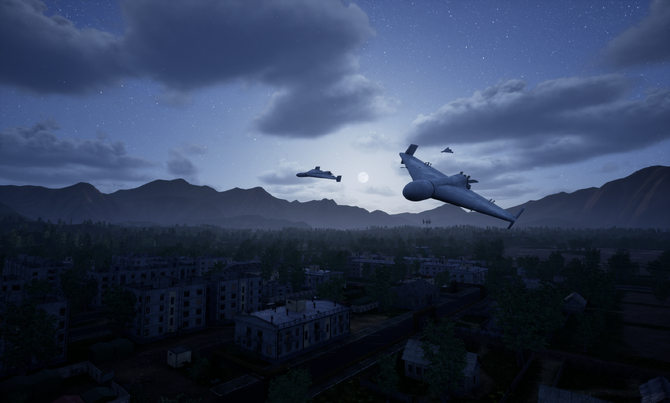
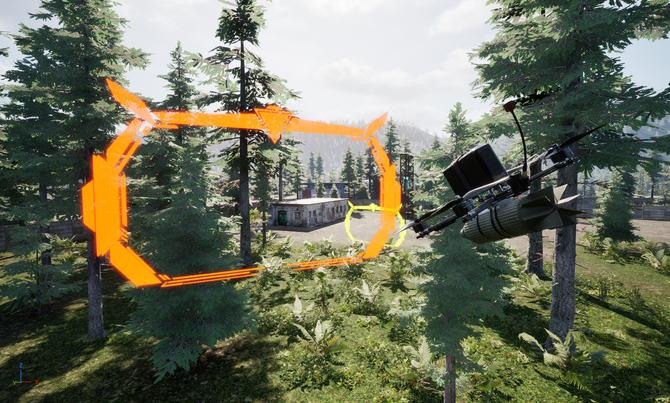
Created by a Ukrainian developer, this simulator lets players pilot a modern FPV drone to carry out various missions. Players execute precise attacks while employing a variety of tactics against targets such as armored vehicles, aerial targets, and infantry. As of this writing, the game does not support Japanese.
“Remote Reaper: FPV Combat Drone Simulator” is available for 2,600 yen.
――First, please introduce yourself. What is your favorite game?
Vladyslav: I’m Vladyslav Fomenko, an independent developer based in Ukraine. I’ve been developing games for over 10 years and have seven years of commercial game development experience as a technical game designer.
“Remote Reaper” is my main project. I’m developing it myself while receiving ongoing advice from military drone pilots. This project is completely independent; it receives no financial support from investors, government grants, or military contracts of any kind.I make all major decisions myself and only enlist the help of freelancers for specific areas of expertise.
“My favorite game”? That might be the hardest question for me to answer. As a game designer, I’m required to play a diverse and wide range of games. I love games myself, but I can’t single out any specific title and say, “This is it.”
――Could you tell us about the features of this game? Also, how did you come up with the idea?
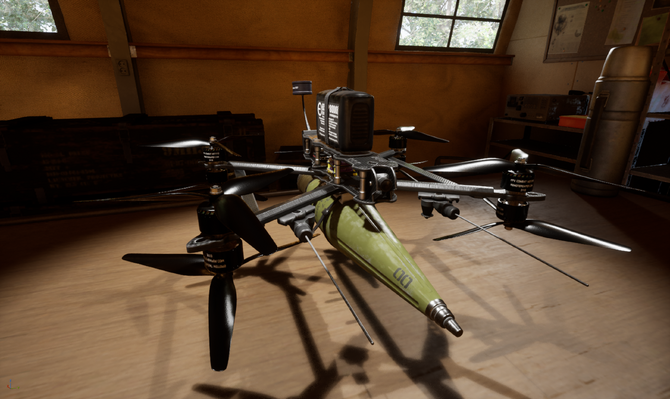
Vladyslav: “Remote Reaper” is a simulator where you pilot a combat FPV drone loaded with explosives. Many existing drone simulators are designed for racing or freestyle modes that prioritize speed and stunts.
However, in *Remote Reaper*, every flight involves a specific mission: “evade enemy interference, locate the target, and hit it.” Because the drone is heavy, it has significant inertia, and its radio signals are jammed by enemy electronic warfare (EW), so every flight requires precise control.
This idea stemmed from two factors. One was the desire to “create a game that I myself could get completely absorbed in,” and the other was a request from active pilots who wanted “a simulator capable of reproducing a realistic flight experience while carrying a heavy payload.”When we began development, no games with this concept existed, so we had to explore from scratch what kind of gameplay would resonate with this extremely niche and specialized target audience.
――Were there any works that influenced the development of this game?
Vladyslav: My primary source of inspiration was “reality” itself. I drew inspiration from the reality of how FPV drones are currently being used on the battlefields of Ukraine.
I intentionally avoided using other games as references. My sole reference was the “real-world experience.” In general game development, game designers often build upon existing projects, so this is a very unusual approach. However, for me, that option simply didn’t exist.
Not only did I spend a great deal of time actually piloting drones myself, but I also received a lot of advice from people with experience piloting drones carrying heavy loads. I also researched how drones are used tactically and figured out how to incorporate that into the simulator.
――Could you share one episode that left the deepest impression on you during the development of this game?
Vladyslav: Actually, there are two episodes that stand out to me. Each one evoked completely different emotions.
Two or three months before the Early Access release, the location where we had set up the *Remote Reaper* servers came under missile attack and sustained extensive damage. Fortunately, no one was injured, but war brings unforeseen challenges to any project. Even so, I didn’t let it stop me.I learned from this experience and decided to take measures to minimize the risk of this project being affected by the war as much as possible.
There were many joyful moments during development, but one that stands out as unforgettable was when the host of an extremely popular Ukrainian drone channel released a video about my project. I hadn’t expected it at all.It was truly fortunate to have someone I deeply respect take notice of my work. At first, I was terrified of how the video would be received, but what I actually received was extremely positive feedback and helpful advice on how to improve the project.
――What kind of user feedback have you received since the release? Please share any particularly memorable comments.
Since the release of Vladyslav Version 1.0, we’ve received a great deal of feedback from players and pilots around the world. The physics, the sense of weight in the explosives, and support for FPV controllers have been particularly well-received.
On the other hand, there were some requests we deliberately chose not to implement. For example, a request to “add attack missions targeting urban infrastructure.” I live in a country where such attacks occur on a daily basis, and I wanted to avoid the game condoning or encouraging such acts.
I spent nearly two full days thinking hard about which piece of feedback to highlight as particularly memorable, but I simply couldn’t choose just one. The development of this game is deeply intertwined with our players.We’ve received a wealth of advice on existing systems and ideas for new features, and it’s a daily occurrence for me to spend hours chatting with pilots and exchanging opinions. That’s precisely why, to me, every piece of feedback we’ve received holds equal and irreplaceable value.
――Taking user feedback into account, could you tell us about your plans for future updates?
Vladyslav: I intend to continue supporting this project for the long term. The main focus of future updates will include adding new missions and targets, new tracks for Race Mode, new maps and enemy vehicles, expanding the roster of allied units and vehicles, and implementing a small-scale story campaign.
We’re also planning to add background combat effects—such as rocket launches, artillery fire, and Multiple Launch Rocket System (MLRS) strikes—that take place right in front of players to enhance the sense of immersion. Additionally, we plan to release a macOS version.
We are currently in the process of gathering feedback from players and pilots, and we intend to determine development priorities after carefully reviewing that feedback.
――Could you tell us about the Japanese language support for this game? Is volunteer translation possible?
Vladyslav: At this time, the game does not yet support Japanese.The currently supported languages are English, Ukrainian, Polish, German, French, Spanish, Italian, and Portuguese. The addition of Japanese is expected to come a bit later; one reason for this is that, in addition to UI adjustments, we need to verify that all fonts used display correctly in a Japanese environment.
Unfortunately, I don’t understand Japanese, so if there’s anyone out there who can help, I’d really appreciate your assistance!
――In this project, why and specifically how did you use content generated by generative AI? Also, what are your feelings about generative AI?
Vladyslav: I use generative AI as a “tool” to accomplish specific tasks.Since it’s impossible for me to handle everything on my own, AI has helped me compensate for my biggest weakness: “music.” In particular, I’ve spent an enormous amount of time producing the music for the main menu and the trailer, going through a very meticulous selection process and editing and adjusting the tracks myself.I understand that AI can be frustrating for many players, so I’ve taken care to limit its use to “areas where there’s no other option” and “areas that won’t cause discomfort for players,” keeping it to a minimum.
On the other hand, the 3D models, flight physics, and game systems were all created by human hands. These elements are simply too important to entrust to AI.
I view AI as a “tool for improving work efficiency.” However, I believe that the final judgment and responsibility always lie with humans.
――Is it okay to stream or monetize this game?
Vladyslav: Of course! Players are free to stream *Remote Reaper* and monetize videos on any platform, including YouTube and Twitch. No special permission is required at all.
I’d be thrilled if content creators would send me links to their streams or videos. I love supporting you all, and I often give away a few game keys so you can use them for viewer giveaway events, for example.
――Finally, please share a message for our Japanese readers.
Vladyslav: To all our readers in Japan, thank you for your interest in *Remote Reaper*. I’d also like to express my sincere gratitude to Game*Spark for featuring my project. Thanks to this interview, I’ve had the opportunity to introduce this game to players in Japan.
Whether you’re a flight simulator fan or just looking for something new, I encourage you to give flying an FPV drone a try. For those who’ve never flown a drone before, the game includes a mode with simplified controls. I look forward to hearing your feedback!
――Thank you very much.
◆ About “Spotlight on Indie Mini-Q&A”
This series features email interviews with indie developers shortly after their games are released. To ensure regular publication, we’ve standardized the questions, with the goal of sharing the voices of as many developers as possible. Please also enjoy our archive of over 1,000 other interview articles.
