


The latest installment in the series, *Call of Duty: Modern Warfare 4*, was released on October 23.In addition to a campaign depicting an all-out war breaking out on the Korean Peninsula and a conspiracy surrounding Captain Price, the game features a variety of game modes, including an enhanced multiplayer mode and the escape shooter “DMZ.”
In this article, we present a review focusing on the DMZ mode—which portrays the game’s world as a PvPvE shooter—and the multiplayer mode, which now includes new rules. We’ve also published a review of the campaign, so be sure to check that out as well.

Note: Activision provided a review code for this article; the content and screenshots are from the PC (Steam) version.
The PvPvE escape shooter “DMZ” mode leaves a very positive impression. The fun of completing objectives and its casual playability are major draws
First, let’s talk about “DMZ,” the revamped PvPvE escape shooter mode in this game. Set as a sequel to the single-player campaign, the battle takes place in “Hajin,” a restricted zone created by a nuclear reactor meltdown.
Players take on the role of an unofficial operator working in collaboration with the CIA, deploying to the South Korean border region—an area abandoned due to a North Korean invasion and widespread radioactive contamination. You can deploy solo or as part of a team formed through matchmaking, aiming to complete assigned objectives by exploring the danger zone to recover supplies and eliminate targets.
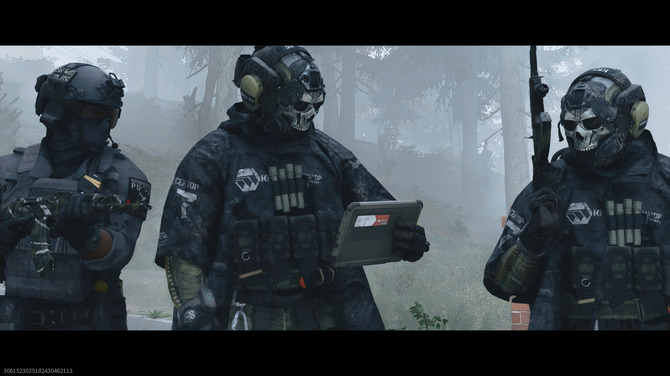
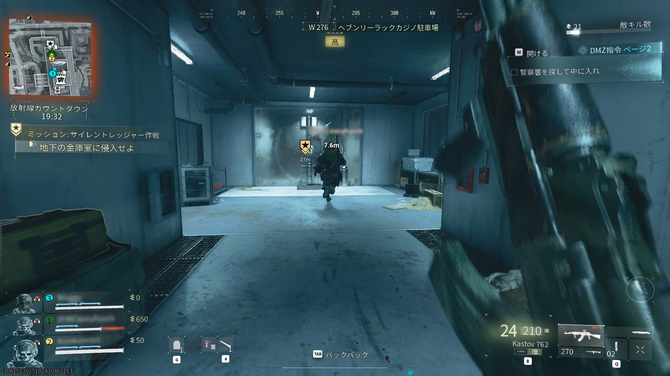
There are three main ways to play in the DMZ. In “Story Missions,” which feature a story unique to DMZ mode, you’ll infiltrate a hospital to escort an officer, storm a vault hidden beneath a casino, or subdue enemy forces based throughout Hajin—the content and targets vary widely.
In “Dynamic Ops,” you can also deploy solo or in multiplayer to carry out randomly assigned objectives that differ from the story missions.Since the required procedures and objective locations differ each time, it’s crucial to make decisions based on the map and situation and respond flexibly. Finally, in “Free Roam” mode, you can set out freely without any specific tasks. You can roam Hajin at will—gathering resources, engaging other players in combat, and more.


In “Story Missions” in particular, you’ll often find yourself storming facilities teeming with enemies, and there are phases during the mission where you’ll need to fend off enemy reinforcements and defend your objective at all costs. Boss-level enemies, in particular, are heavily armed, making these missions somewhat challenging.In some cases, you’ll struggle to complete a mission without specific gear—such as night-vision goggles—so the cycle of gathering equipment in other modes is crucial.
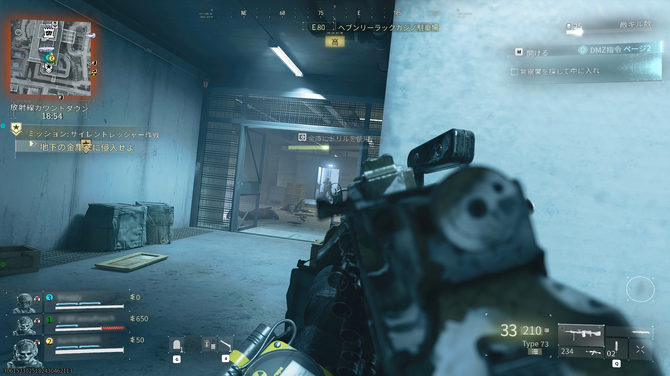
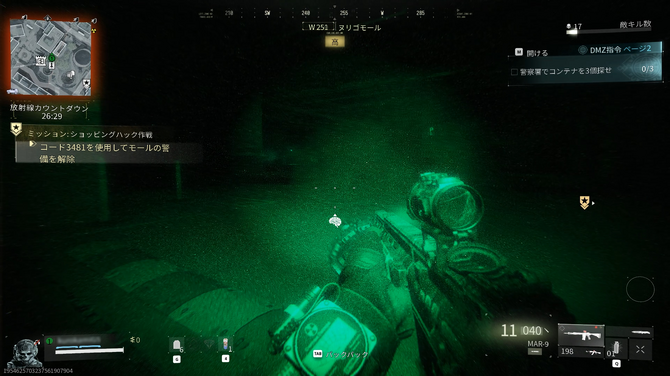
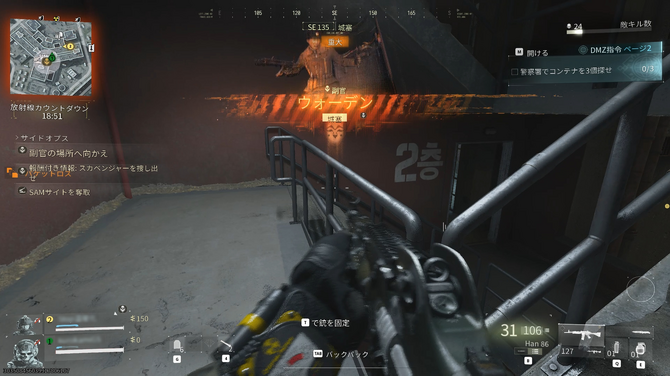
Additionally, by using resources and items brought back from exploration, players can restock consumables and other items at their base, the FOB. There are limits to the amount of money and items you can carry, and upgrading facilities gradually increases these limits—so gathering through exploration is just as essential as combat itself.
As a result, the game offers flexible matchmaking tailored to players’ objectives—such as “cooperating to progress through story missions,” “completing Dynamic Ops to earn rewards and enhance gear,” or “exploring in Free Roam to gather materials.” It also provides the enjoyment of planning your next steps while gradually upgrading your gear and facilities.

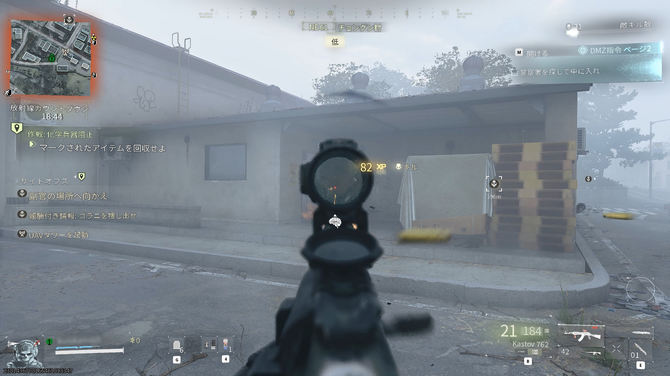
Furthermore, DMZ mode features various design choices aimed at making the experience more accessible.The standard enemy NPCs deployed across the field have strength and equipment comparable to those encountered in campaign missions, so while the mode is positioned as PvPvE, it feels more like a PvE experience. When I played—though this may have depended on the time of day for matchmaking—I actually only engaged in combat with other players a few times.
This makes it accessible for players who say, “I’m not really good at PvP or PvPvE…” as well as solo players looking for a casual experience. Plus, since the game provides random gear when you deploy, it’s a great way to get started and gradually improve your skills using that equipment.
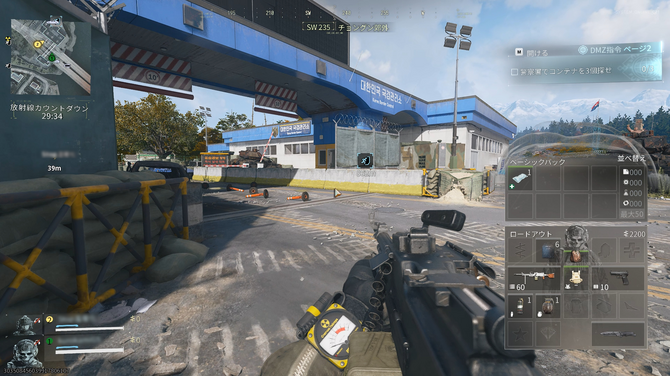
When an Operator dies, they are marked as MIA (Missing in Action), but you can pay in-game currency to revive them while retaining the traits they’ve earned. However, any lost gear will not be returned. You can also choose to dismiss them without rescuing them and start over with a new Operator.Although the amount required increases as the operator levels up, this system should go some way toward alleviating the anxiety of thinking, “What if I die?”

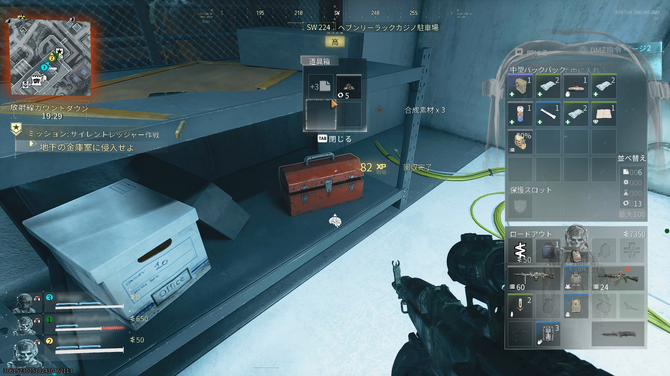
Another small but welcome feature is that the game automatically collects materials and other items when you loot containers and other locations. You don’t have to click on each item individually to pack it into your backpack, allowing you to move on to the next location immediately.
Overall, despite being a PvPvE shooter, the game is designed to be casual and accessible, and as the flagship game mode, it offers substantial content and a satisfying challenge.
With a variety of ways to play—and the ability to level up weapons and unlock attachments in addition to DMZ-specific levels—it’s the perfect introduction to multiplayer after completing the campaign.
There are many areas in the multiplayer mode that feel like they need improvement, such as TTK, weapon imbalances, and map design…
In addition to familiar rules like “Team Deathmatch,” this game’s multiplayer introduces several new modes. I found the new “Inflation” mode particularly entertaining; in this mode, players are divided into two teams, and the objective isn’t just to kill enemies but also to collect money scattered across the map.
When you die, you drop a portion of the money you’ve collected, and the player with the most cash is displayed in real time as the “HVT.” Whether you choose to escort your team’s HVT or target the enemy’s HVT to turn the tide of battle, this mode demands more strategic teamwork than a simple shootout.
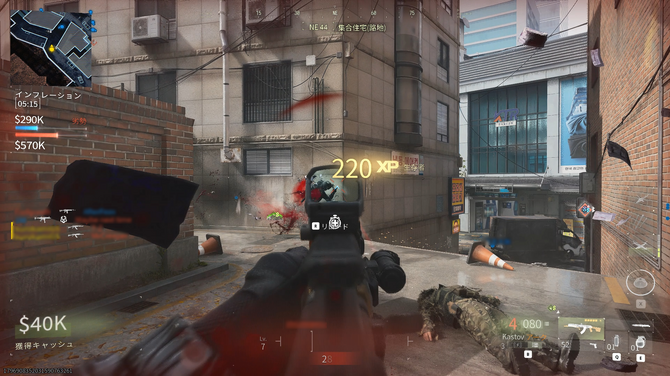
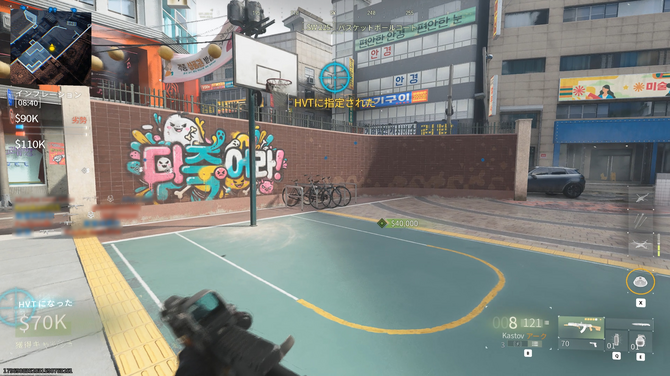
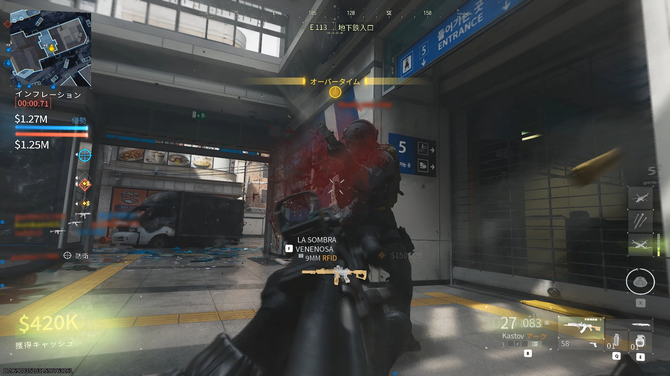
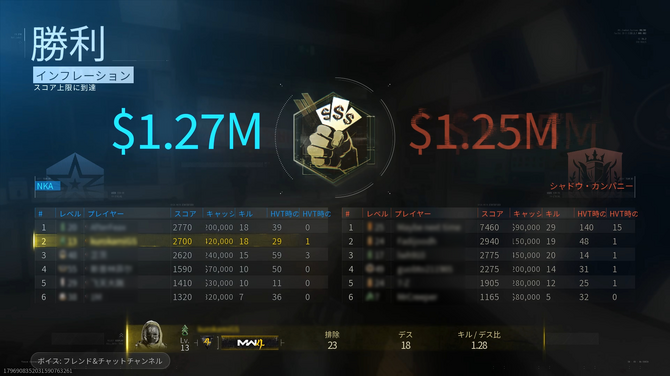
What’s more, this mode remains exciting even after entering overtime. In a match I participated in, my team was at a significant disadvantage—we’d fallen far behind—but once overtime began, we caught up to the opposing team and even managed to pull off a comeback with just one second remaining! Battles where the outcome remains uncertain until the very end can get incredibly intense.
“Collateral” is a game mode where you battle round by round while managing your funds, offering a feel similar to *VALORANT* or *Counter-Strike*. Divided into two teams—attack and defense—players take turns battling it out over the planting and defusing of a bomb.
When a player dies, they lose their equipment, but they can carry over the funds they’ve earned. This makes teamwork crucial—deciding whether to save money or buy as much as possible.

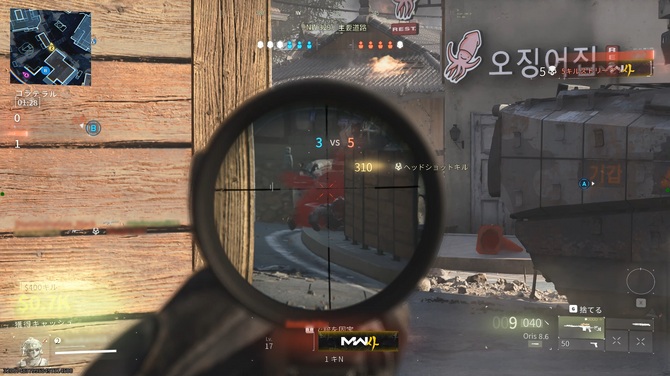
Additionally, the game’s loadout system is made even more convenient and intuitive thanks to “Gunny,” which automatically suggests customizations. Gunny offers several suggestions tailored to different playstyles, allowing even beginners to easily enjoy customizing their loadouts. Since you can also manually select parts one by one, it’s a good idea to use the automatic suggestions as a base and adjust them to your liking.
Furthermore, equipping Apex attachments allows you to alter your weapon’s performance and playstyle. Combined with Perks and customization options, the game’s wealth of build options is one of its defining features.


However, as of this writing—shortly after release—there are still many elements, such as map layout, TTK, and weapon balance, that feel like they “need improvement in future updates.”
The game’s Time-to-Kill (TTK) is on the longer side, particularly for rapid-fire weapons like SMGs and assault rifles. As a result, it seems many players are opting for “one-shot kill” weapons, such as marksman rifles and shotguns. Even if you spot an enemy first and open fire, it’s not uncommon to be taken down by a single return shot.
Because there are such significant disparities between weapons, this inevitably leads to an unbalanced situation in online multiplayer where players are limited in the types of weapons they use. SMGs, in particular, need adjustment; as things stand, they’re so underwhelming that players might as well think, “If I’m going to use an SMG, I might as well just use a shotgun,” which means the game isn’t fully capitalizing on the high level of customization mentioned earlier.
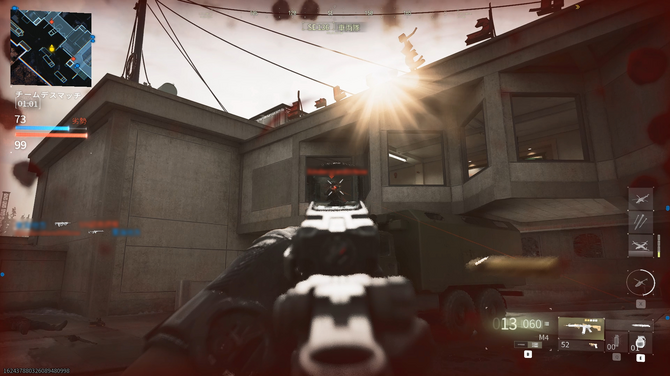
As for map design, there are some layouts that feel frustrating. In particular, on the Domination map “Call,” Point B is located on an uphill slope; once it’s captured, the battle becomes quite one-sided, and retaking it is difficult.

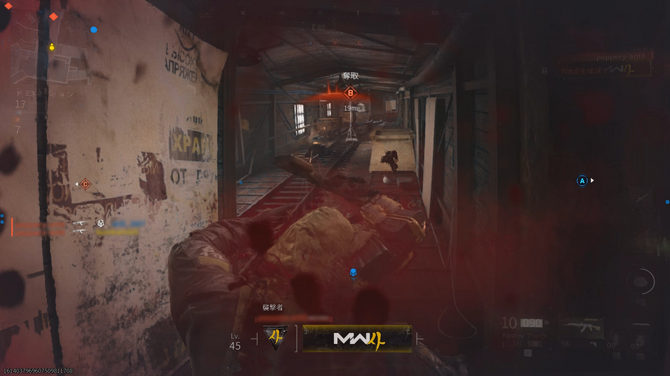
Furthermore, the Omni-Movement system introduced in recent titles like *BO6* and *BO7* is absent, and Tactical Sprint cannot be used without acquiring a Perks. As a result, overall mobility and firefights feel sluggish.It’s fair to say that, due to the game’s pursuit of “grounded” realism—combined with the long Time to Kill (TTK)—firefights currently lack a sense of exhilaration.
Since the game has been receiving frequent updates since its release, we look forward to future improvements—particularly regarding weapon balance and TTK in multiplayer—through upcoming updates.
Overall Impression
In this review, we’ve focused on the DMZ and multiplayer modes in *CoD: MW4*.Not only is the campaign high-quality, but the DMZ mode is as well. The cycle of deploying, acquiring items, and deploying again—along with various design choices throughout the mode—makes it very accessible. The bosses exclusive to DMZ are formidable opponents, and the sheer volume and challenge of this mode alone make it a major draw.
As for Multiplayer, while the introduction of new game modes has expanded the range of gameplay, factors such as map design, time-to-kill (TTK), weapon balance, and mobility remain a concern. Given how polished the Campaign and DMZ are, our overall rating would likely change if Multiplayer were improved.
Game*Spark Review: “Call of Duty: Modern Warfare 4” DMZ & Multiplayer PC (Steam, Battle.net, Microsoft Store)/PS5/Xbox Series X|S/Nintendo Switch 2 Released October 23, 2026
DMZ offers a good challenge and is easy to play. As for multiplayer, we’re hoping for improvements in future updates…
-
GOOD
- A well-crafted PvPvE (DMZ) mode designed for casual enjoyment
- The joy of gradually upgrading your gear and facilities (DMZ)
- Battles against bosses with different attack patterns and characteristics (DMZ)
- New game modes expand the range of gameplay (Multiplayer)
BAD
- Weapon balance and disparities in Time to Kill (TTK)
- Sluggish, “too grounded” gunfights
- Map layouts can sometimes be frustrating



