



Rockstar Games’ latest open-world action game, *Grand Theft Auto VI (GTA 6)*, finally launched on November 19, 2026.
Set in the series’ familiar Vice City and the surrounding Leonida State, expectations are high for this vast world brought to life by modern gaming technology.

While open-world games have now become a staple of the gaming industry, did you know that even back in the PlayStation 1 era, there was a title that attempted to create a “living city” players could freely explore?
That game is *Mizana Falls*, released for the original PlayStation on December 23, 1998.
Developed and published by Human, it is a legendary title directed, written, and designed by Taichi Ishizuka.
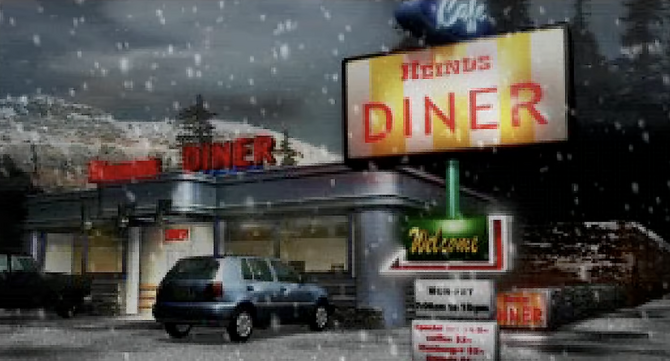
Set in the fictional rural town of “Mizzurna Falls” in Colorado, this open-world-style mystery adventure game unfolds there.
On Christmas morning, high school student Kathy Flanery is found seriously injured in the woods and taken to the hospital, but she dies shortly thereafter. Furthermore, Emma Roland, the mayor’s daughter, goes missing, and a sense of unease begins to hang over the small, remote town.
The protagonist is an 18-year-old named “Matthew Williams,” a classmate of the missing Emma. Ignoring the warnings of local Sheriff Morgan, he launches his own investigation and scrambles to uncover the truth behind the mystery.

The game’s most distinctive feature is the ability to freely explore “a single town” recreated entirely in full polygons. It also featured systems that were quite advanced for its time, including travel by car, a day-night cycle and weather system, townspeople (NPCs) who live according to their own schedules, and events that unfold in real time.
This game predates open-world classics like *Shenmue* (1999) and *GTA III* (2001), and it’s astonishing to see how it attempted to implement such an ambitious system.
In this article, we’ll examine the world depicted in *Mizana Falls* from a player’s perspective to uncover what kind of gameplay and experiences it actually offered, and take a look back at its appeal.

◆ The game is available for 7 days. Freely explore a small town in the U.S. and unravel the mystery of the disappearances
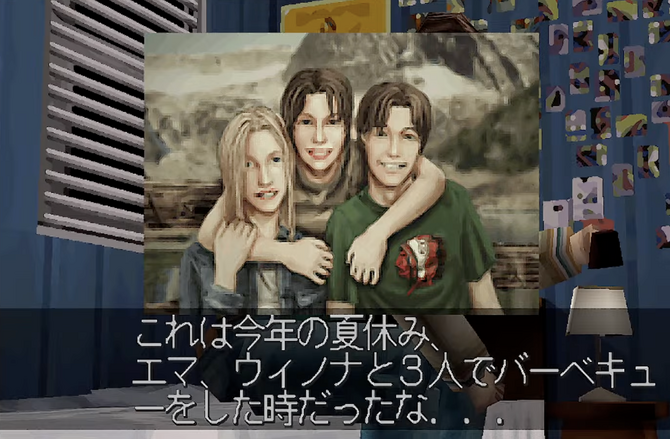
As mentioned at the beginning, on the morning of December 25, 1998, 16-year-old high school student Kathy was found seriously injured in the town’s forest; she was transported to the hospital but later died.Furthermore, two shocking incidents—including the disappearance of Emma Roland, the mayor’s daughter—rocked this normally peaceful rural town.
The player’s primary objective is to find Emma, who went missing during the seven days from December 25 to 31, and uncover the truth behind this series of events.
With that in mind, let’s take a look at the game’s distinctive systems and world by following the timeline of the first day of the investigation. Please be aware that this contains story details, so be careful of spoilers.
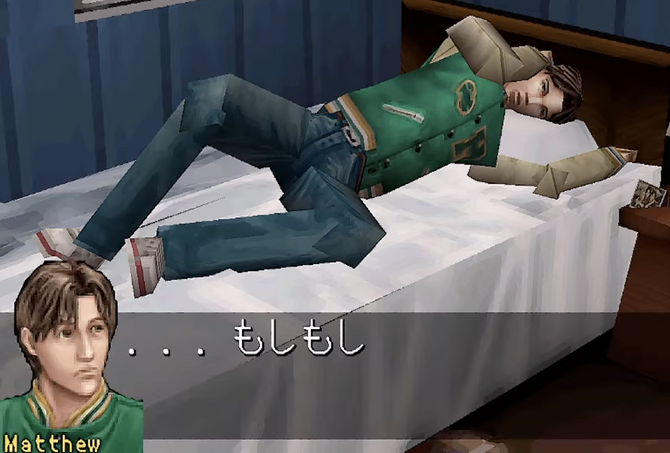
The game begins with a prologue that lasts for a while. The protagonist is Matthew, an 18-year-old high school student who lives in an annex of “Captain Nods,” a general store run by his uncle.
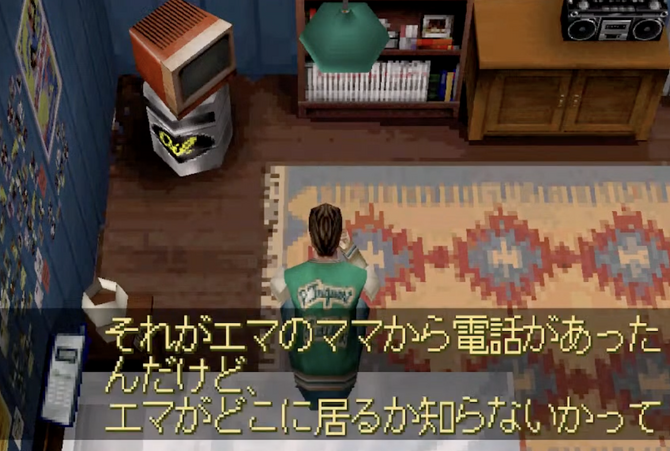
While lounging in his room, he receives a phone call. It’s from his classmate “Winona,” who asks if he has any idea where their mutual friend “Emma” might be, as she’s gone missing.
In fact, both Winona and Matthew had noticed that Emma had been acting strangely lately. In particular, last night (December 24), she seemed to have a lonely air about her, unlike usual.
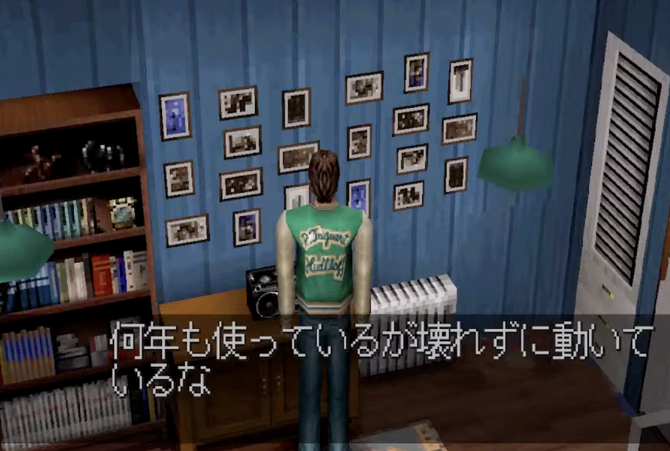
After this phone call, the game becomes playable, and you can control Matthew. Movement uses the so-called “tank controls” that were standard at the time—using the D-pad to move forward, backward, left, and right, and the X button plus Up to dash—which is almost identical to the early *Biohazard* games.
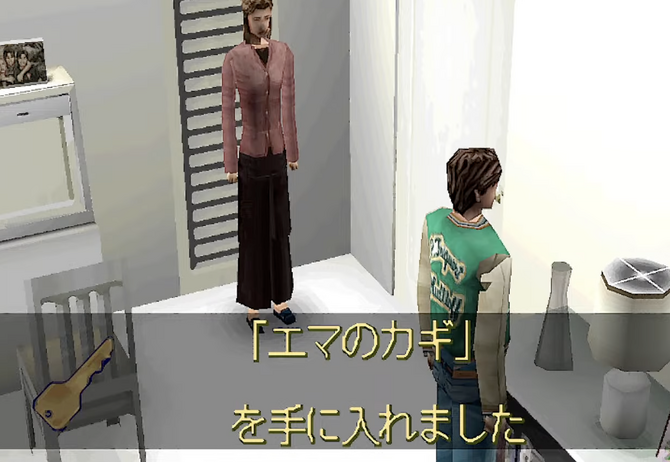
Before heading out, take a look around Matthew’s room—it’s packed with nostalgic ’90s items like a huge poster, a CD boombox, a bookshelf, and a CRT TV, which really tugs at the heartstrings.
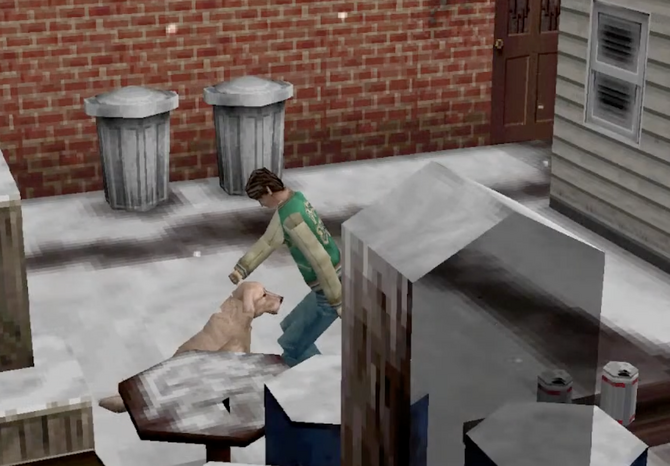
Also, the fact that you can interact with so many details really gets me excited. That’s because simply being able to explore every nook and cranny makes the sense of immersion in the game completely different.
By the way, you can even pet his Golden Retriever. While many games nowadays let you pet animals, I’m surprised this one incorporated that feature so early on.
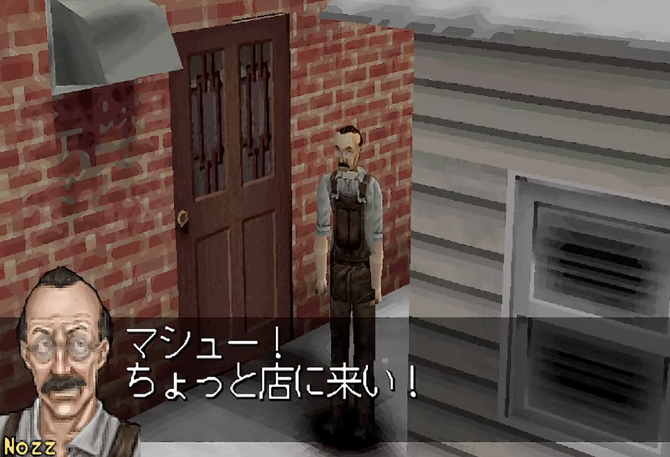
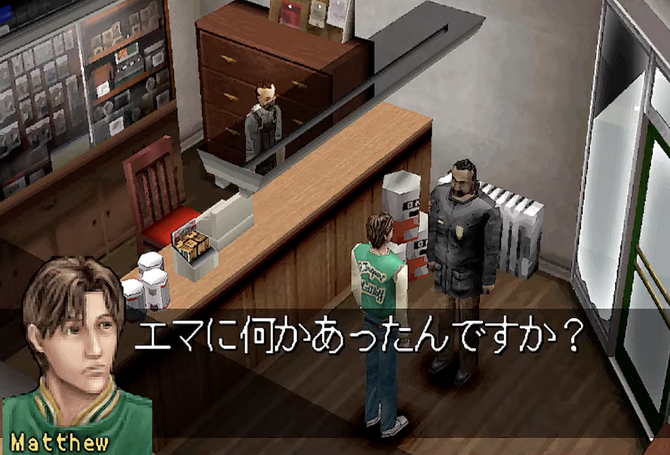
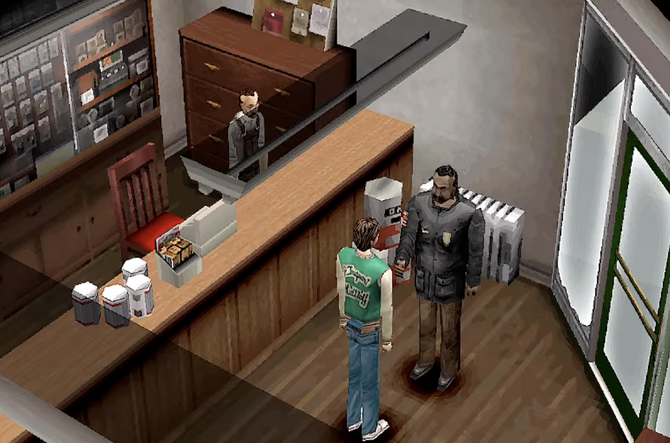
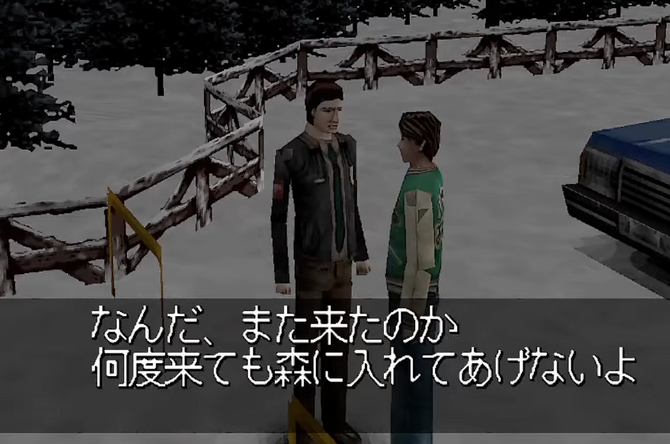
When Matthew leaves his room to meet Winona in person, his uncle calls out to him, “Come to the store.” When he arrives, he finds a middle-aged man named “Morgan Stein”—the town’s sheriff—waiting for him, who asks about Emma’s disappearance.
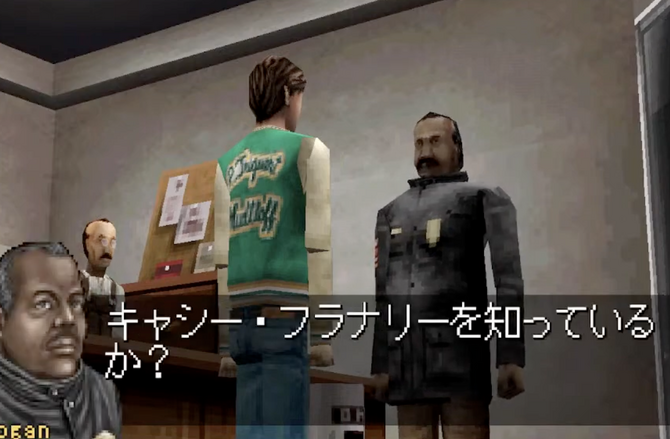
What’s concerning is not just Emma, but also information about Kathy Flanery. Kathy was reportedly found seriously injured in “Barlow Forest” early this morning (December 25), taken to the hospital, and managed to survive.
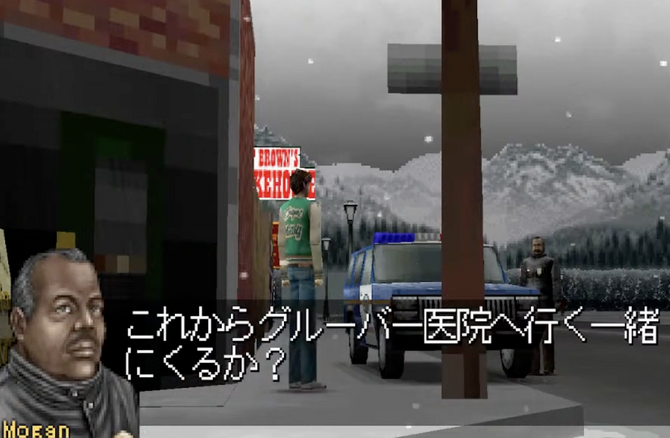
According to Morgan, there seems to be some connection between Cathy’s incident and Emma’s disappearance, so they decide to hear the details at the sheriff’s office. However, news comes in that Cathy has regained consciousness, so they abruptly change their plans and head to the hospital.
With its clever plot twists that leave you eager to know what happens next, its polygon graphics—which were highly detailed for the time—and excellent UI design featuring dialogue scenes interspersed with illustrations, this game has a charm that pulls you deep into its world after just 10 minutes of play.
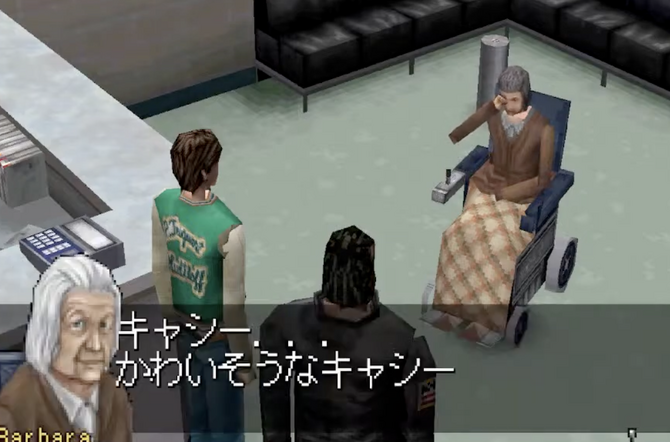
Upon arriving at “Gruber Clinic,” you’ll meet many colorful characters who will become deeply involved in this case moving forward, such as “Barbara,” an elderly woman who loves cigarettes and is an old acquaintance of Morgan’s, and James, the psychiatrist who was also treating Emma.
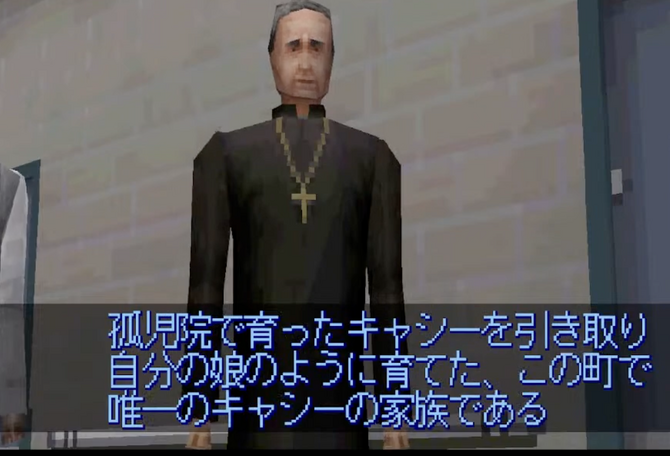
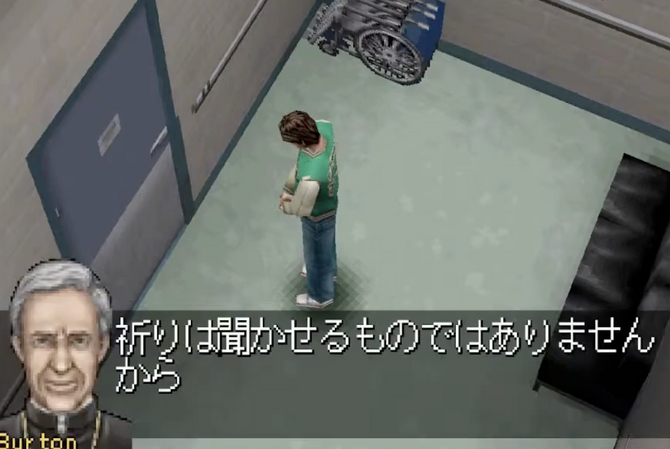
Among them, “Burton”—Cathy’s adoptive father and the priest at St. Peter’s Church—is a kind-hearted man deeply trusted by the townspeople. However, despite coming to the hospital worried about his beloved daughter’s condition, his reaction comes across as somewhat detached and cold.
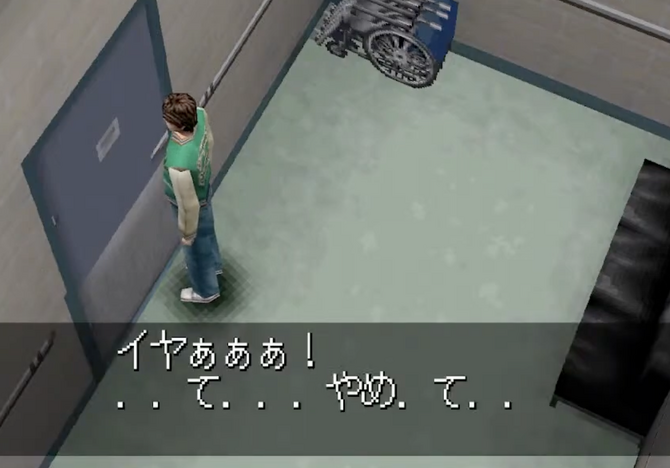
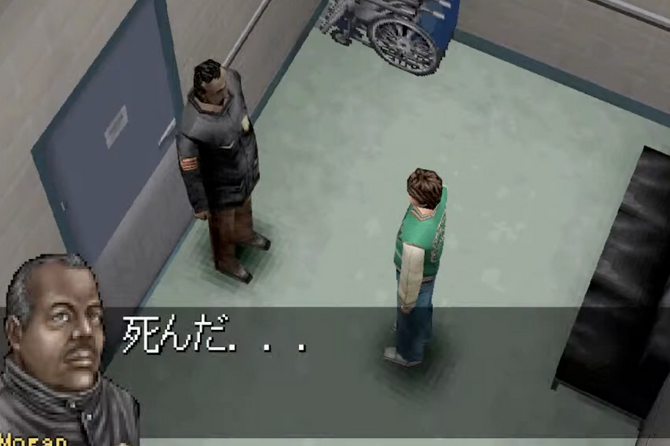
Shortly after Burton enters the hospital room to say a prayer, a scream of “Stop!” is heard. Then, as Morgan emerges from the now-silent room, he makes the shocking confession that “Cathy is dead,” leaving Matthew stunned by the sudden turn of events.
Even Morgan, the sheriff, seemed unable to believe that the death had come so suddenly, and he returned to the office. Unable to sit still, Matthew decided to follow Morgan.
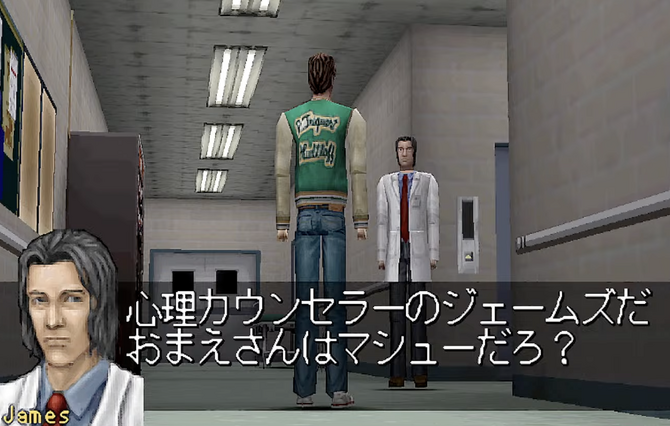
On his way out, he’s stopped by psychiatrist James, who asks him all sorts of questions about the disappearance. James says that Emma was constantly afraid of “something,” but it’s unclear exactly what that was, and he asks Matthew to let him know if he ever finds out.
What’s interesting here is the information he himself provided: “She’s been drinking at the bar since around 8 p.m.”
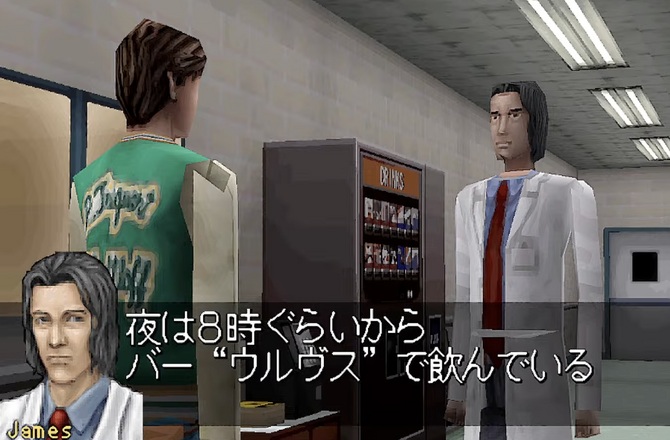
In this game, many of the residents go about their business according to their own independent schedules, so unless the player visits the desired location at the right time, they won’t even be able to meet them.
I’ll go into more detail later, but it’s truly astonishing to realize that this kind of system was already in place before the release of later titles like *GTA III* and *Shenmue*.
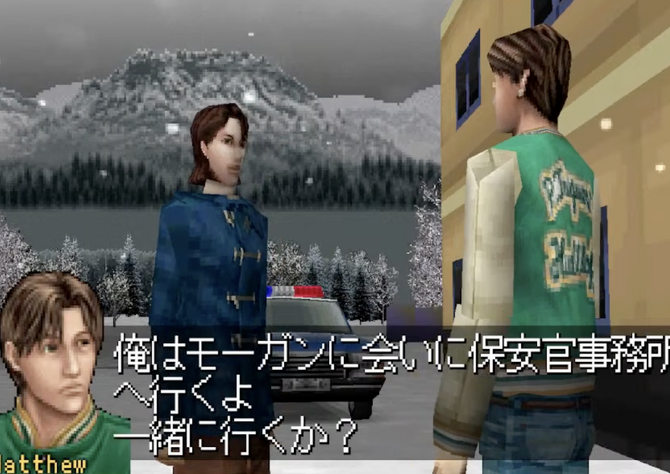
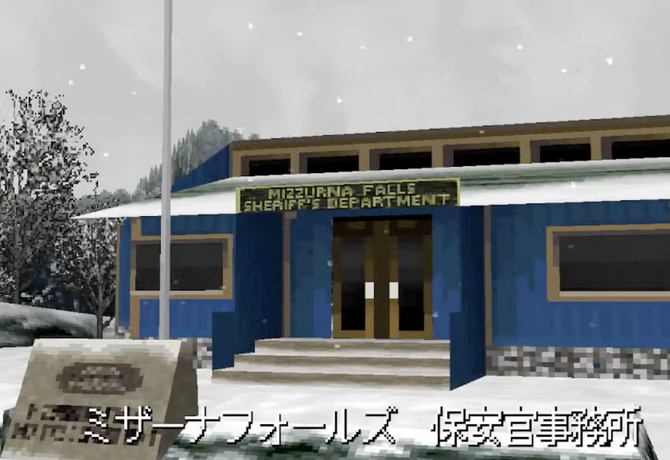
I met up with “Winona”—Emma’s best friend and also a friend of Matthew’s—and headed to the Mizana Falls Sheriff’s Office. Up to this point, I still couldn’t move around freely.
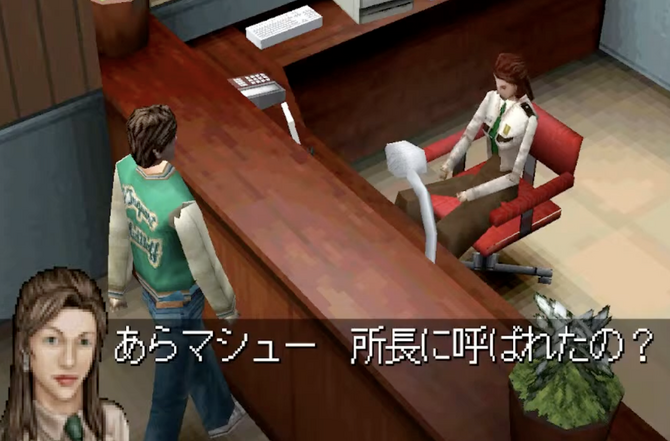
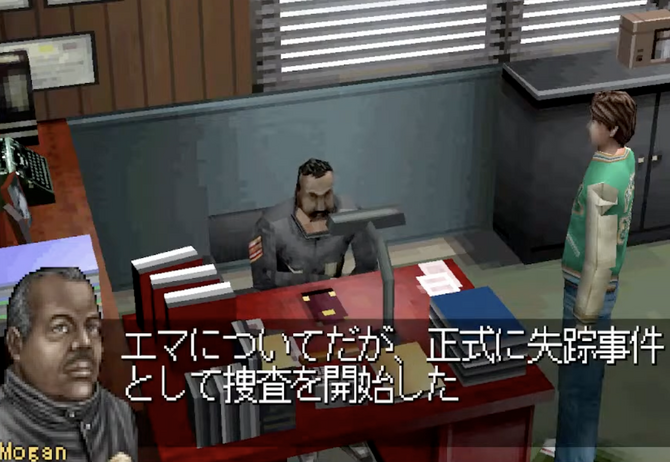
We’re greeted by the deputy, “Mary Lou Lang.” We’re led to the back, where we meet Morgan again and are informed that a formal investigation into the disappearance has begun.
I also ask Morgan about the “strange thing regarding Kathy” that he had suddenly let slip, but for some reason, he refuses to answer and advises me to step back from the investigation moving forward.
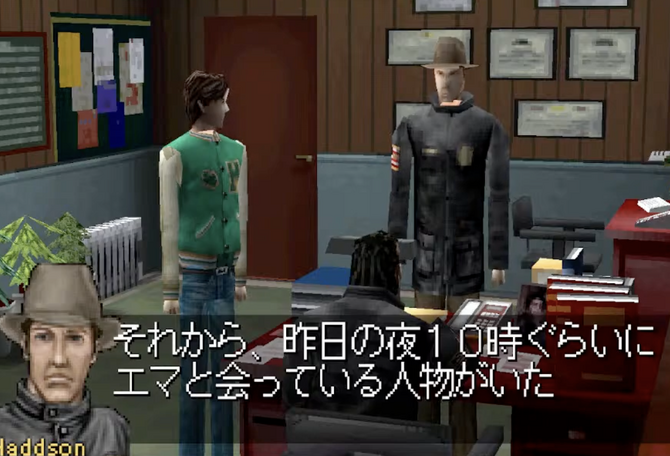
Just then, Morgan’s trusted partner, Sheriff “Hudson,” arrived. He said that someone had spotted Emma around 10:00 p.m. the previous night.
The person’s name is “Mel Astin.” Upon hearing that name, Matthew reacts instinctively. That’s because Mel is the town’s notorious troublemaker—and a man with whom Matthew has a very strained relationship.
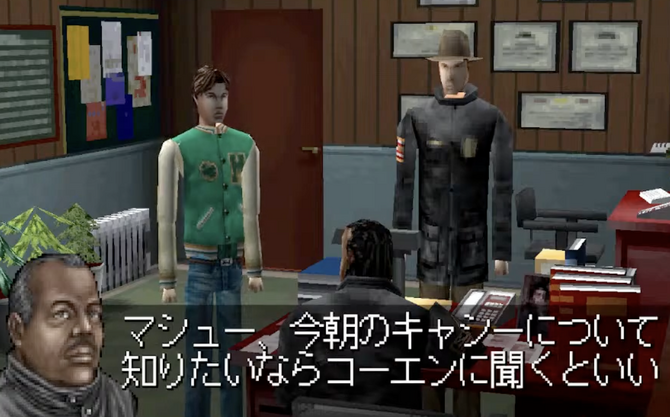
Unwilling to let the matter rest, Matthew resolves to investigate the case on his own. First, following Morgan’s advice, he decides to go see “Cohen,” the caretaker of Barlow Forest, to ask about Kathy.
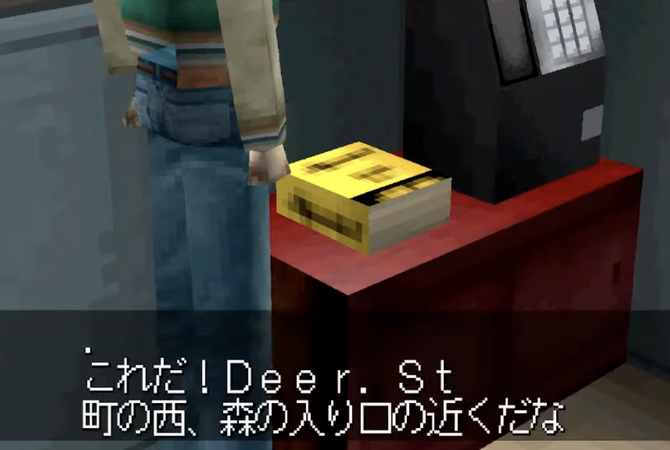
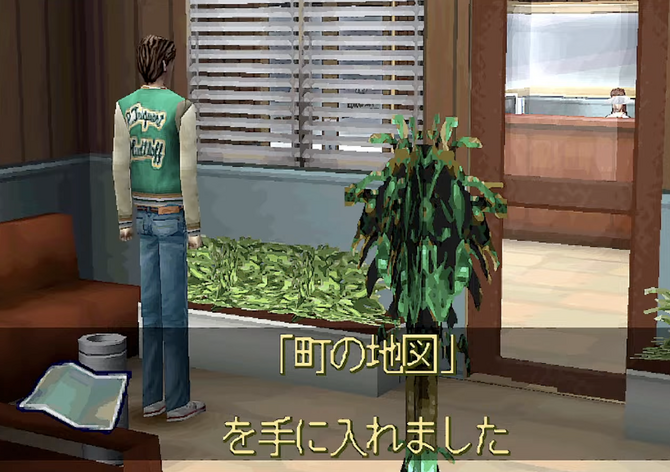
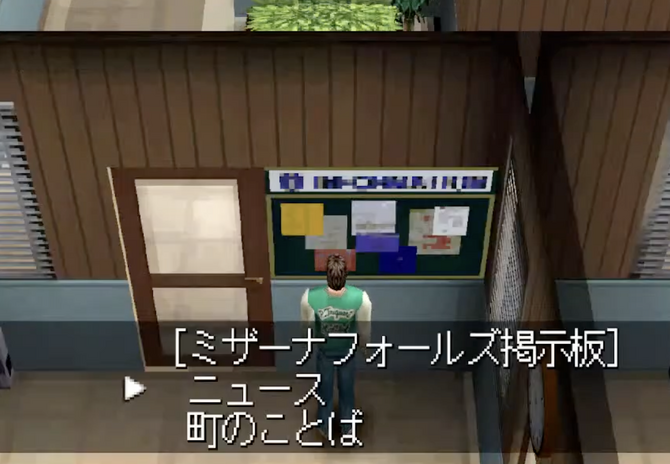
Before leaving the office, he picks up a “town map” and checks the Yellow Pages to confirm Cohen’s location. He also checks the bulletin board and learns that a town meeting is scheduled to take place at the church starting at 1:00 PM. As will be discussed later, “the times when events occur” are quite important for progressing through the game, so it’s best not to forget this information.
With the prologue over, free exploration and investigation finally begin in earnest from here on out.
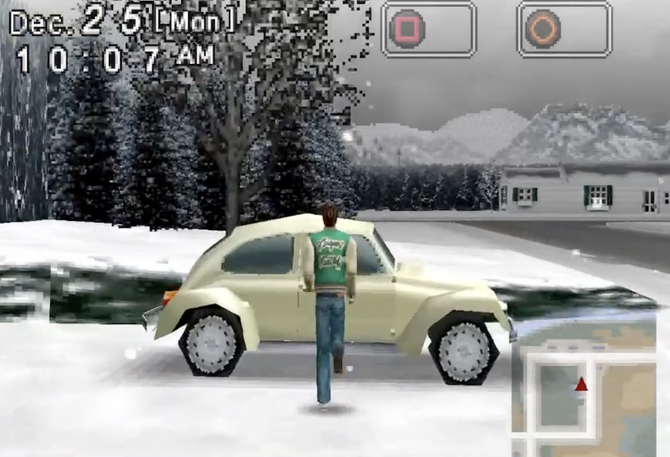
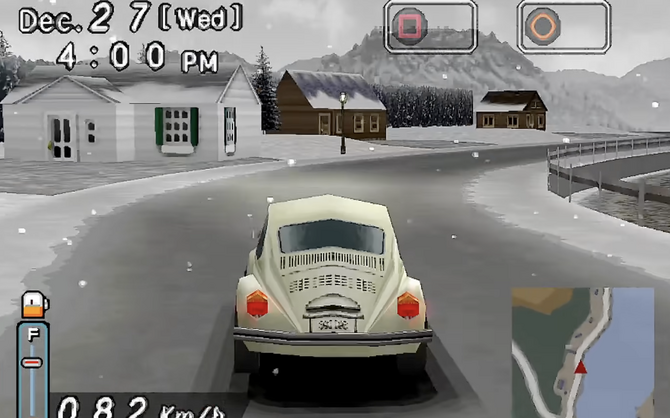
In this game, you can get around on foot or by driving Matthew’s beloved “Beetle.” The controls are as follows: the ◻︎ button accelerates, the × button brakes, and the directional pad steers.
For adventure games of that era, I think the ability to drive yourself around was a unique and novel feature.
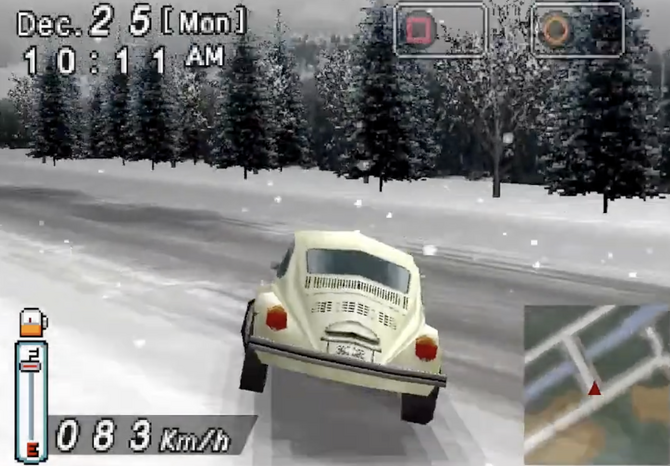
However, when you actually try driving, the controls aren’t very comfortable, the car’s handling feels cheap, and the mechanics aren’t refined. On top of that, it was a common cause of bugs—for example, you might hit an object while turning and get stuck.
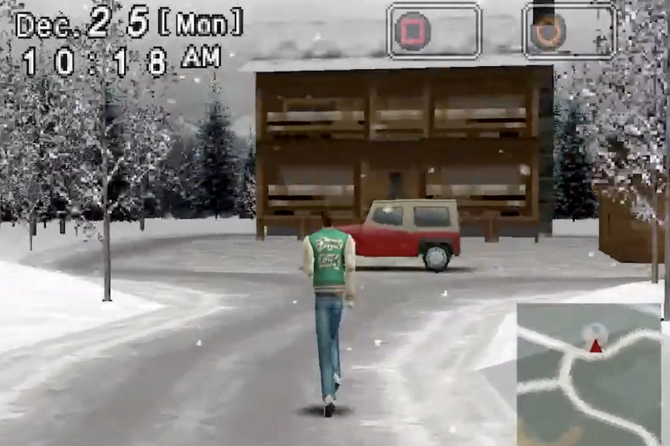
That said, in the world of this game—where “time” is of the essence—it’s a crucial means of transportation.
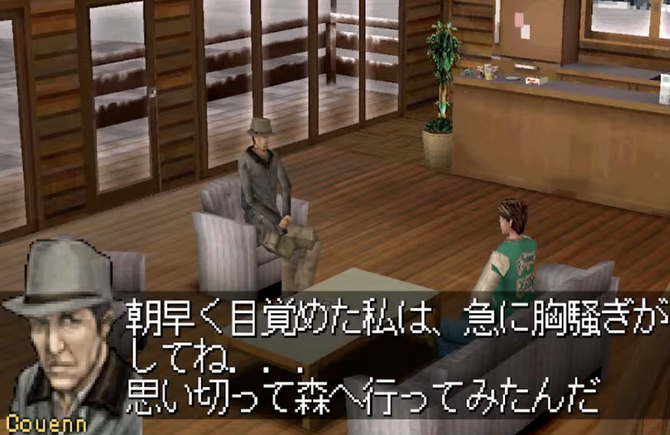
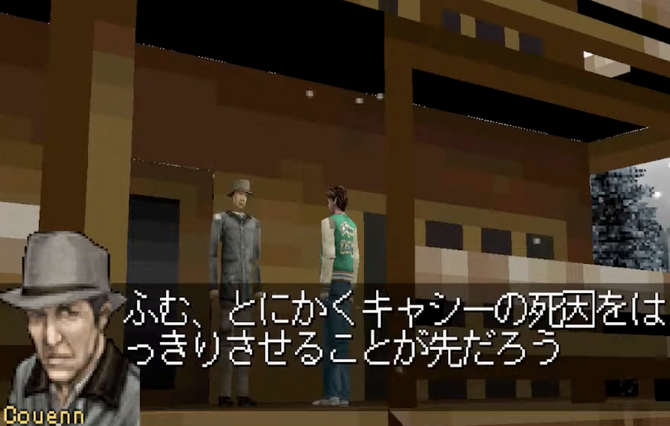
I drove to the lodge of the forest ranger, “Cohen,” and began questioning him. According to him, Kathy was found in front of a large tree, and there were traces of a fire in the surrounding area.
Cohen advised me that I first needed to determine the exact cause of Kathy’s death, so I decided to return to the hospital.
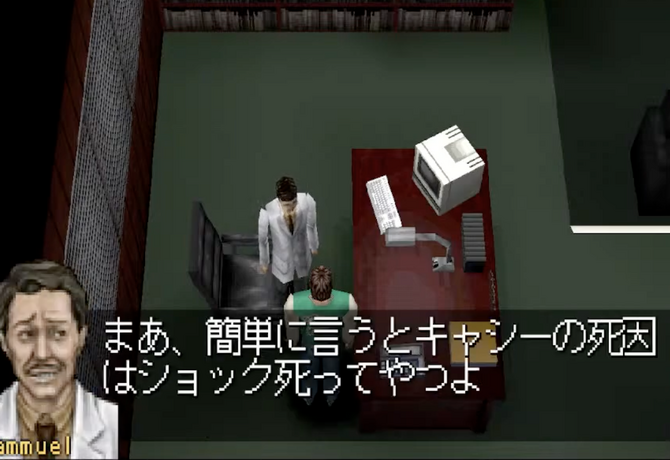
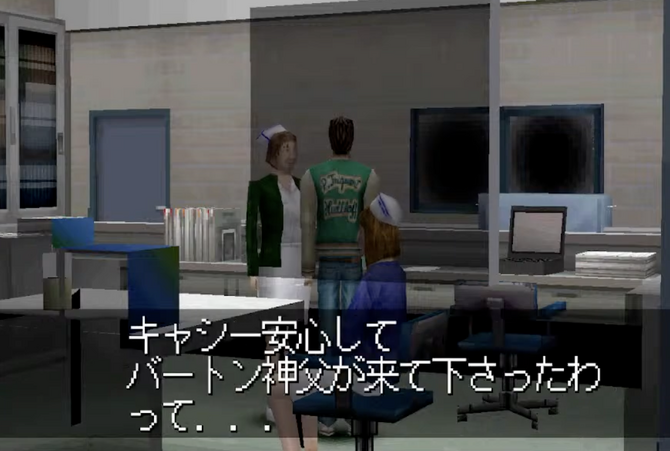
At the hospital, when I pressed Director Samuel about Cathy’s “true cause of death,” it turned out there was actually “a possibility she died of shock.” After questioning the head nurse who was at the scene at the time in detail, it became clear that the moment she told Cathy, “Father Burton has arrived,” Cathy’s demeanor changed abruptly.
But wait—Father Burton was practically a father figure who raised Kathy, an orphan. Yet the fact that she seemed to panic the moment Burton arrived raises new suspicions and mysteries.
The thrill—or rather, the sheer enjoyment—of this experience comes from the fact that the player is actively working to solve the case with their own hands.
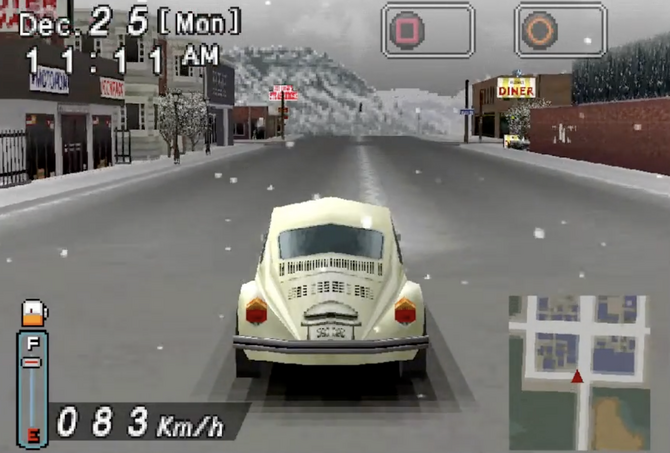
Now, as mentioned at the beginning, this game is set in a fictional rural town located near the Rocky Mountains in Colorado, USA.
The town is dotted with facilities such as diners, bars, churches, schools, and hospitals, while the outskirts feature forests, lakes, farms, and other diverse locations all connected by roads—truly an open-world environment that could be described as a vast “miniature landscape.”
That said, actually driving all the way around the town takes a long time, and since the scenery doesn’t change much, it’s easy to get lost.
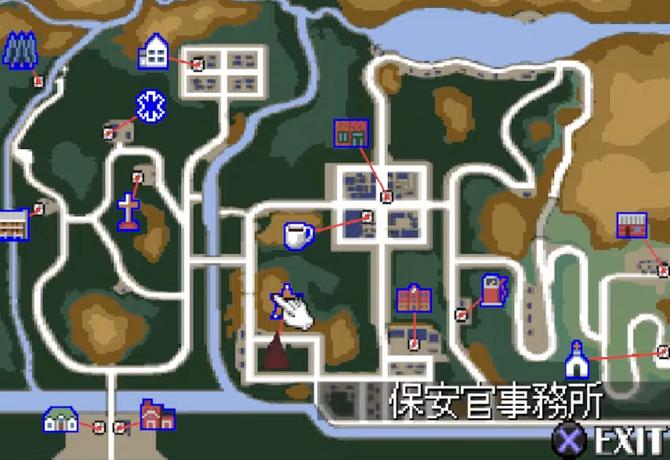
That’s where the “map feature” comes in. Unusually for its time, this game includes a map of the entire town, but not all facility names are displayed from the start.
The game is designed so that as players gather information—by checking the phone book at the sheriff’s office or actually visiting those locations—the names and locations of facilities are gradually revealed.
By making good use of the map, you’ll get lost less often and be able to continue your investigation efficiently.
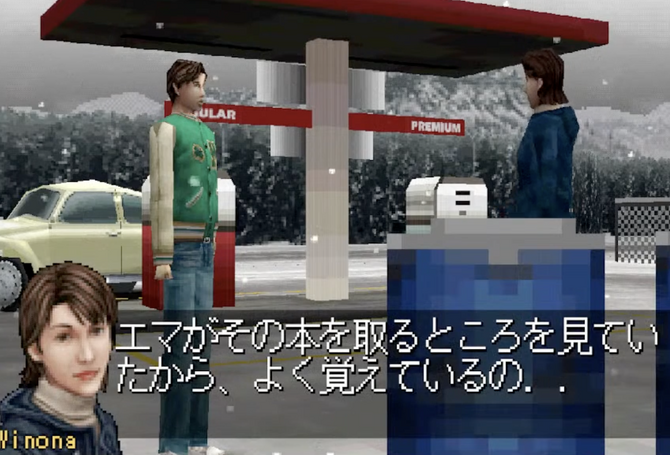
And the current time is just past 11:00 a.m. There’s still a little bit of time left before the church service. Now, how should I spend it…?
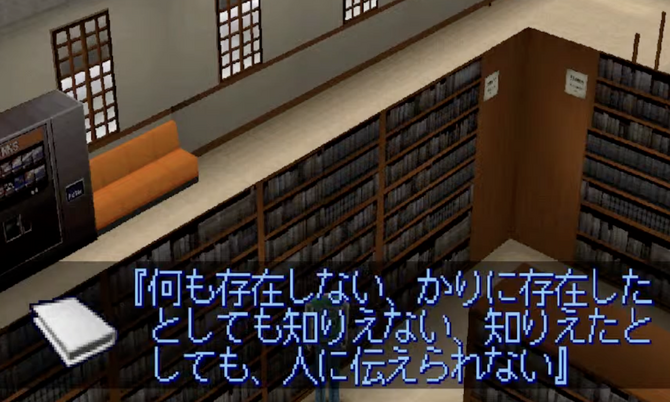
In this game, the systems of “time management” and “residents’ independent actions (daily lives)” are just as important as free exploration.
For example, as mentioned earlier, when you have time before a main event, it’s wise to try to find even the slightest lead—such as getting clues about Emma from Winona, heading to the school library to look for the “strange philosophy book” she was reading right before her disappearance, or gathering information from her father, Mayor Steve, at Emma’s home.
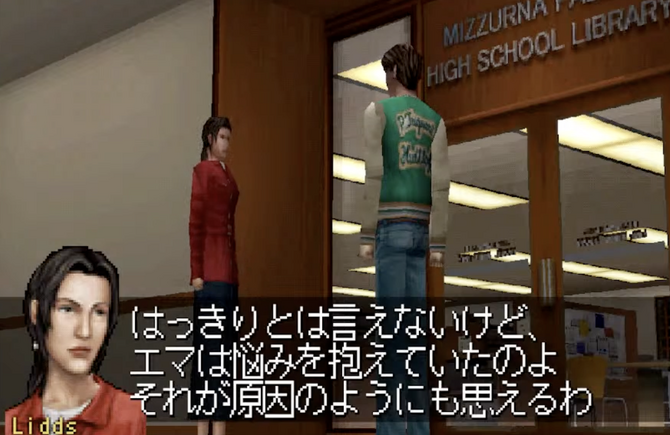
Of course, you can also chat with Lorraine at the “Diner,” which at first glance seems completely unrelated, or let your curiosity guide you to the “Boathouse” at the northernmost tip of town to enjoy some whitewater rafting. All actions are entirely up to the player.
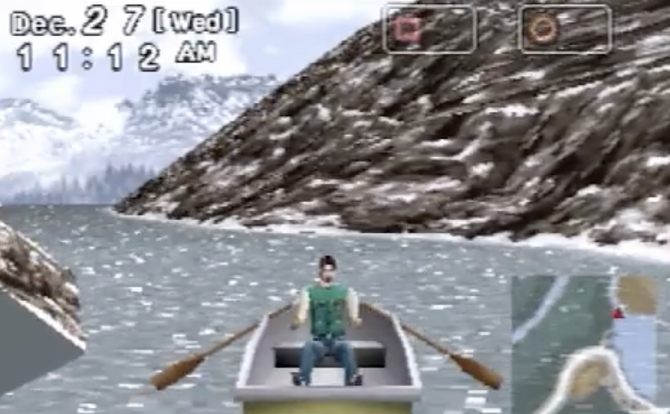
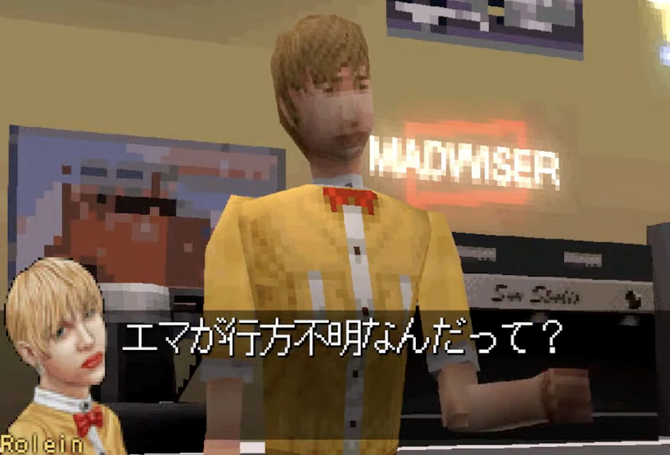
However, the game is designed so that for every 10 seconds in real time, one minute of in-game time passes, making the gameplay feel quite fast-paced.
Be careful not to get too carried away with side trips, as you might miss event times and face irreversible consequences.
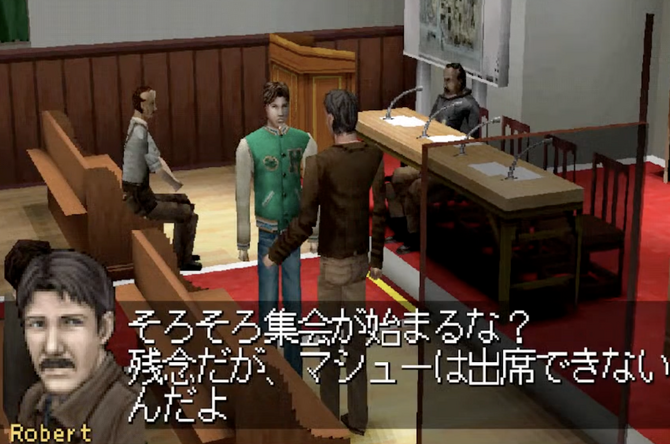
In addition to the strict time limits, the townspeople go about their lives according to their individual schedules, and important conversations and events occur at specific times, so you’ll need to plan the order of your investigations yourself.
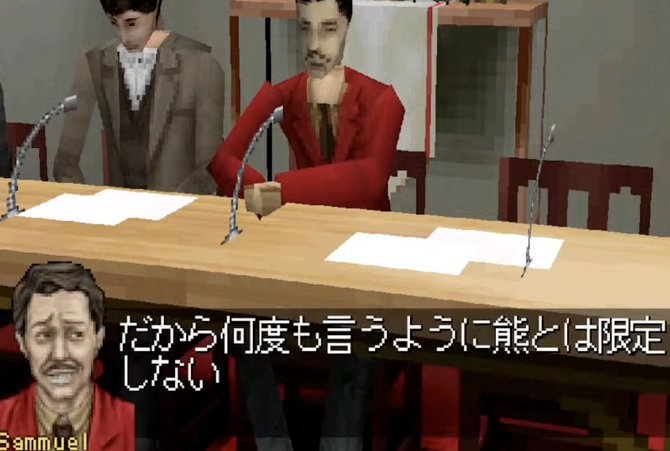
For example, I felt this most acutely when I arrived before the meeting that starts at 1:00 PM—if you do, you can speak with Burton, Samuel, and Cohen individually.
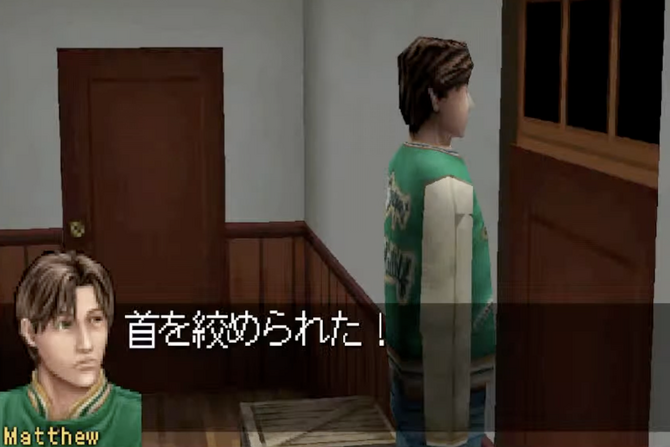
Once the meeting begins, Matthew is escorted out by the sheriff, but you can move a crate from the hallway in front of the door and stand on top of it to eavesdrop on the conversation inside.
What was revealed there was the shocking fact that there were marks on Kathy’s neck that looked like she had been strangled. The possibility that a human was involved in the incident—which had been thought to be a bear attack—has emerged, and the mystery only deepens.
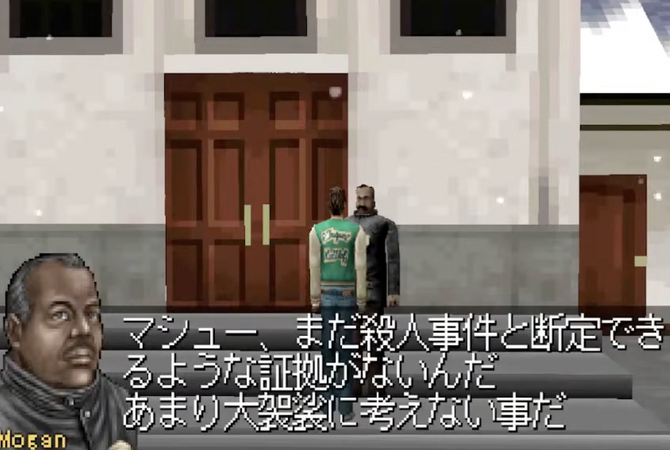
If you don’t go anywhere else after this and simply “wait it out” until the meeting ends around 1:40 p.m., you can elicit new information from Morgan about the facts that came to light during the meeting.
Since the residents act according to their own daily schedules, time in the town continues to move forward regardless of how the protagonist, Matthew, chooses to spend his time.
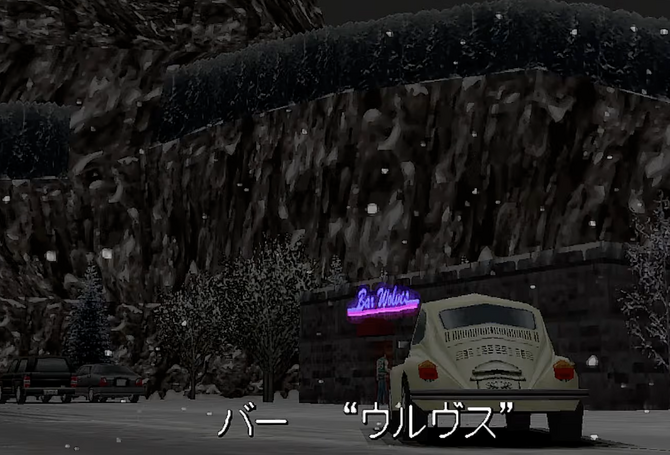
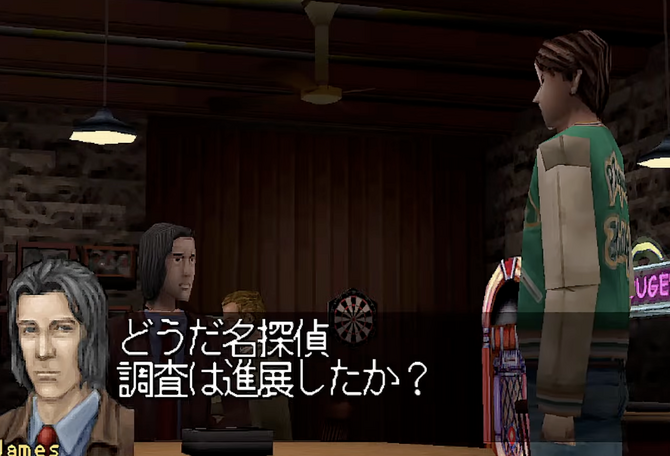
In addition, psychiatrist James really does come to the bar for a drink at 8:00 p.m., so you can talk to him. Conversely, you won’t be able to meet him unless you go to the hospital outside of the evening hours.
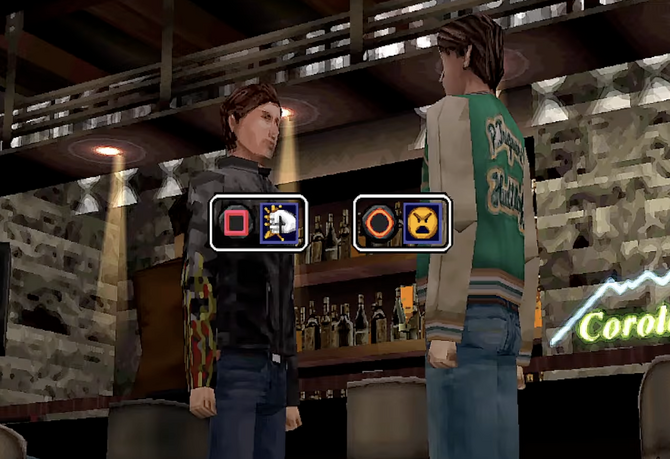
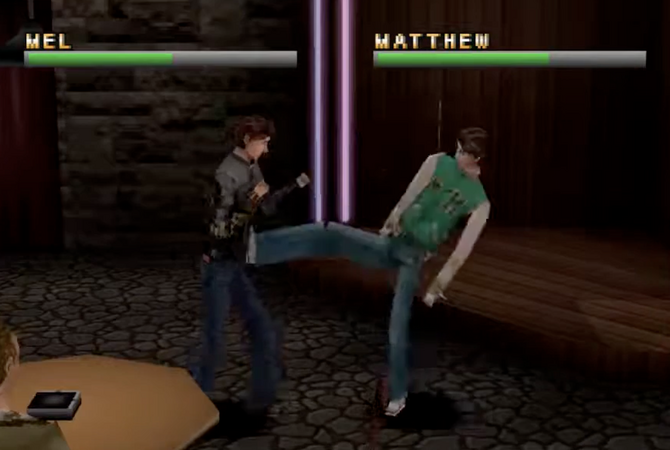
And it’s not just James—Mel, a delinquent high school student who’s a regular at the bar, also follows his own routine and shows up at “Wolves” every night.
At the bar, Matthew and Mel get into a heated argument over Emma’s whereabouts. Depending on the player’s choices, this can escalate into a real fight, triggering a *Tekken*-style fighting match!
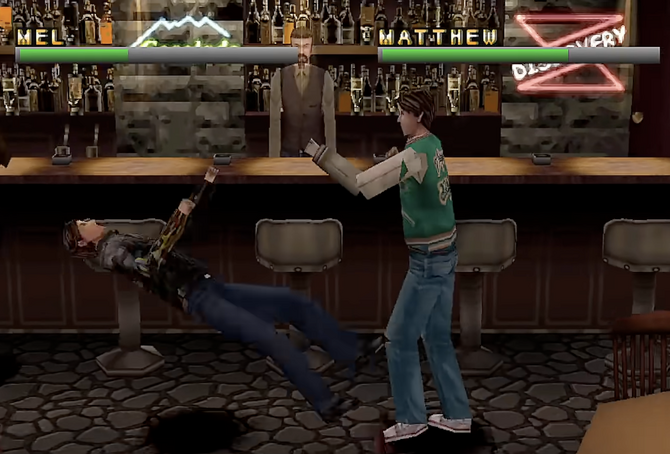
With punches, kicks, crouch dodges, and dash attacks, the combat is surprisingly authentic—though Mel is shockingly weak, so you can usually beat him easily. By the way, if you happen to lose, it’s game over immediately.
This scene is undoubtedly one of the highlights of the first day of the investigation.
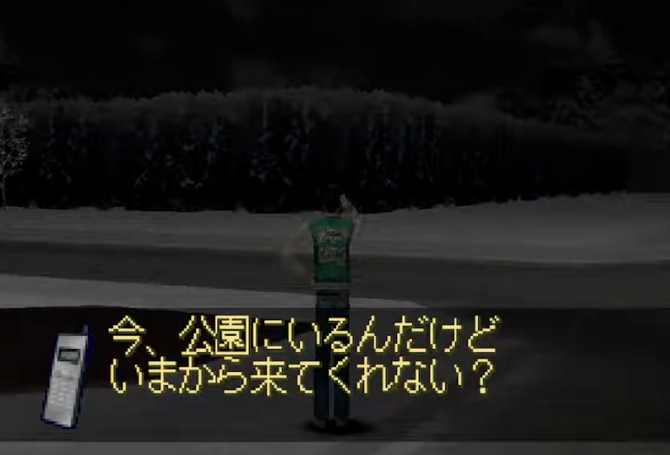
Then, the final event of the first day takes place. At 10:00 p.m., Winona calls Matthew’s cell phone and summons him to Riverside Park.
What did Winona want to tell him at this hour? And how will Matthew’s investigation unfold? The story continues with developments you won’t want to miss.
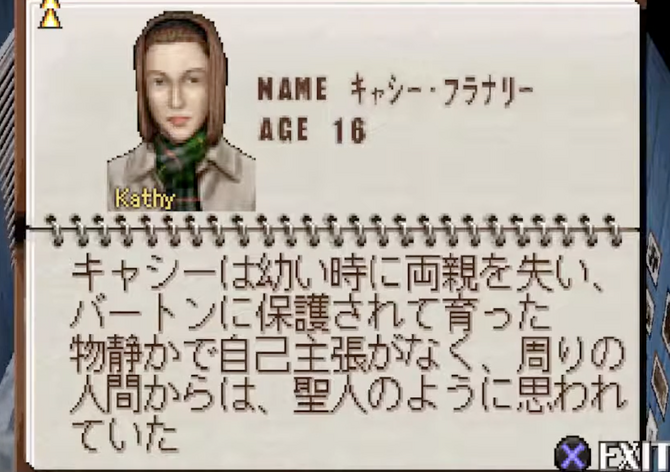
By the way, you can obtain the “System Planner” at Matthew’s home. It’s a handy tool that updates information on characters you’ve encountered in the game—whether you’ve learned their names or actually met them—as you progress, and you can view it at any time.
You can even check the profile of the late Kathy, and it’s great to see previously unknown details about her, such as her face and personality.
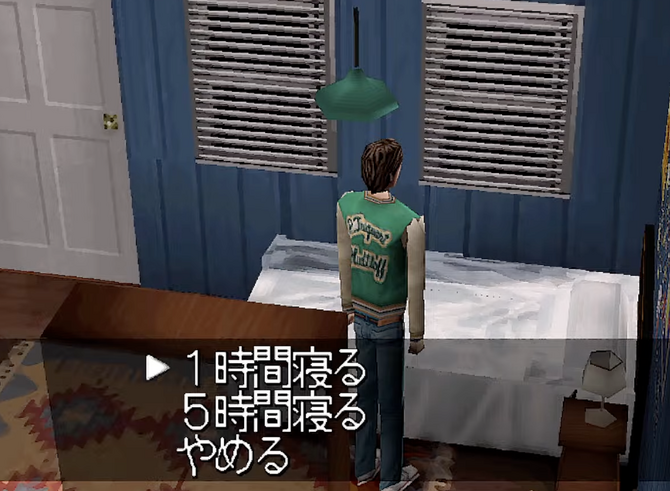
Also, at Matthew’s house, you can save your game by sleeping in his bed. However, saving causes in-game time to advance—a major limitation—so you’ll need to choose your moments carefully or you’ll run into trouble.
These minor rough edges in the system were one of the game’s drawbacks.
However, as we’ve seen so far, it’s interesting how “how to use your time” becomes a crucial decision for solving the case right from the very first day.
It’s clear that the game blends the freedom of an open-world exploration of a vast town with a time-limited detective adventure.
Simply wandering around the town won’t solve the case; you must understand the residents’ daily lives and schedules and search for clues that lead to the truth.
Isn’t this dynamic mechanic—using the entire town to investigate a case—a unique feature of this game that sets it apart from other open-world titles?
◆A Pioneering, Unfinished Yet Charming Open-World Game
Overall, *Mizana Falls* was a truly promising title that combined an original game system with numerous shortcomings.
That said, the authentic adventure experience—exploring the vast town by car and observing the residents’ daily lives while getting closer to the truth of the case—was truly groundbreaking for a PS1 title. In particular, the system featuring daily schedules for each character and the seven-day investigation deadline still feels fresh today.
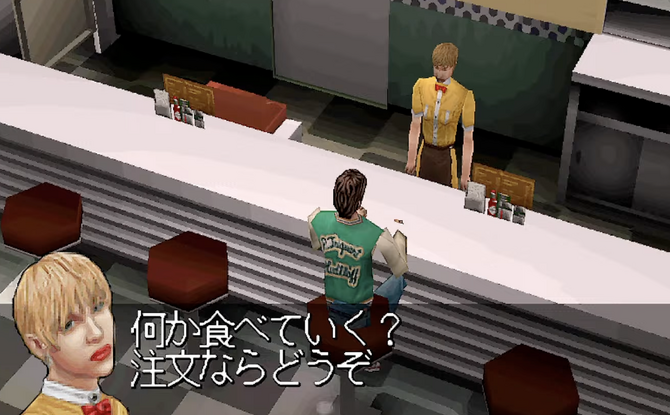
Furthermore, the game’s unique charm lies in the fact that the player must plan their own schedule—whether wrapping up interviews to make it to a church meeting on time or lying in wait for a key figure at a bar at night—and that understanding the town’s layout and the residents’ daily lives becomes the very means of solving the case.
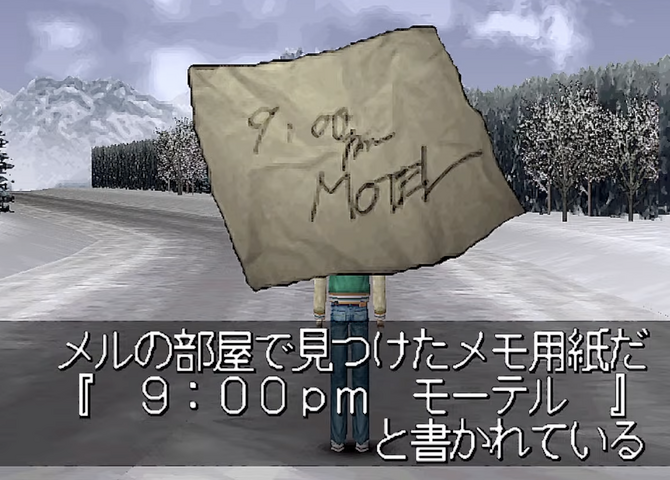
On the other hand, there are still issues with the game’s overall polish, such as confusing event triggers, unintuitive controls, save restrictions, and numerous bugs. It’s not uncommon for the investigation to hit a dead end after missing a crucial event, and there are many instances where you can’t fully enjoy the freedom of exploration.
Nevertheless, I want to commend this game for designing the open world not merely as a free playground, but as a mystery game set across the entire town.
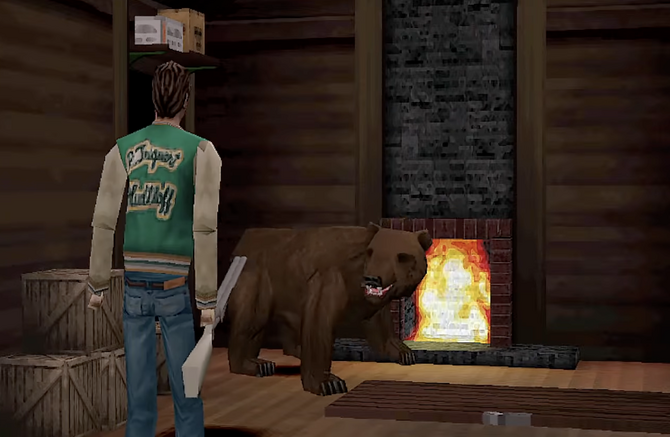
Preceding titles like *GTA III* and *Shenmue*, the challenge and achievement of closely intertwining the residents’ daily lives with the progression of the story are, I believe, still worthy of reevaluation in the history of gaming today.



