


Tom Giardino and Marc Wilkinson, members of Valve’s Steam Business Team, attended the “Steam Indie Connect” developer event held in South Korea on October 27. According to a report by the international media outlet INVEN, they shared their views on issues such as AI slops at the event.
Noting that imitation of popular titles has long been an issue, they offered advice on countermeasures
At this event, presentations were given to developers on topics such as selling and promoting their games on Steam, and Valve representatives answered questions from Korean developers.
During the Q&A session, a questioner reported an incident in which someone demanded money or goods from a developer by threatening to “release an AI-generated clone game first” and asked if Steam had any protective measures in place.
Regarding these extortion cases, there have been recent reports of developers both in Japan and abroad complaining of such incidents. In Japan, the developer of *Dragon’s Chronicles: Reginleif of the Twin Stars* revealed that they had been threatened with the demand, “Pay $200 worth of Steam items, or we won’t release the clone.”(In that case, however, the incident actually served as free publicity, leading to an increase in the number of wishlist additions.)


Mr. Giardino expressed regret, stating that this was the first time he had heard of such a case. On the other hand, he noted that while the practice of creating similar works after seeing an interesting concept has existed for some time, AI has accelerated that process. As a countermeasure, he stated that interacting with players and building trust and a unique identity as a developer serves as the first line of defense.
However, he noted that building relationships takes time and is not sufficient on its own; continuously improving the game is also crucial.Citing Valve’s approach to anti-piracy—which aims to make the official version the best possible—Mr. Giardino advised against relying solely on mechanisms that are easy to copy. Instead, he recommended that developers continue to grow their games by incorporating features, personality, and creativity born from their own unique perspectives.
Regarding acts of intimidation, while expressing the view that this is an issue better handled by law enforcement agencies rather than game platforms, he called on Valve to report such cases to them. He stated that they would investigate them in detail based on these reports and provide support wherever possible.
Prioritizing the Purchase Experience Over Market Access Restrictions
During the event, another developer pointed out that there had been complaints about the high number of low-quality AI-generated games—so-called “AI slop”—at the Steam Next Fest, and asked Valve about its awareness of the issue and what measures it was taking.
In response, Mr. Wilkinson explained the event’s display structure: games are displayed randomly for the first two days, after which a recommendation feature based on player preferences becomes active. While the aim is to provide fair exposure opportunities for all participating titles, he acknowledged the issue of low-quality games appearing in the feed and noted that many staff members are exploring solutions.
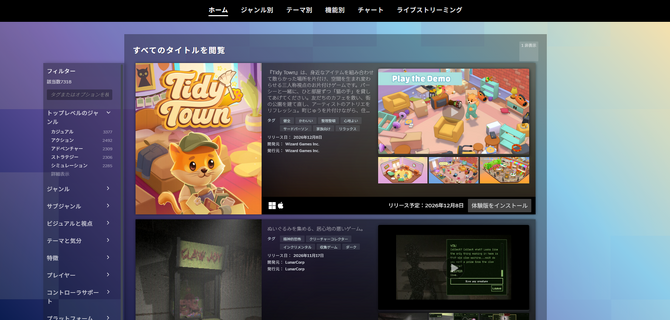
Mr. Giardino also reflected that, when Steam Greenlight and Steam Direct were introduced, there were requests to hide games that appeared through those channels.
Nevertheless, Valve noted that rather than excluding developers or pre-screening titles for quality, it has chosen to focus on improving the purchasing experience on the store. While acknowledging there is plenty of room for improvement, the company’s fundamental stance is to make Steam a smarter and more flexible platform rather than restricting developer access.
This policy of keeping the doors wide open to developers also supports opportunities for individuals and small teams to bring their creations to the world.
On the other hand, as the number of releases on Steam continues to rise, there have been calls since as early as 2017 for the platform’s operators to address issues such as quality control.Amid growing concerns about AI-generated plagiarism and low-quality titles, this advisory outlined countermeasures developers can take; however, all eyes are on Valve’s future stance to see if it will take concrete steps to address these issues.


