


In this milestone year marking the 40th anniversary of the *Castlevania* series, the long-awaited all-new 2D exploration action game *Castlevania: Belmont’s Curse* will be released on October 15, 2026.Supported platforms include PS5, XBOX Series X|S / XBOX on PC, PC (Steam), and Nintendo Switch. Details regarding early purchase bonuses, pre-order bonuses, and the Midnight Edition have also been revealed on the official website.
Excluding remakes, re-releases, and collaboration titles, this marks the first completely new mainline title for home consoles in 12 years, following the 2014 release of *Castlevania: Lords of Shadow 2*.Just the fact that this long silence is being broken and the main storyline of the Belmonts—which fans have been eagerly awaiting—is set to resume is enough to make my heart race.
As of the time of this writing (September 30), 97% of the 156,569 Steam reviews rate the game as “Recommended,” making it “Overwhelmingly Positive,”Evil Empire and Motion Twin—the developers behind *Dead Cells*, which won “Best Action Game” at *The Game Awards 2018*—are participating as co-developers on this title. The production of the additional DLC *Return to Castlevania* served as the catalyst for this powerhouse collaboration with KONAMI.
Our magazine has previously covered the press preview event and interviews with the development team, but this time we’re finally diving into the main game.
Note: For the purposes of writing this article, I received a Steam key from the developer and played the game. Please be aware that this article contains spoilers regarding the midpoint of the story and certain narrative elements. This review is based on having played for approximately 20 hours and having achieved one of the three available endings.

Armed with the traditional “whip,” the new “Tarot” weapon, and the “whip action” that lets you dash freely in all directions, this is the story of a new Belmont soaring through the pitch-black streets of Paris.The satisfying, substantial combat and meticulous map exploration truly reinforced, through my play experience, that this is a new installment in the long-standing Castlevania series.
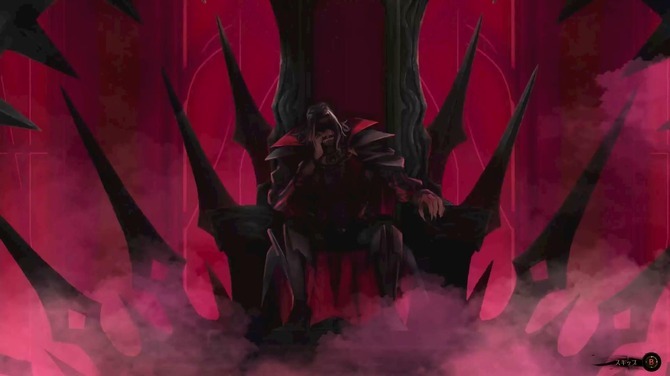
The fate of the bloodline borne by the female protagonist, Rose
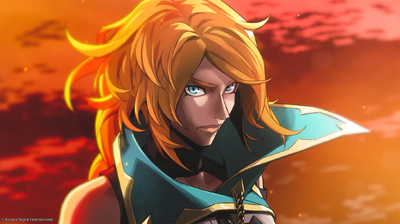
The story begins in 1499, in the streets of Paris, France, shrouded in twilight and flames.Set 23 years after the events of *Castlevania: The Legend*, the story centers on Rose Belmont, the daughter of Trevor (Ralph C. Belmont)—the hero who once defeated the vampires—and Cipher Vernandes.
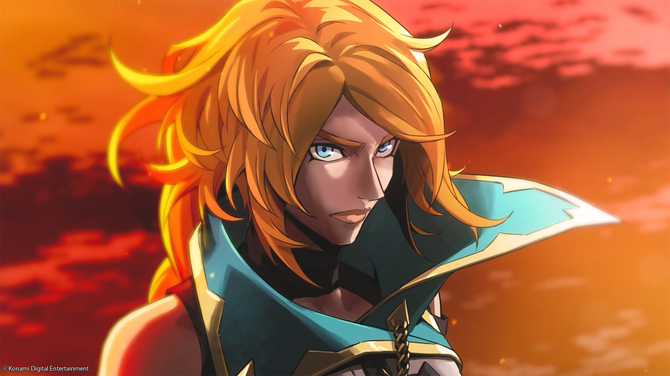
Amid a horrific catastrophe that suddenly strikes the city of Paris, Rose bids farewell to her father, Trevor, and sets out to investigate on her own.Rose strives to stand on her own as a warrior, fighting to overcome the harsh obstacles that stand in her way through her own strength. However, no matter how far apart they are or how harsh their circumstances, the bond between parent and child remains unbreakable.


One of the most striking narrative choices in this title is the decision to make Rose, a woman, the protagonist. In the series’ 40-year history, it is extremely rare for a female character to serve as the sole protagonist as a direct descendant of the Belmont family.
Past heads of the Belmont family, such as Simon and Richter, are strongly associated with the image of “mighty warriors” who confront monsters with their formidable physiques.In contrast, Rose possesses an equal balance of physical demon-slaying power—inherited from her father Trevor as a “Vampire Killer” (the Belmont bloodline)—and magical powers—inherited from her mother Cipher, such as tarot cards and spiritual energy (the Vernandes bloodline).“Rose Belmont” is the embodiment of a new tactical style that gracefully fuses the distinct talents of her parents, rather than relying solely on brute force to break through.
Furthermore, the “curse” deeply etched on Rose’s right arm deserves special attention. This curse is solemnly portrayed as the very embodiment of the Belmont clan’s tragic history—the “long, deadly struggle against Dracula”—from which no generation has been able to escape.
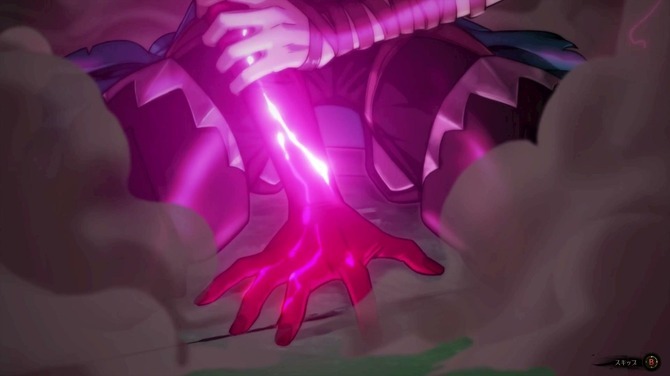
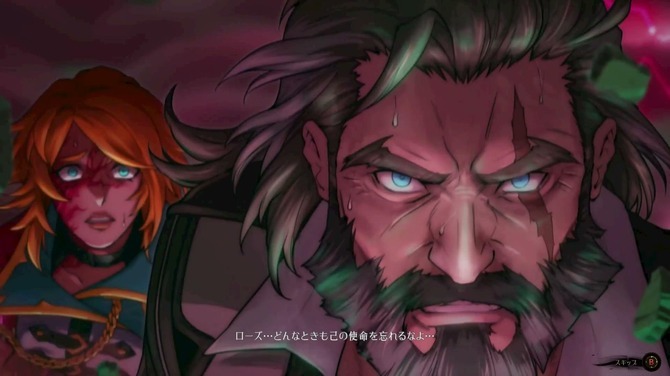
The legacy of her parents’ great light, and the shadow legacy of the blood curse that binds her clan. The story powerfully depicts the journey of a woman burdened by both—a woman who, while agonizing under the pressure and grappling with delicate inner conflicts, faces her destiny with dignified strength.

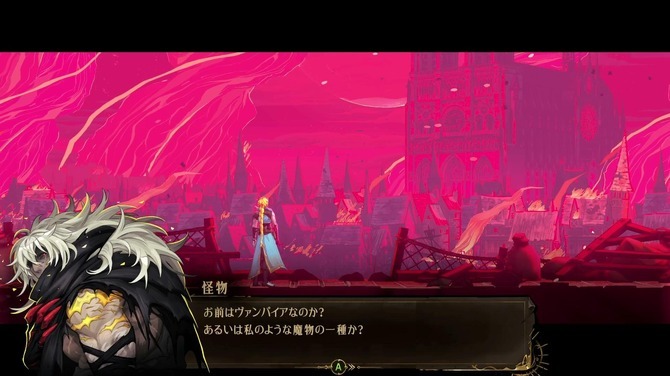
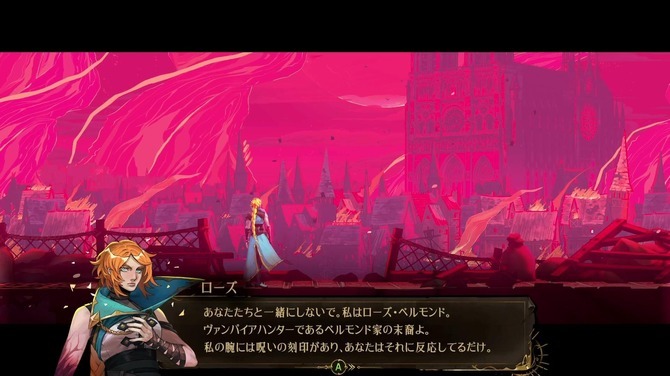
Furthermore, the story intricately weaves together historical heroes such as Joan of Arc, the scheming within the Church, and key figures familiar from previous installments in the series.


Another highlight is that some of the voice actors from the anime adaptation are reprising their roles, and the depth of their voices heightens the tension in the cutscenes to the absolute limit. The world, which fuses the dark history of medieval Europe with gothic fantasy, offers a deeply immersive experience.
“Once you recognize a trap, it becomes a mystery to be solved”—substantial combat awaiting you in complex dungeons
In terms of map design and puzzle mechanics—the most crucial elements for gauging the quality of a Metroidvania—this title delivers a satisfying challenge and meticulous craftsmanship.

In titles from the mid-series onward, the true thrill lay in the catharsis of thoroughly exploring the vast castle grounds to acquire new abilities and expand your range of exploration. While this title faithfully follows that golden formula, the quality of its puzzles has been refined in a more intellectually stimulating direction.
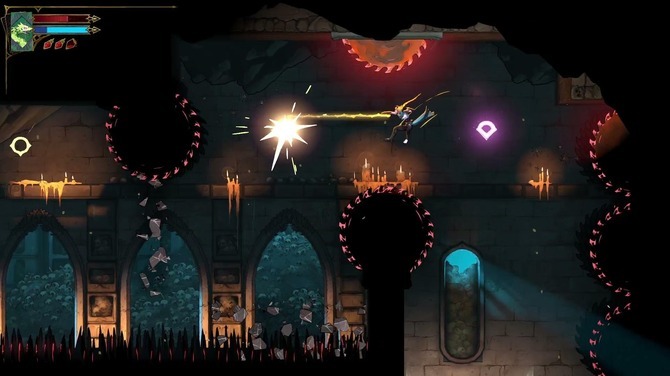
Particularly impressive is the design of the path leading to the boss rooms. It’s not a simple matter of just filling in the map to reach them.To reach the boss in each area, you must gather clues from ghosts lurking throughout the dungeon, carefully observe every detail—including the background—and unravel intricate mechanisms.


Just the act of racking your brain, painstakingly disarming complex mechanisms, and discovering the imposing door behind which the boss awaits is enough to fill you with a sense of accomplishment. The game’s structure allows you to truly embody Trevor and Rose’s philosophy—that “once you recognize a trap, it becomes a puzzle to be solved”—through your own gameplay.It fully encapsulates the true essence of exploration-based action games—using your powers of observation and creativity to carve a path through dark dungeons.

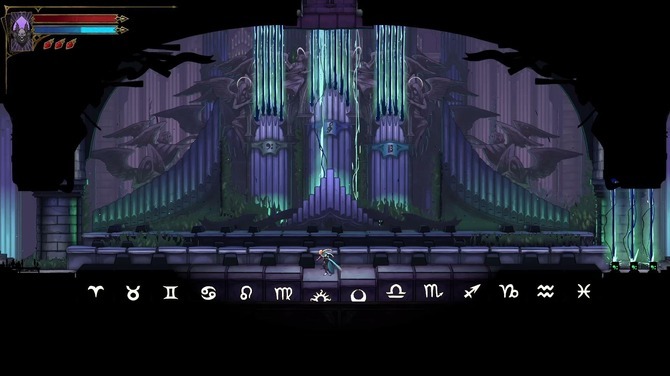
Amid the mounting anticipation and tension, you’ll step into a world where you’ll face a series of ingeniously designed boss battles.
While our previous hands-on article touched on the bosses that stand in your way early in the story, the bosses that appear from the mid-game through the end are by no means easy to defeat. What makes the boss battles in this game so outstanding is that the bosses aren’t just characterized by high attack power and durability—their backgrounds and personalities are directly reflected in their combat styles.
For example, Carmilla, the Sorceress card, summoned the “Blood-Stained Moon,” which grants Dracula eternal life through hematology and the use of “unwilling specimens.” Not only does she launch attacks using blood, but she also inflicts a curse at the start of battle that causes instant death after taking eight hits, regardless of your health.


Isaac, the “Fanatic” card, is the guardian of the Clock Tower. Though he was once defeated by Hector, he has been resurrected and is now utterly devoted to Dracula. With his overwhelming speed and a constantly multiplying army of clones, he challenges you to a high-speed battle that leaves you no time to catch your breath.


“Death,” Dracula’s trusted lieutenant and a staple of the series, also makes an appearance. As expected, he stands as a formidable threat to Rose. When I first saw his massive scythe reaching all the way to the edge of the screen, I couldn’t help but feel a sense of despair.

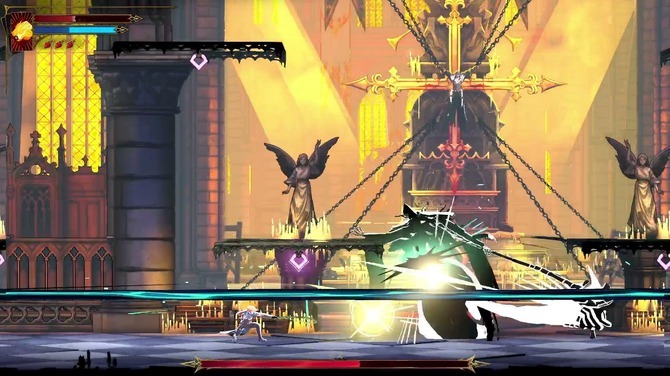

Since each boss’s story is closely intertwined with their unique abilities and combat style, they are designed to leave a lasting impression as formidable foes with striking personalities.
Furthermore, the game thoroughly drills into you the fundamentals of 2D action combat—such as hit-and-run tactics—as well as the ability to read an enemy’s movements to anticipate and dodge their next attack or circle around to their back.The euphoria—like a surge of neurotransmitters—that floods your brain the moment you secure victory through a combination of cold, calculated observation and precise controls is the very essence of a solid, classic action game.
Diverse weapon combos or the whip… Combat styles expanded through builds
The breadth of choices in action mechanics and the resulting fun of building your own playstyle are major pillars of this game.
In past series entries, it became standard practice to switch between a wide variety of weapons to fight, as seen with characters like Alucard and Aozora Kurusu. This tradition is strongly carried forward in this title as well, with a wide range of weapon categories available to acquire along the way.
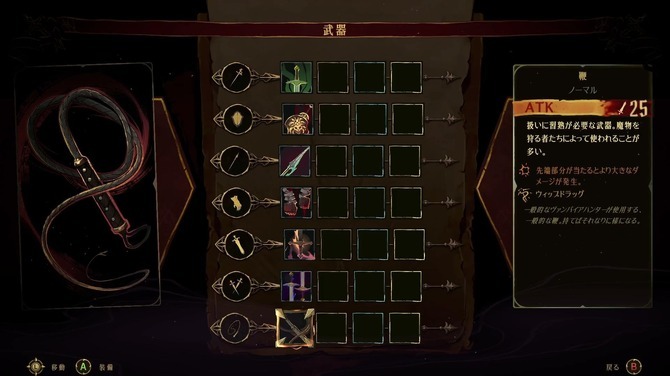
There are seven basic weapon types, and as you progress through the game, you can obtain four tiers of upgraded versions for each. Each weapon boasts diverse capabilities: for example, you can use a spear to impale distant enemies from a safe range, or switch to dual swords to unleash exhilarating combos with high-speed consecutive attacks.Just testing the swing speed, reach, and unique moves of each new weapon I acquired made time fly by.


However, even after experimenting with various combat styles by trying out different weapons, as I fought my way through intense battles, I strangely found myself choosing the whip as my main weapon.

Its exquisite horizontal reach, aerial swings, and—above all—the high damage dealt by strikes with the tip. No matter how dazzling the combos I could pull off with other weapons, I’ve come to realize that the true essence of the Belmont clan lies in a single, supple yet powerful swing of this whip.

Anyone who has played the previous games will likely find themselves unable to avoid this phenomenon: after straying to try out various weapons, they eventually return to their roots, drawn back to the whip’s ease of use and the romance it embodies.

Furthermore, the “Arcana System” is central to both exploration and combat in this game. This system involves sealing the souls of defeated bosses into tarot cards and incorporating them as active skills or special abilities—a collection mechanic that evokes the joy of collecting found in *Dance of the Dawn Moon*’s “Tactical Souls.”
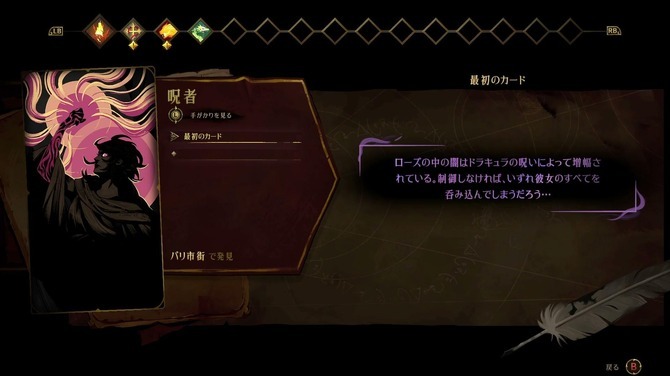
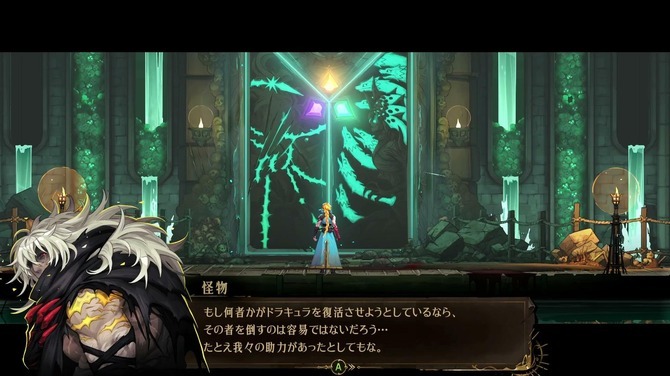
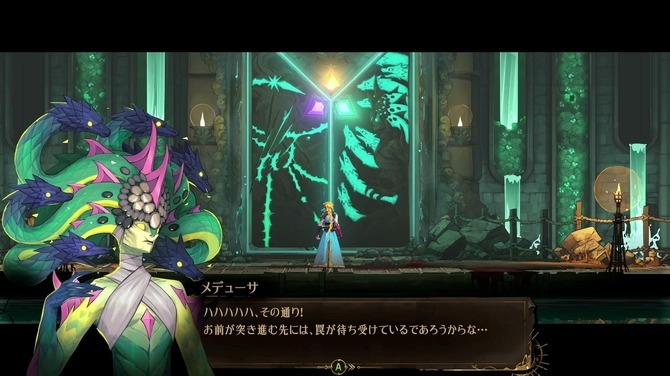
The collected Arcana (Tarot cards) are closely linked to the story. During cutscenes and specific moments, the bosses sealed within the cards appear as spiritual entities in conversations, offering advice—or sometimes sarcasm—regarding Rose’s journey.
Powerful foes whom you once defeated after fierce, blade-to-blade battles now become partners who support the protagonist through the power of the cards. This narrative device fosters a heartwarming sense of teamwork—the feeling that, even though the exploration is a solitary endeavor, you are “fighting alongside your former arch-enemies.”

However, precisely because of this compelling narrative device, a dilemma arises: the phenomenon—a staple of shonen manga—where “former formidable foes tend to become weaker once they join the party.”
You’ll encounter situations where techniques that posed an immense threat when used by a boss are, once available as your own skills, difficult to handle due to long startup frames or tricky to use effectively because of the challenge of managing your distance.Of course, this is largely due to my own lack of skill and experience, but it’s also true that the unique quirks of these abilities can be confusing at first.
In terms of skill-related elements, the game features “Paths of Salvation,” which allow you to power up individual cards or grant them powerful additional effects by fulfilling specific conditions, as well as “Magical Devices,” which, when equipped, boost stats or assist with exploration.
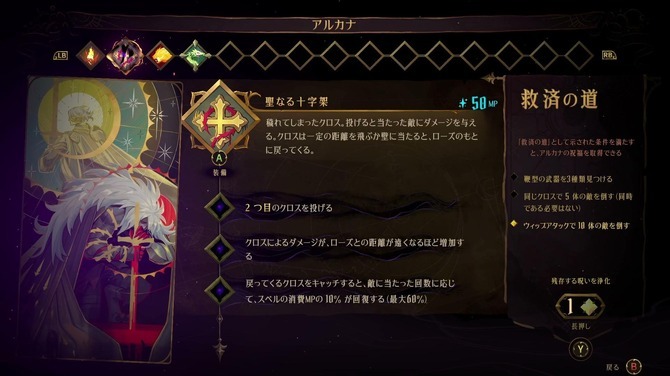
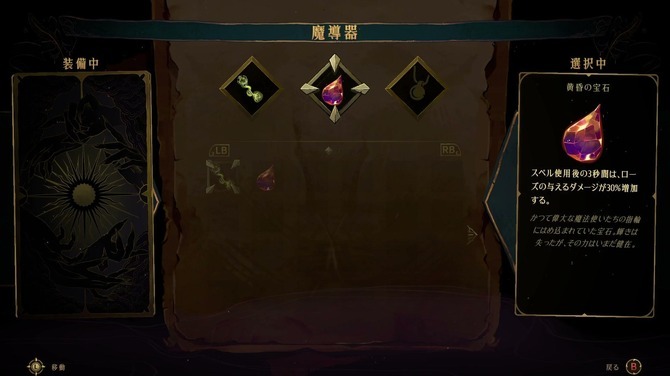
While these are primarily intended to help players build characters tailored to specific combat styles—such as melee or magic—they also serve as a sort of safety net to compensate for any shortcomings in your gameplay skills.
If you find yourself struggling with specific weapons or Arcana skills, try incorporating them into your combat strategy by practicing steadily in battles against weaker enemies before adjusting the difficulty settings in the menu. It is precisely this process of trial and error that aligns with your own growth as a player and leads to a deep sense of accomplishment.
The Thrill of Soaring Through the Air and Hard-Hitting Action
The “whip action”—one of the key elements defining the game’s feel—plays a major role as the cornerstone of stylish combat that makes full use of the screen.
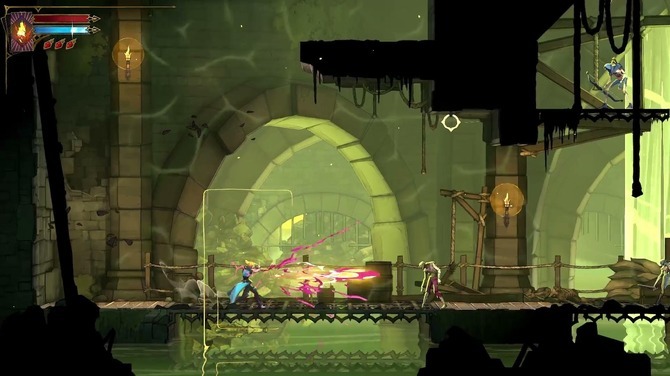
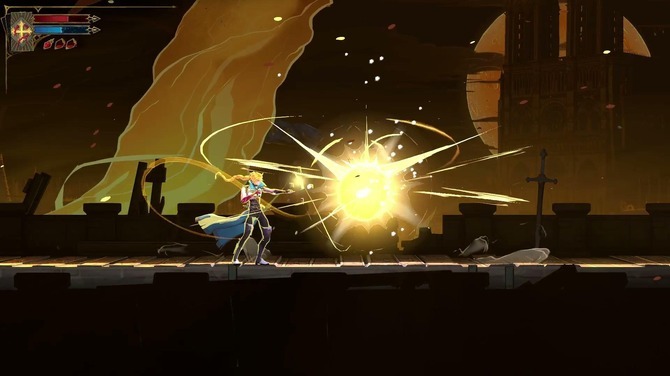
While reminiscent of the “hook-based pendulum movement” from the Super Famicom version of *Castlevania*, it has been refined into a modern, sophisticated action mechanic.By hooking your whip onto rings suspended in midair or on high walls, you can jump while tracing wide arcs or float instantly into the air, allowing for smooth transitions into three-dimensional movement.
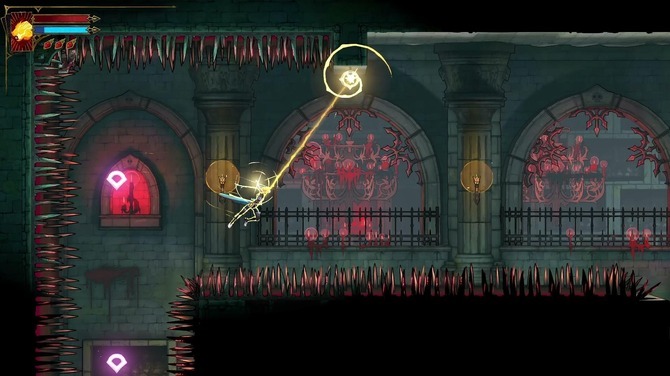
Furthermore, the game’s combat depth is greatly expanded by action combinations—such as landing a powerful strike by pressing the attack button at just the right moment as you latch onto an enemy to close the distance. Combined with the nimble controls inherited from *Dead Cells*, the game possesses an addictive quality that makes it impossible to put down once you get the hang of it.
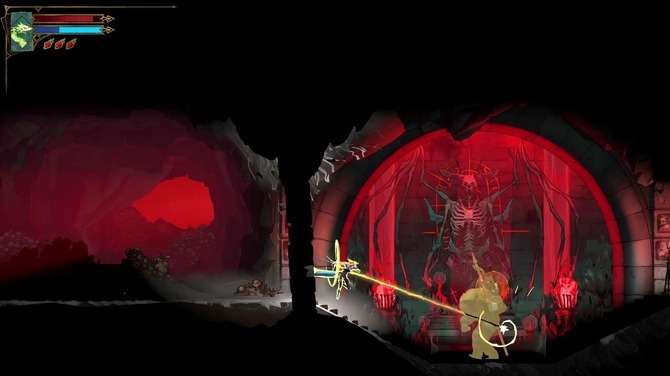
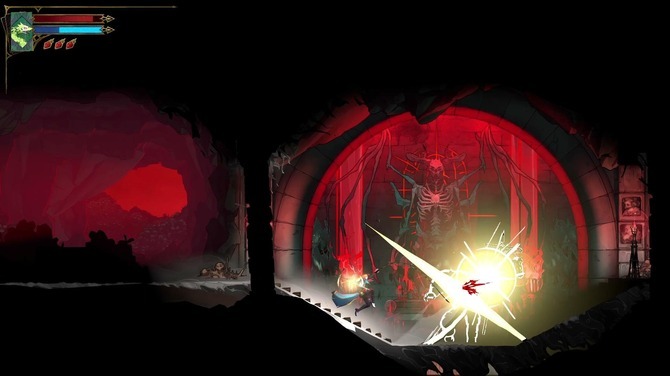
However, just because the controls are responsive doesn’t mean the game itself is easy. The combat feels relentlessly challenging, and a constant sense of tension builds as even the slightest lapse in strategy can have you cornered in an instant.
Not just bosses—enemy attacks are all set to deal high damage. If you simply spam buttons recklessly without analyzing the enemy’s attack patterns, your health will be whittled away in the blink of an eye, and you’ll be defeated.The game constantly demands precise tactics: watching the enemy’s wind-up movements closely to parry at the exact right moment, combining that with dodges via sliding or backstepping, and launching a surprise attack during the brief opening that results.

And yet, the game is completely free of the kind of unfairness where you might feel, “The on-screen display and the actual hit detection don’t match up—I’m not buying it.” I felt that the process of intuitively learning this style of combat makes it the perfect “introduction” for anyone new to the *Castlevania* series or exploration-based action games.
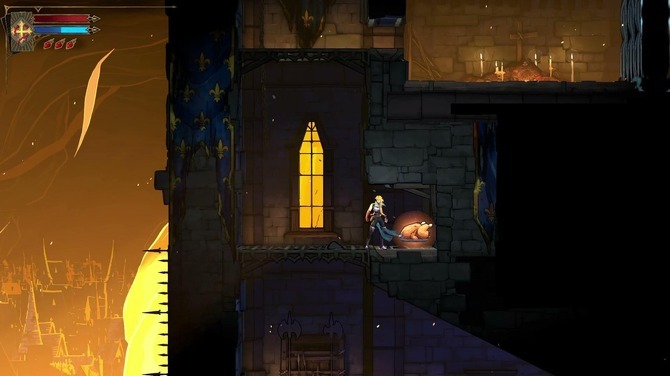
Even if you do get defeated, you can retry from the checkpoint where you last saved. Checkpoints located near boss rooms are designed to allow for a relatively safe return, so if you carefully review your route before retrying, the game’s pace won’t be disrupted.

The difficulty is balanced in such a way that, after repeated attempts, a positive fighting spirit—the determination to say, “Next time, I’ll definitely time my attacks perfectly and defeat it”—naturally wells up within you.
Gothic Art and Modern Sound Design Illuminating a Pitch-Black Paris
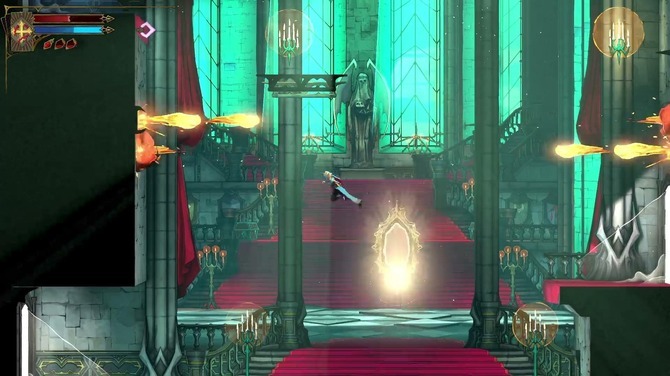
While retaining the aesthetic sensibility for intricate graphics seen in previous titles, modern animations and lighting effects that illuminate the Parisian night elevate the expressive power of 2D action games to new heights.
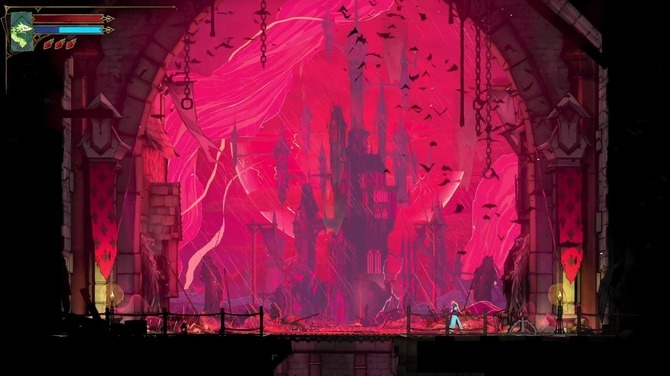
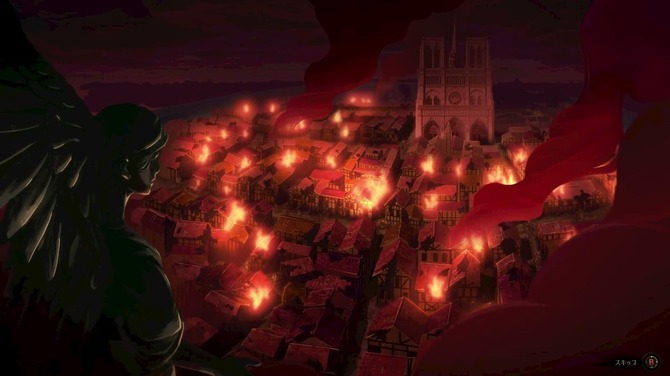
The flickering torchlight and piles of human bones deep within the eerie darkness of the catacombs, and the solemn light streaming through the massive stained-glass windows of the crumbling cathedral—every single frame is a work of art in its own right.


Inside the castle, adorned with opulent furnishings, there are interactive elements—such as picture frames that function as jump pads when you step inside them—ensuring that your immersion in the game’s world never wavers. When combined with the whip-based action, these elements elevate exploration into a visually thrilling experience.
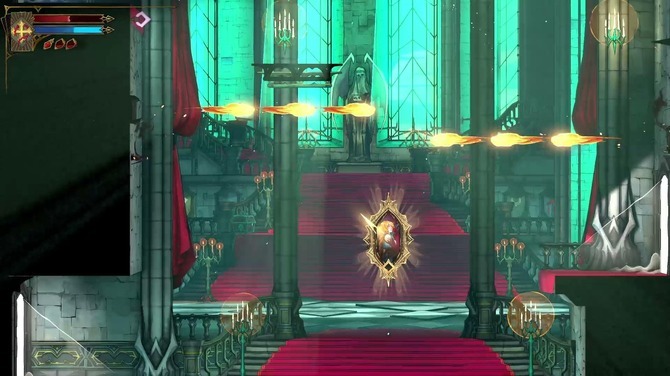
On the audio front, tracks like “Bloody Tears” have been given modern arrangements, ranging from rich orchestral pieces to fast-paced modern rock sounds.
From the melancholic sounds of the pipe organ and harpsichord as you walk through deserted underground cemeteries and corridors, to the transition to intense battle music the moment you step through a boss room’s door—this dynamic heightens both mental tension and exhilaration to the absolute limit.The contrast between stillness and movement is extremely clear, serving as a crucial piece in constructing the dark fantasy world.
After racing through the game to the ending, what remained was a deep sense of admiration for the game’s perfection as a pure 2D action title—built upon the development team’s boundless love and respect for the long-standing, iconic *Castlevania* franchise.
The whip inherited from her father Trevor, the tarot cards inherited from her mother Cipher, and the harsh drama of her bloodline symbolized by the curse on her arm. The story, told through the lens of the new female protagonist Rose, faithfully follows in the footsteps of the series’ great history while also breathing new life into it.
With deep dungeon puzzles that require you to think on your feet, formidable bosses that vividly reflect their distinct personalities, and character builds driven by the Arcana system, the game’s various elements mesh seamlessly to weave a new chapter in the series’ history.
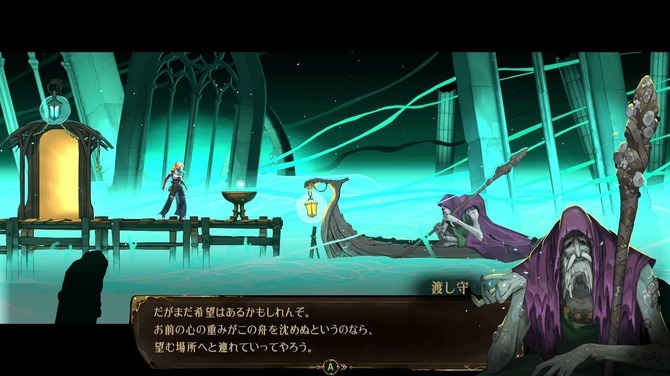
While fast travel between docks via the ferryman is available, completing all collectibles will likely take a considerable amount of time. However, even if you don’t manage to collect everything, it won’t detract from the overall quality of the game.
“Castlevania: Belmont’s Curse” offers plenty of enjoyment and fresh surprises and discoveries—whether you’re a longtime fan who’s followed the Castlevania legacy or a player who’s been introduced to the genre through recent excellent Metroidvania titles.Why not step into a Paris shrouded in darkness and flames, and venture into Dracula’s Castle, where layers of traps and dark clouds swirl?
Game*Spark Review: *Castlevania: Belmont’s Curse* PC/PS5/Xbox Series X|S/Nintendo Switch October 15, 2026
While the refined action—which carries on a 40-year legacy—makes for an excellent entry point for newcomers, the quirky skills and map navigation upon completing the game warrant some consideration.
-
GOOD
- Intuitive and satisfying whip action
- A profound drama set in Paris in 1499, exploring Rose’s lineage and inner conflicts
- A gripping narrative where formidable foes from past games join the party as allies
- Highly flexible build customization via “Magical Devices” and “Paths of Salvation”
BAD
- Slow animation and awkward range management for individual Arcana skills
- The hassle of long-distance travel when aiming to complete the vast map
©Konami Digital Entertainment



