On December 16, 1999, SNK released the PlayStation 1 game *KOUDELKA*. This title is a Gothic horror RPG set at Nemeton Abbey, located in Wales, England, in the late 19th century.
It was the debut title from “Sakunos,” a new company founded by musician Yuki Kikuta and others who had left Square (now Square Enix), and is also known as the prequel (origin story) to the *Shadow Hearts* series, which would later enjoy enduring popularity.
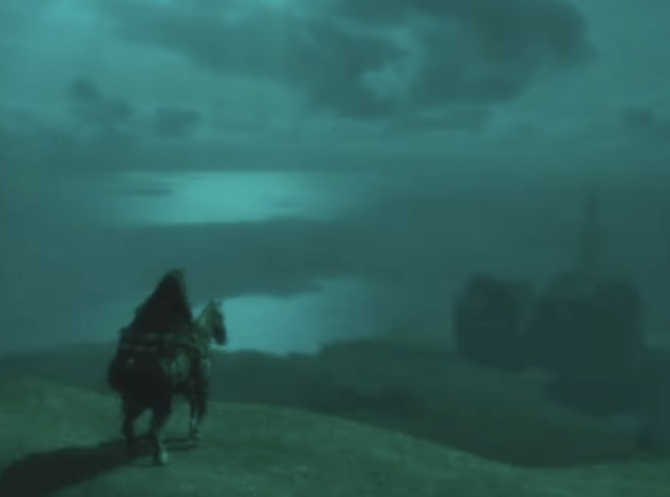
Players control the protagonist, a young girl named Kudelka Iasant, as she ventures deep into the abbey to uncover the terrifying secrets hidden within the eerie “Nemeton Abbey” and escape alive.
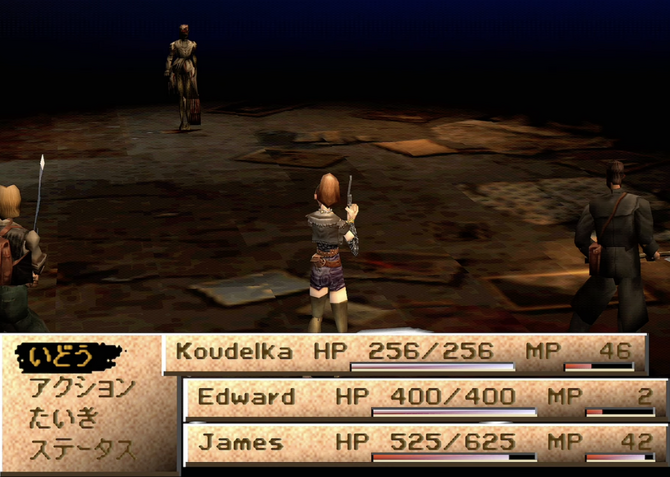
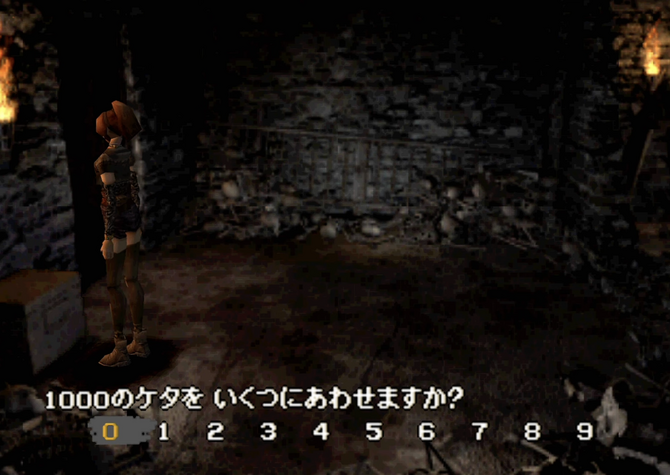
A key feature of the game is its unique system, which blends a *Resident Evil*-style survival horror format—where players control 3D-modeled characters to explore the eerie monastery using a fixed camera and joystick controls—with turn-based simulation battles on a grid, reminiscent of a simulation RPG.
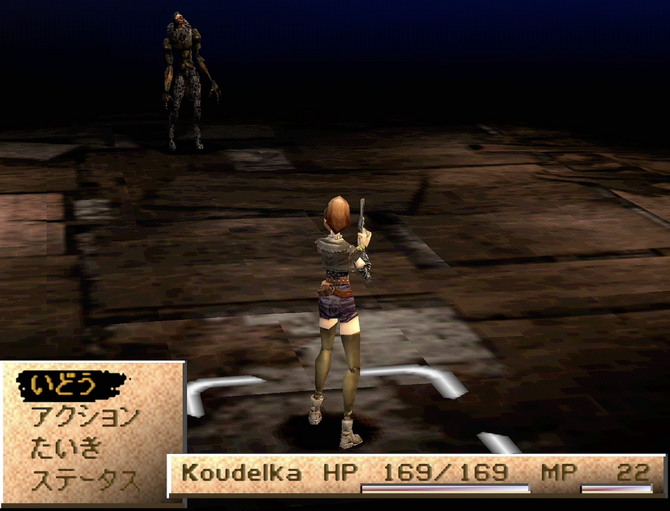
Furthermore, setting itself apart from the heavily fantasy-oriented JRPGs of the time, the game features a unique art style inspired by the “Cthulhu Mythos,” “Celtic mythology,” and historical events such as Jack the Ripper, alongside a dark and profound storyline.
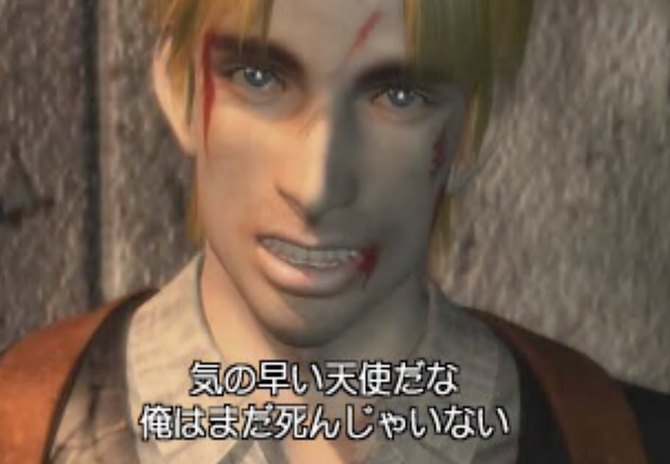
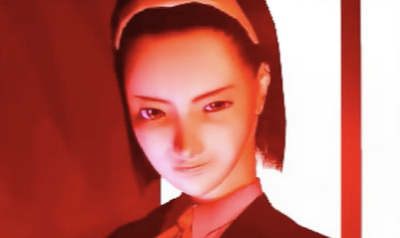
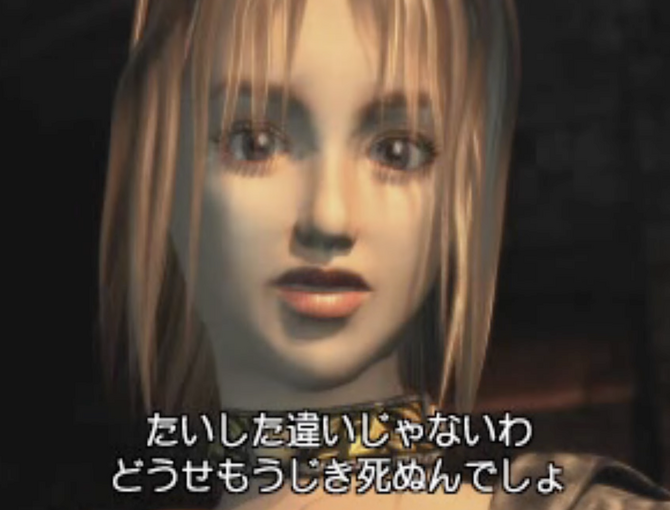
Furthermore, the game exuded a unique presence thanks to its cinematic presentation—which early on incorporated motion capture and performances by talented voice actors—as well as its profound Gothic horror world.
In this article, I’d like to unravel the game’s ambitious system—which fused tactical RPG elements with survival horror—and reflect on its unprecedented fun and appeal, while also examining the historical lineage of how this title was passed down to and further developed into *Shadow Hearts*.
◆The Brutal Gameplay and Unique Charm Born from the Fusion of SRPG and Survival Horror
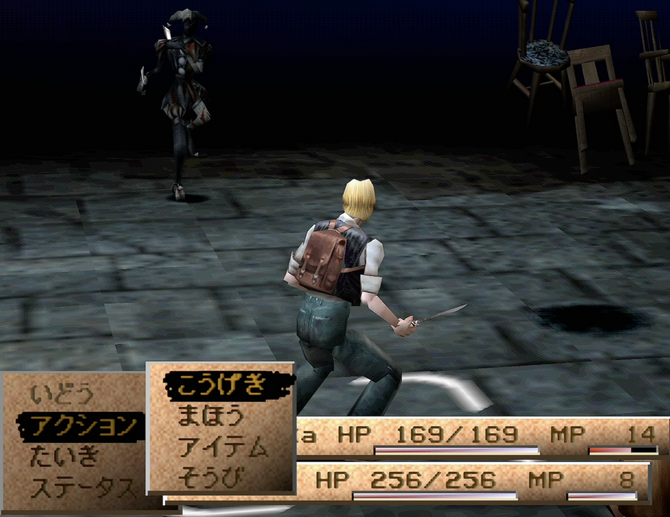
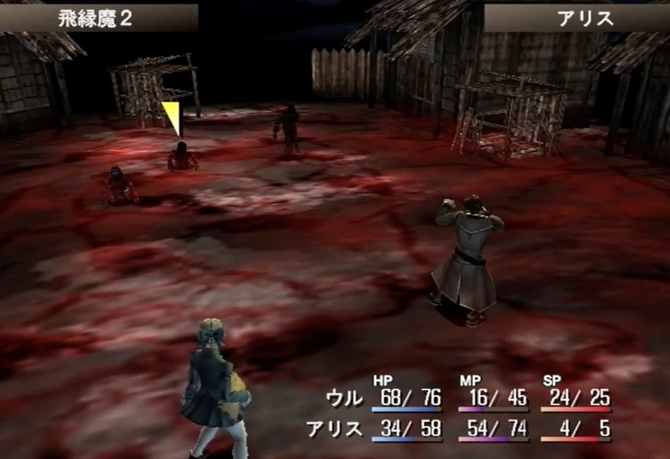
This game’s combat system takes the form of a simulation RPG (SRPG) that employs turn-based, grid-based movement. The battle screen is divided into grid squares, and it’s crucial for players to choose their actions while calculating character positioning, movement distance, and attack range—this is where the real fun lies.
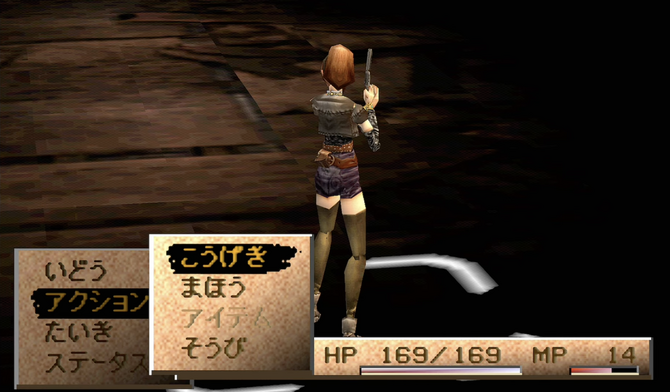
While typical SRPGs focus primarily on tactical, multi-versus-multi battles and developing your own team, in this game, the system functions extremely effectively as a mechanism that emphasizes the tension and dilemmas unique to “survival horror.”
The Strictness of Resource Management and the Tension of Grid-Based Placement Ammo, healing items, and weapon durability are extremely strictly limited
in this game. Melee weapons have a “durability” that decreases with each use, and firearms consume ammo when fired.When encountering enemies inside the
dark, narrow monastery, players must constantly be aware of their distance from enemies within the limited grid.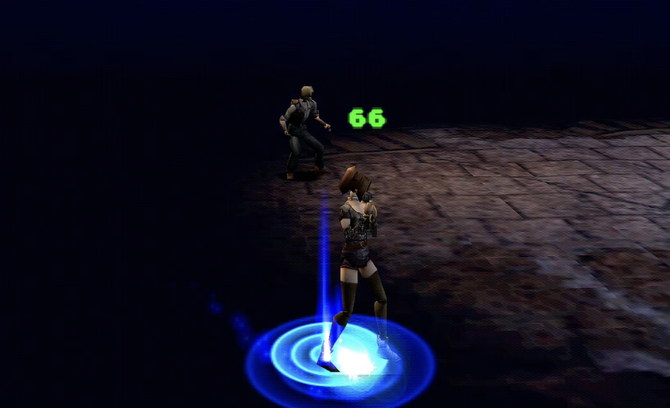
The decision—whether to close the distance and take risks by fighting with low-durability melee weapons, or to expend ammunition and fire from a safe distance—is constantly accompanied by the fear of running out of resources. Every step taken across the grid directly contributes to the sense of urgency unique to survival horror.
Freedom in Character Development and Risks
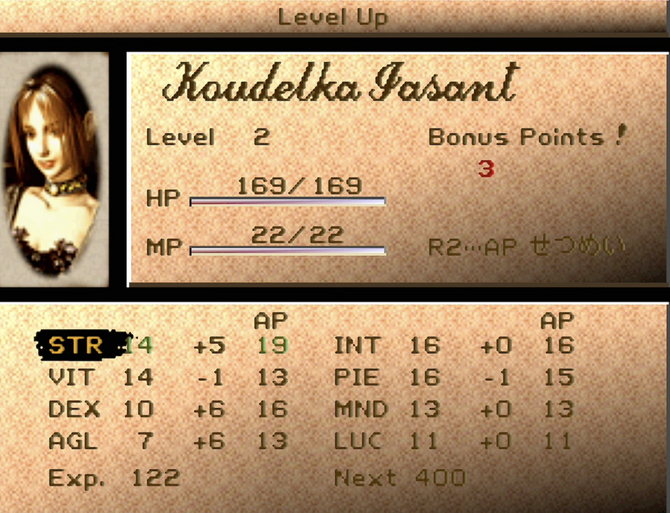
Lurking in Blind Spots “Weapon Proficiency,” which improves through combat, and “Stat Development,” where you freely allocate points earned upon leveling up, are also key elements of this game. Depending on the
player’s development strategy, the character’s role can shift significantly—whether specializing in physical attacks or magic.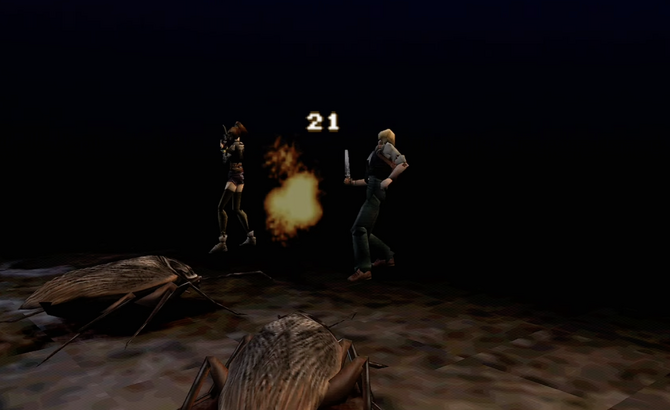
However, relying too heavily on specific weapon types or tactics carries the risk of suddenly finding yourself in a dead end if that weapon breaks or you run out of ammunition.
The ponderous movement animations and slow tempo aren’t merely a matter of clunky controls; they amplify the “fear of things not going as planned” when facing unknown, monstrous creatures, constantly heightening the tension on the screen.
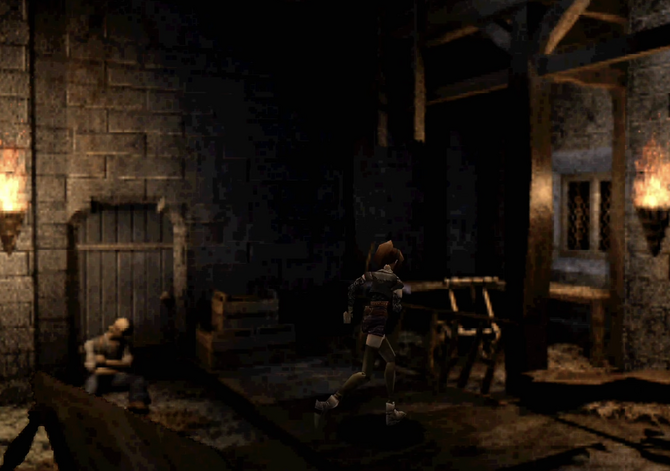
Dungeon exploration in *Kudelka* is characterized by an extremely tense structure that blends homage to the renowned survival horror series *Resident Evil* with original ideas.
The map of Nemeton Abbey, where the game is set, features a labyrinthine structure with intricately intertwined levels and locked doors blocking the player’s path.Players navigate this eerie map, rendered from fixed camera angles, relying on clues hidden in paintings and diaries—such as “strange keys” and “special reliefs”—to unravel the puzzles.
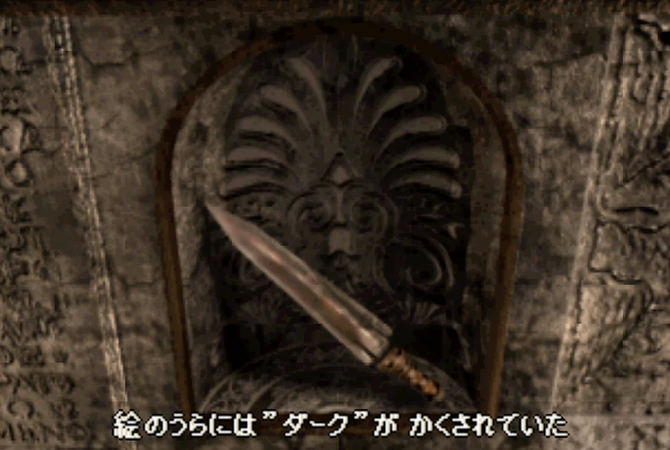
The sense of catharsis that comes from gradually expanding the playable area through repeated exploration and unlocking is a direct continuation of the game design unique to the *Resident Evil* series.
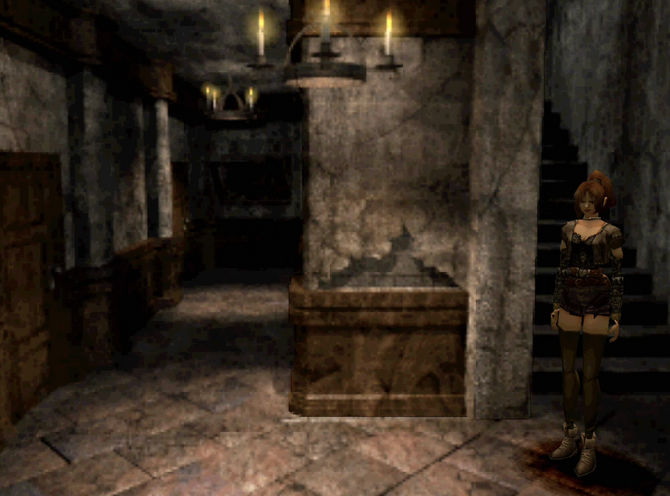
However, what sets this title apart is the integration of RPG-style “random encounters” into this system. While enemy placements are relatively fixed in *Resident Evil*, in *Kudelka*, encounters with grotesque monsters can occur suddenly—even while you’re simply walking back and forth down the same hallway searching for puzzle items.
The tension of exploring while living with the fear that simply moving might deplete your weapon’s durability or ammunition is the true thrill of this game and what gives it its unique play feel.
◆ What Was Passed Down from *Cudelka* to *Shadow Hearts*
The dark and tragic story woven in this game would be directly carried forward into the PS2 RPG *Shadow Hearts*, released in 2001 by Arze (now Universal Entertainment).
The elements that were inherited and refined span three broad areas: story (world-building), gameplay systems, and presentation and characters. This is because the development teams were the same; as such, *Shadow Hearts* can be considered a true spiritual successor (and a direct sequel) that strongly carries on the DNA of *Kudelka*.
Please be aware that the following contains spoilers regarding the ending of *Cudelka*.
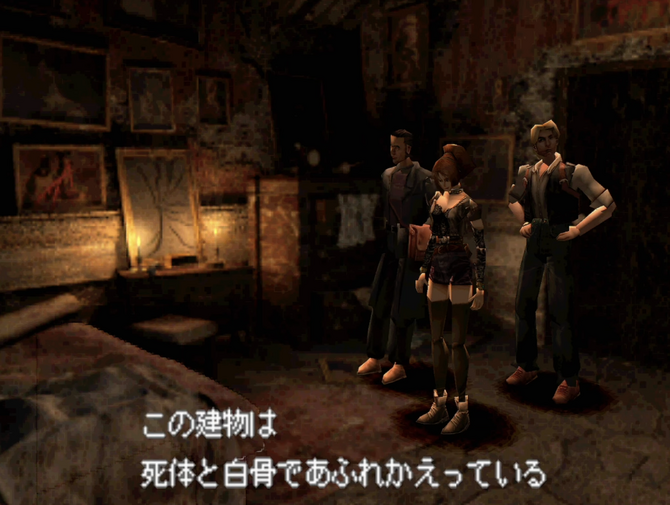
For example, *Cudelka* features multiple endings that change based on the player’s actions and battle outcomes.
Toward the end of the story, if you lose the battle against the final boss, “Helene,” while in possession of the specific key item, “Kudelka’s Pendant,” James sacrifices himself to take Helene with him, leading to a bad ending where only Kudelka and Edward survive.
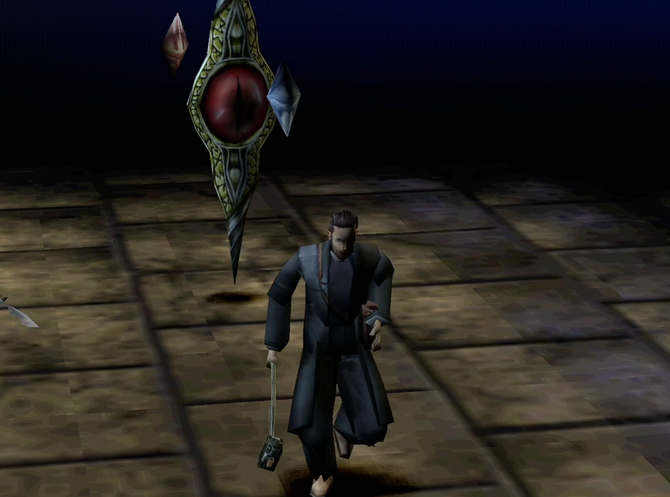
Surprisingly, however, the story of the sequel, *Shadow Hearts*, takes the world following this bad ending in *Cudelka* as its “canon” (official history).
In other words, the traces of the protagonists’ defeat, despair, and ruin in the previous game directly trigger the events of the next era. The bold decision to use what appears at first glance to be a hopeless bad ending as the starting point for the sequel further cemented the themes of “inevitable fate” and “decadent virtue” that underlie the entire world-building.
This bold concept—using a tragic ending as the starting point for the next installment—and its grand structure gave the series a unique presence even within the JRPG market of that time.
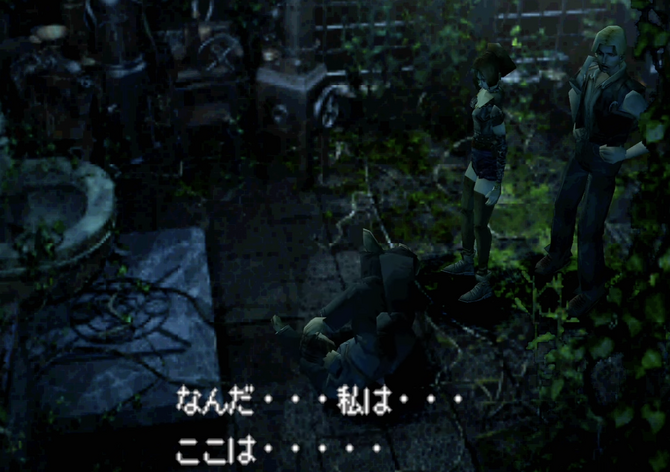
Meanwhile, *Shadow Hearts* features the ruins of Nemeton Abbey—the setting of the previous game—as well as key figures from that story.The fate of the protagonist, Kudelka, herself; the presence of her son, Harry Plunkett; and the existence of shared items such as the “Sword of Saknos” and the “Book of Hélène” all attest to the historical continuity between the two titles.
Furthermore, the dark rituals and forbidden magic depicted in *Kudelka* were meticulously woven into the backdrop of magic and the occult in the *Shadow Hearts* universe, expressing a depth of world-building that went far beyond mere fan service.
◆A Pioneering, Unconventional Horror RPG
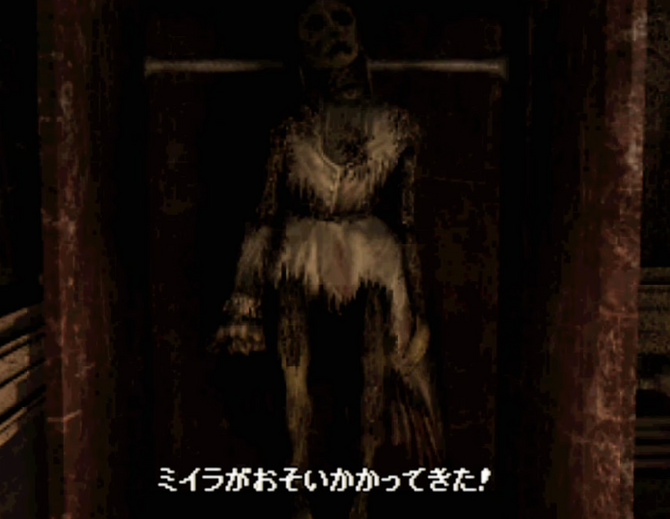
In the late 1990s, the market—including the PlayStation—was in a transitional phase, seeking more mature forms of artistic expression alongside the advancement of 3D graphics technology.
Released amid this trend, *Kudelka* stood out as a fantasy for adults that went beyond a mere horror experience.
The intense tension and the horror of silence experienced in this game underwent a major transformation as it was passed down to *Shadow Hearts*.
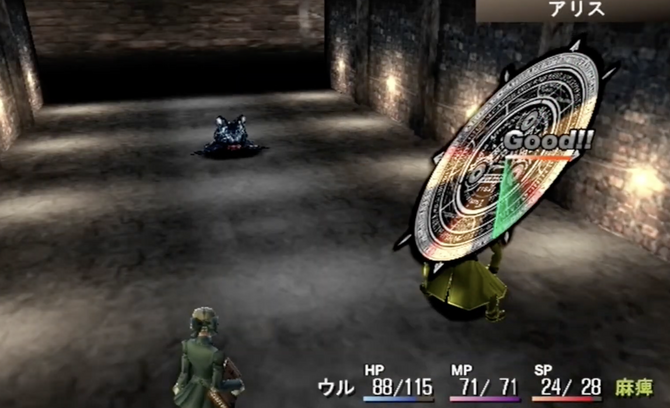
To give one example, *Shadow Hearts* introduced the “Judgment Ring,” a system that has come to symbolize the series. This is a system in which actions are determined by pressing a button at just the right moment to match the needle (indicator) on a rotating disc (ring).The introduction of this comical element—akin to “timing button presses”—significantly enhanced the game’s sense of exhilaration and mass appeal.
While many elements were refined and elevated, the wonderful thing is that the core concept—the “fusion of modern history and occultism”—remained unwavering.
It can be said that the unique dark fantasy world of the *Shadow Hearts* series was made possible precisely because of the stoic horror elements present in *Kudelka*.
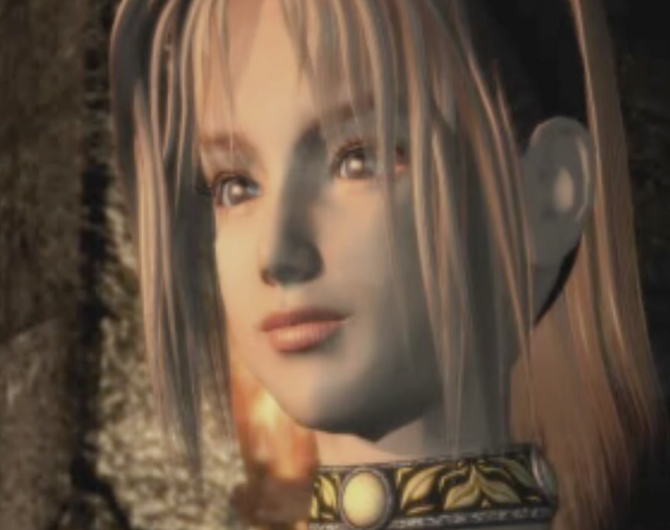
Ultimately, this title can be described as a pioneering experimental work that boldly challenged the boundaries of the genre. The attempt to fuse two distinct approaches—the strategic depth of SRPGs and the resource management of survival horror—left players at the time both deeply perplexed and profoundly impressed.
That is precisely why *Kudelka* continues to be loved to this day and remains etched in gamers’ memories.