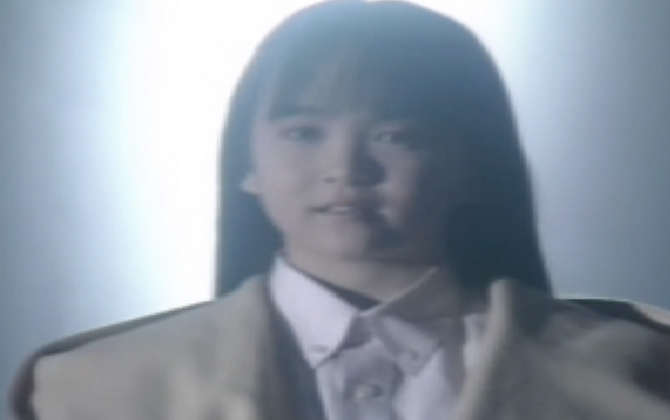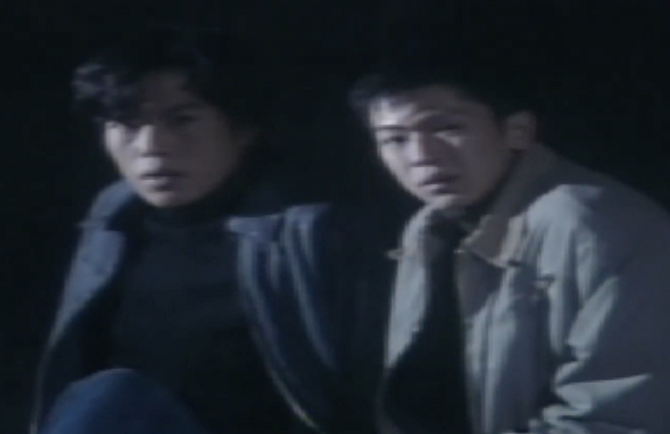
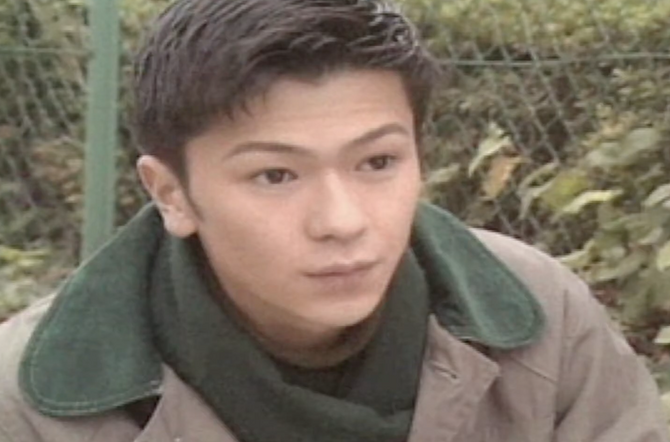
The TV drama “NIGHT HEAD,” which premiered in 1992 on Fuji TV’s late-night slot, starred Etsushi Toyokawa and Shinji Takeda as the brothers Naoto and Naoya Kirihara—both of whom possessed psychic powers. The series depicted the harsh fates they faced and gained a cult following, particularly among young people at the time.
Directed by Joji Iida, this sci-fi psychological suspense series featured a story that incorporated authentic psychic powers and sci-fi special effects. Rather than depicting heroes who use their abilities to defeat evil, it portrayed “the anguish and inner conflict of two brothers who are ostracized by society because their powers are too strong and are at the mercy of a harsh fate” in a psychological thriller style, captivating a wide audience.
Going beyond the confines of a TV drama, the series expanded into a multifaceted media franchise, spawning novels, manga adaptations, and a theatrical film, and was even rebooted as an anime in 2021.
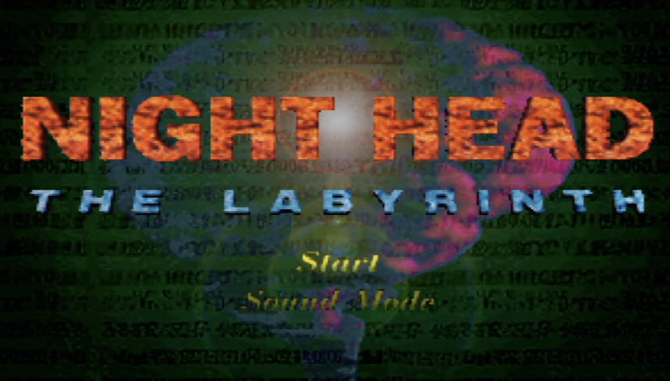
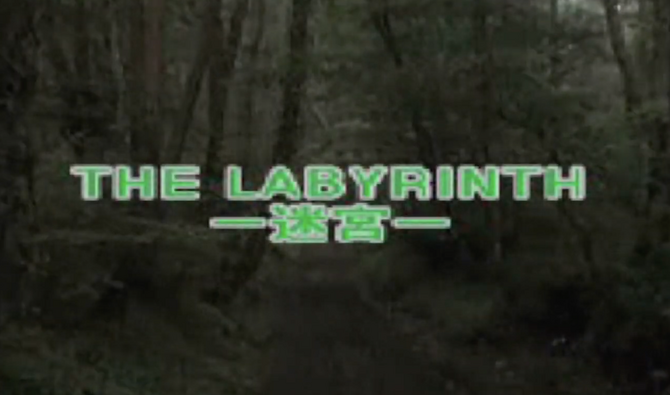
On November 17, 1995, during this transitional period, *NIGHT HEAD -THE LABYRINTH-* was released as a game for the original PlayStation (PS1).
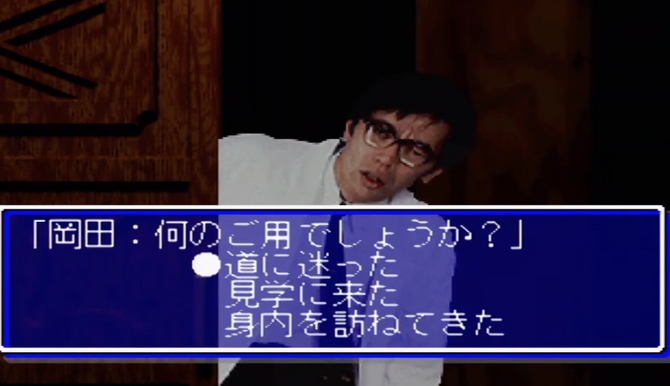
This title was an adventure game that combined live-action footage—made possible by the large storage capacity of CD-ROMs—with static text, and was produced as a side story to fill in the gaps and provide background details for the main drama series.
Looking back on it now, we see the occult culture of the ’90s, the experimental genre of live-action games, and the media mix culture that was gaining momentum at the time layered upon one another like geological strata.
In this article, I’ll examine the game’s role as a media-mix work tied to the TV drama, while also taking a fresh look at how the “atmosphere” of the mid-1990s—when society was engulfed by Nostradamus’s great prophecies, end-of-the-century ideology, and the occult boom—was reflected in the game’s design and direction.

◆ The Role and Appeal of the Game Version in Expanding the TV Drama
The early 1990s marked the beginning of experiments with “media mix” strategies, where TV dramas and other media were integrated. “NIGHT HEAD,” in particular, featured a pioneering structure in which visual media and written media mutually reinforced each other’s world-building.
The video game “NIGHT HEAD -THE LABYRINTH-,” which emerged as part of this trend, went beyond being mere character merchandise or a simplistic novelization; it served the role of expanding and complementing the series’ world.
The main TV drama series depicts, at a breakneck pace, the struggles of the Kirihara brothers as they are tossed about by the immense power of their psychic abilities, as well as the mysterious incidents surrounding them. However, due to broadcast time constraints, not all the underlying details of the individual incidents they encountered at each location, nor the inner lives of the characters, were fully revealed.
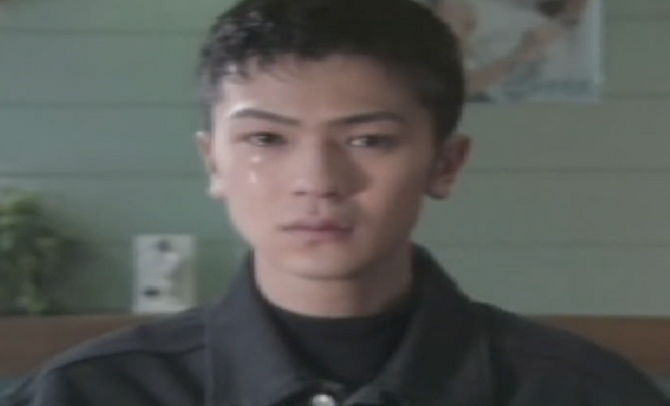
The game version serves as a supplement to fill these “unspoken gaps,” unfolding a completely original side story that progresses along the same timeline as the TV drama.
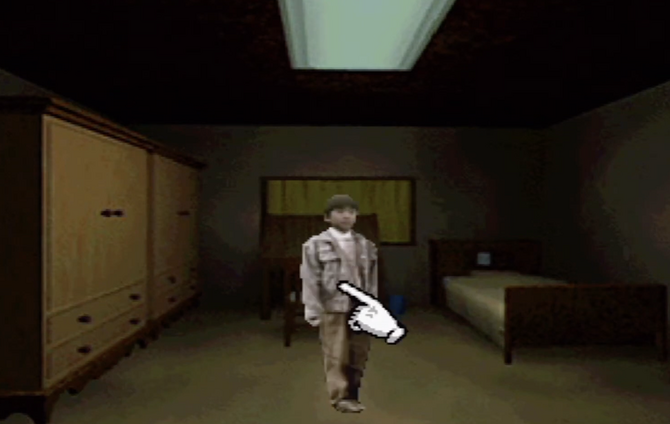
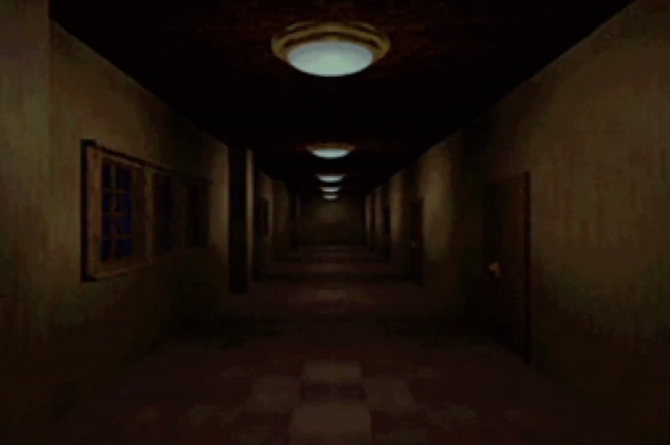
The interior of the “Mikuriya Research Institute”—a psychic research facility not detailed in the main series—is recreated with beautiful 3D graphics, offering fans a deeper understanding of the setting, which was a major draw.
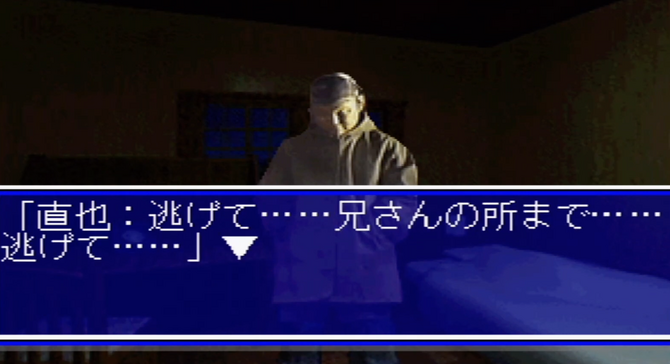
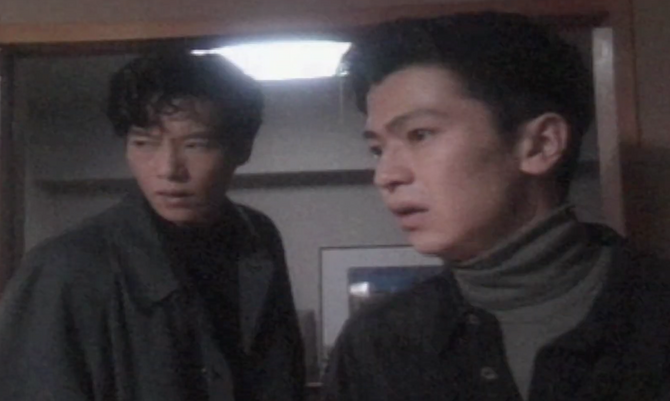
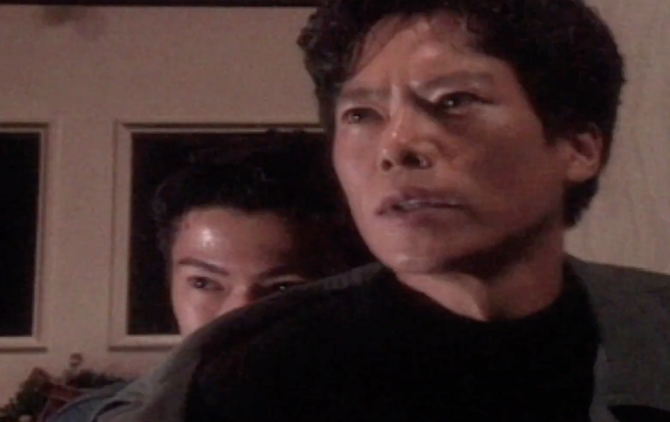
Another major appeal of this title is the abundant use of live-action footage and voice recordings from Etsushi Toyokawa (Naoto, the older brother) and Shinji Takeda (Naoya, the younger brother), who played the Kirihara brothers.
Since live-action cutscenes are inserted at key points in the game, you’ll experience a sense of realism as if you were watching and controlling a new episode of the TV drama in real time.
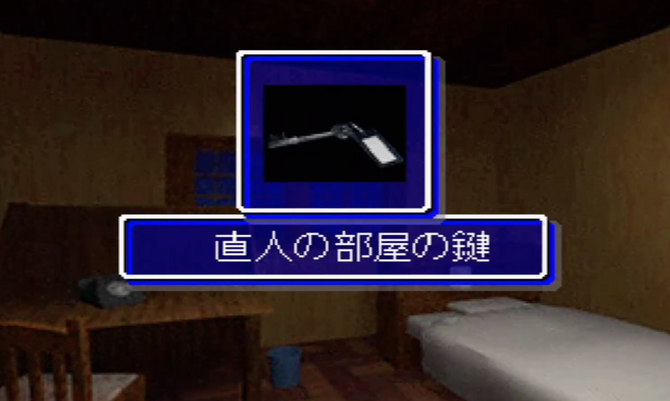
Furthermore, while the game involves exploring the interior of the research facility to solve mysteries, it features a system with a strong psychological suspense element: rather than the player using psychic powers themselves, the goal is to “decipher the anomalous phenomena caused by psychic powers and the mental traces (residual thoughts) left behind by the psychics.”
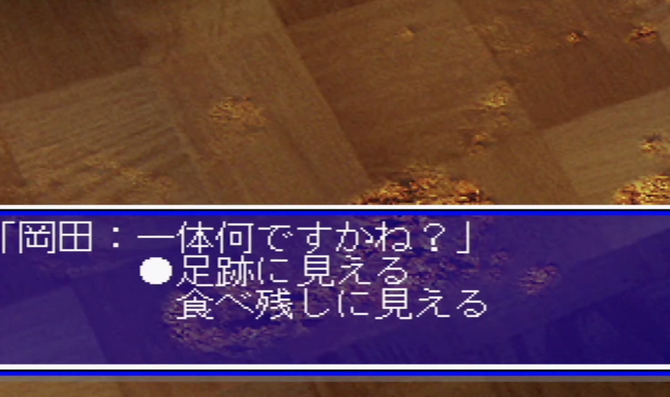
In each room and corridor of the research facility, “strong memories and emotional energy” from the test subjects (psychics) and researchers who once occupied those spaces remain.
When the player examines specific objects or enters certain areas, past events and the subjects’ deranged thoughts flood into their mind as visuals and text. These serve as crucial passwords for solving puzzles or as clues for finding hidden rooms.

The game features a multi-ending system where the story branches based on the player’s choices. While the brothers follow a predetermined fate in the TV series, the game allows players to alter their fates and uncover the truth behind the mystery, offering a high level of gameplay depth as an adventure game.
◆The 1990s “Psycho-Horror Boom” and the End-of-the-Century Atmosphere

When discussing *NIGHT HEAD*, one cannot overlook the unique historical context that pervaded Japanese society in the mid-1990s. At that time, the entire subculture scene was deeply influenced by the occult, the spiritual realm, psychology, and a sense of end-of-the-century anxiety epitomized by Nostradamus’s prophecies.
For example, in Showa-era entertainment, “psychic powers” were often portrayed as flashy abilities that heroes used to fight enemies or as special means of attack.However, as the 1990s began, psychic powers came to be reinterpreted from an internal and negative perspective—as a “personal psychological burden,” “social isolation,” or “a curse.”
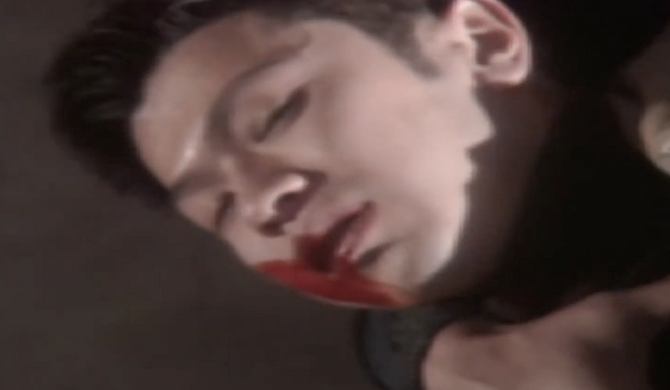
The psychic powers in *NIGHT HEAD* are no exception. Using these powers does not bring pleasure or resolution; rather, it entails an excessive strain on the brain (headaches) and the mental anguish of absorbing others’ malice.
In the video game adaptation as well, this “agony associated with the abilities” defines the overall tone of the work. Rather than featuring flashy battle sequences, the game design—permeated by a quiet sense of despair and an unsettling atmosphere—resonated with the invisible anxieties and psychological tensions that society was grappling with at the time.
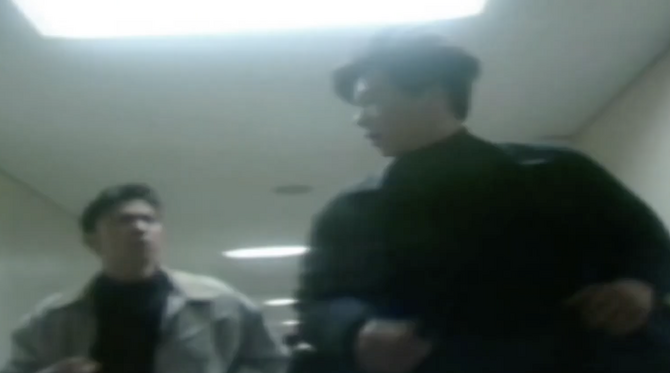
Furthermore, in the mid-1990s PS1 market, alongside major RPGs and action games, there were numerous adventure games that exuded an underground and experimental vibe.
It was an era when titles such as *Kulon’s Gate* and *serial experiments lain*—which explored themes like the spiritual realm, urban legends, cyberpunk, and psychological horror—exuded a unique presence.
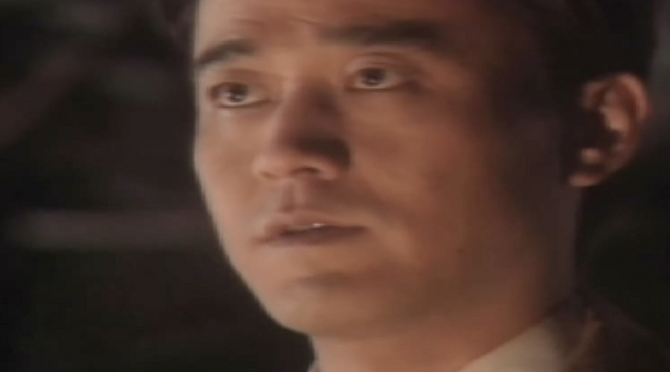
The somewhat damp and unsettling atmosphere of *NIGHT HEAD -THE LABYRINTH-* can also be situated within this cultural current of the time.
The grainy texture of the CG and live-action footage, the dark and subdued sound design, and the storyline that seemed to peer into the darkness of the human psyche undoubtedly captured the “somewhat precarious worldview” that young people of that era were seeking. The 1990s were an era brimming with that very atmosphere.
◆The Historical Achievements of “NIGHT HEAD” That Resonate Today
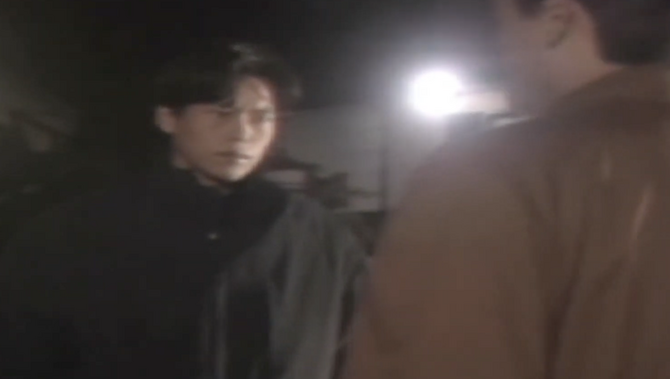
Now, many years after its release, game console performance has improved dramatically, and 3D graphics indistinguishable from live-action footage, along with seamless visual presentation, have become the norm.
Viewed through these modern standards, it is true that the systems and pacing of *NIGHT HEAD -THE LABYRINTH-*, released in 1995, still bear the technical limitations and inconveniences characteristic of early PlayStation 1 titles.
However, its value as a record of the evolution of media mix initiatives in gaming history and as a document capturing the spirit of the times remains undiminished.
The “NIGHT HEAD” IP has continued to be passed down through the ages, taking on new forms such as animated series and stage plays. Within that history, this title—which ventured into the new medium of the original PlayStation—stands as a valuable example of the experimental period of live-action and gaming collaboration in the 1990s.
“NIGHT HEAD -THE LABYRINTH-” serves as an expansion of the series’ universe for fans of the original drama, while also functioning as a time capsule that captures the end-of-the-century anxiety and intense fascination with the spiritual realm that permeated Japanese society in the mid-1990s.
More than just a fan disc, the game’s unique narrative—where madness and tragedy escalate based on the player’s choices—is crafted to a level of perfection that resonates deeply not only with fans of the original series but also with anyone who loves ’90s psychological horror adventure games. It remains a hidden gem that never loses its luster, allowing players to relive the brothers’ harrowing fate firsthand.