


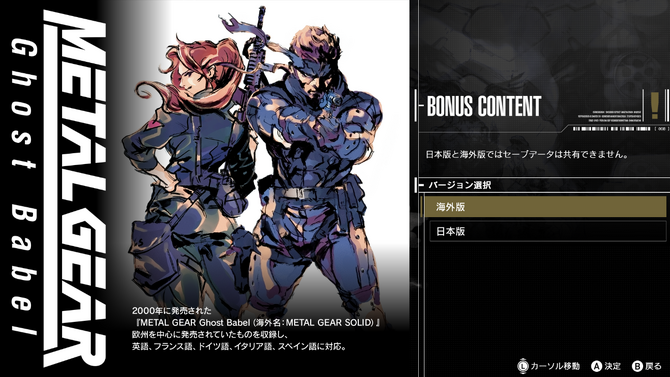
Konami’s tactical espionage operation series *Metal Gear* will celebrate its 39th anniversary in 2026. Recognized by Guinness World Records as the “best-selling stealth game,” the series has sold a cumulative total of 66.4 million copies.
Since series creator Hideo Kojima left Konami in 2015, the series had slowed to a single spin-off title. However, in recent years, under the leadership of Noriaki Okamura—who was once part of the original development team—active efforts toward a relaunch have been underway since 2023.
As for the titles, by September 2026, a modern remake of *Metal Gear Solid 3: Snake Eater* (hereinafter *MGS3*), titled *Metal Gear Solid Δ: Snake Eater* (hereinafter *MGSΔ*), and *Metal Gear Solid: Master Collection* (hereinafter *Master Collection*), a compilation of remastered past titles,*Metal Gear Solid: Master Collection* (hereinafter “Master Collection”) have been released.
In particular, the *Master Collection* includes all the “Saga” titles—which are considered part of the official canon within the games—except for *Metal Gear Solid V: Ground Zeroes* (hereinafter MGSV:GZ), the final numbered entry playable on current-generation consoles,and *Metal Gear Solid V: The Phantom Pain*, which are playable on current-generation consoles, and thus provides an environment that makes it easy for new players to get started.
Additionally, regarding new entries in the series or further remakes, Mr. Okamura, while remaining modest and asking, “I wonder if there will be any,” after the release of *MGSΔ*, expressed his intention to explore future possibilities.While noting that what they will create is still undecided, he stated that given the series’ history—which spans everything from pixel art to various other forms of expression—the approach to remakes and new titles “will likely vary depending on the project.”

Mr. Okamura himself has personally cited *Metal Gear Solid* (hereinafter *MGS1*) as a title he would like to remake, and it is believed that what many fans are eagerly awaiting is a new entry in the “canon” series. However, there actually exists a “series of spin-off titles set in a parallel universe” within the *Metal Gear* franchise.

To commemorate the re-release of *Metal Gear Ghost Babel*—which can be considered the origin of this series—in *Master Collection Vol. 2* (hereinafter “Masukore 2”), we’ll introduce it alongside the related titles *Metal Gear Acid* and *Metal Gear Acid 2*.
These titles were directed by Shinta Nojiri, who was part of the development team led by Director Kojima, and based on the in-game text, they are believed to “share the same setting.”

Given that many of the plot threads woven throughout the games remain unresolved, I, as the author, am eagerly hoping for a sequel or a remake of these three titles. In this article, we’ll delve into how these three games are connected and explore their relationship to the main canon and other spin-off titles.
Please note that this feature contains major spoilers for *Metal Gear Ghost Babel*, *Metal Gear Acid*, and *Metal Gear Acid 2*, as well as references to the lore and trivia of other *Metal Gear* series titles, so please proceed with caution.
Full-Scale Stealth Action on a Handheld! *Metal Gear Ghost Babel*

First up is *Metal Gear Ghost Babel* (hereinafter referred to as *MGGB*), the only *Metal Gear* title released for the Game Boy Color. Within the series, it was released on April 27, 2000—the year following the release of *MGS1: Integral*, the definitive edition of the original *Metal Gear*.

The story takes place in the early 21st century, seven years after the original “Metal Gear” (hereinafter MG1). A nuclear-armed weapon under development, the “Metal Gear Gander,” is stolen by a dictatorial military group. To destroy it, Solid Snake must infiltrate the armed fortress “Galead.”

From the main storyline to the side conversations over the radio, the game is peppered with elements of “reflecting on past actions and confronting them,” and it is characterized by a “thematic depth” that aligns with the canonical works following *MGS1*.

While the basic systems and UI follow in the footsteps of the pixel-art era *Metal Gear 2: Solid Snake* (hereinafter *MG2*), the game incorporates elements from *MGS1* such as “wall-clinging” and associated actions,as well as the concept of “stunning” enemies to incapacitate them non-lethally, and the “chaff grenade,” which can disable surveillance cameras.
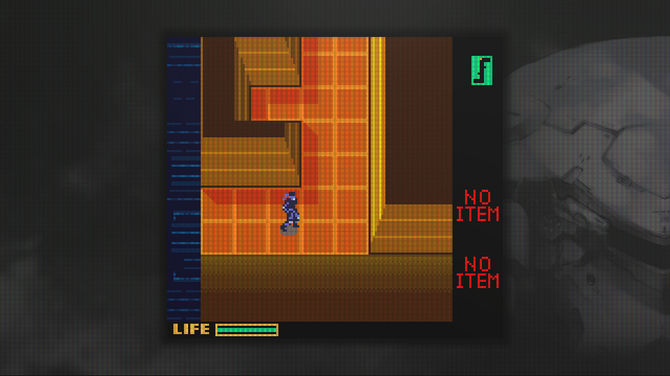
In terms of depth, in addition to the VR Training found in *MGS1* and *Integral*, players can tackle “SPECIAL” mode after completing the main story, which challenges them to clear the same missions as the main story under special conditions.

“SPECIAL” is structured around “reliving Snake’s missions in VR under the guidance of the mysterious figure ‘No. 4,’” and as you progress through the missions, behind-the-scenes stories from this game’s narrative are revealed.

This was my first time playing *Mass Collection 2*, and what personally caught my attention was the fact that Yoshiya Nakamura is in charge of the art.
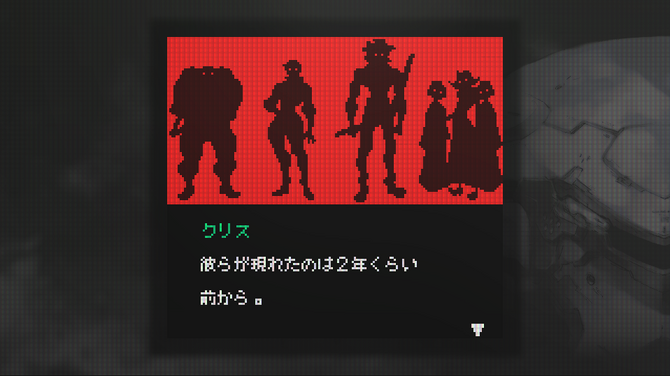
I could sense an atmosphere reminiscent of *Our Sun*, for which he later served as director and lead graphic artist, and as a huge fan of that series, it evoked a sense of nostalgia. The fact that *Our Sun* itself adopted a top-down stealth system similar to *Metal Gear* may also be why I felt that way.
Is *MGGB* a parallel universe? Differences in Big Boss and the world setting
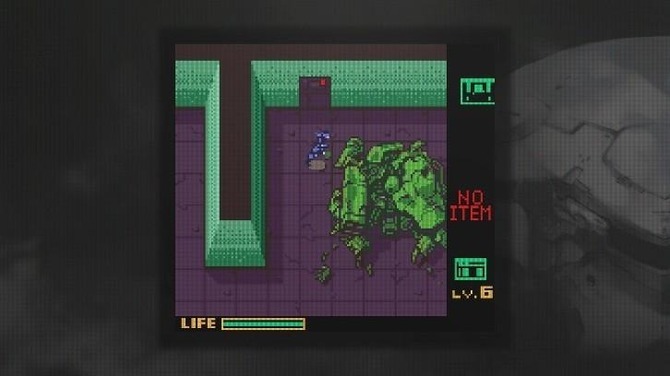
As mentioned earlier, the story of *MGGB* unfolds after *MG1*, but within the game, it takes place in 2002—before the events of *MGS1* in the canonical timeline.

The primary reason this title is not “included” in the “canon (saga)” is likely that it is not a “A HIDEO KOJIMA GAME”—as defined by Director Kojima as a game he “created entirely on his own, taking full responsibility for the planning, game design, script, direction, and production.” However, the presence of numerous settings that contradict the canon is also considered a contributing factor.
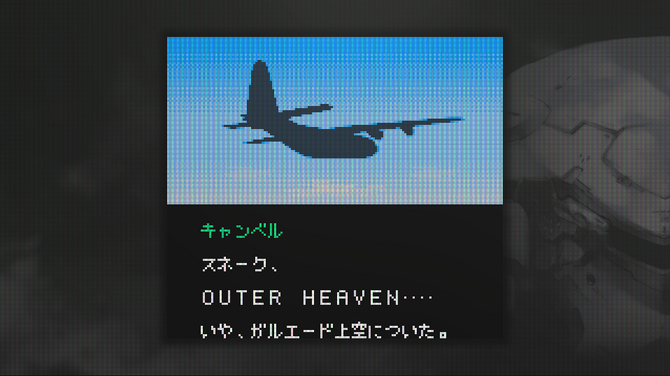
For example, *MG1* retains the backstory where Snake destroyed Metal Gear at the “Outer Heaven” fortress and defeated the mastermind, Big Boss; at the beginning of *MGGB*, it is explicitly stated that “Galade,” the setting for the game, was built on the site of “Outer Heaven.”

However, the events of *MG2*, which took place in 1999 within the canonical timeline, are not mentioned. While the canonical Snake had retired from the special forces unit FOXHOUND in 1995, the *MGGB* version of Snake retired in 1999, resulting in a discrepancy in the timeline.
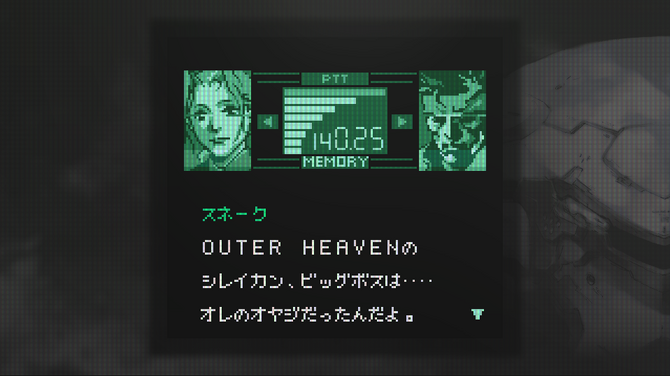
Another notable discrepancy is the depiction of the “blood relationship between Solid Snake and Big Boss.”

In the series, the father-son relationship between the two was established in *MGS1*, and within the story, it is described as having been “revealed to him by Big Boss himself in the past” (*Note: There are no corresponding lines in *MG1* or *MG2**).

The *MGS1* Snake referred to killing his father, Big Boss, as a “trauma of his life,” and the *MGGB* Snake also felt intense guilt over “being treated as a ‘legendary hero’ despite having killed his father.”
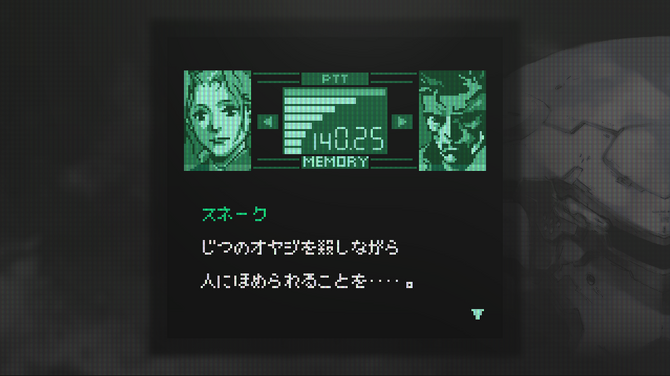
The major difference is that while the *MGS1* Snake was informed toward the end of the story that he was “created from Big Boss’s cells”—in other words, a clone—the *MGGB* Snake merely referred to Big Boss as his “real dad” throughout the main story.
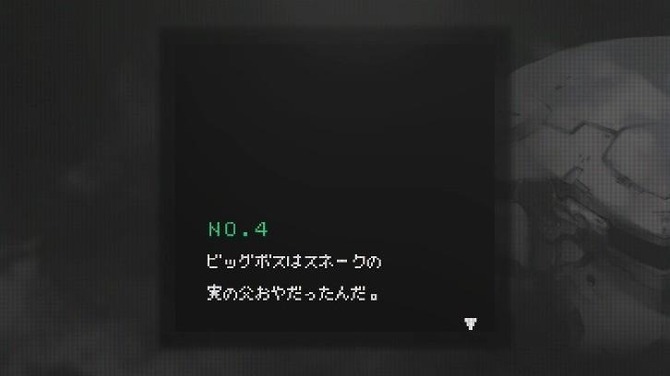
If we were to consider only the main story, one might interpret this as “the ‘MGGB’ Snake simply never had the opportunity to learn he was a clone,” but even “No. 4”—who is well-versed in the world’s hidden truths, as seen in the aforementioned “SPECIAL”—categorically states that Big Boss is Snake’s “real father.”
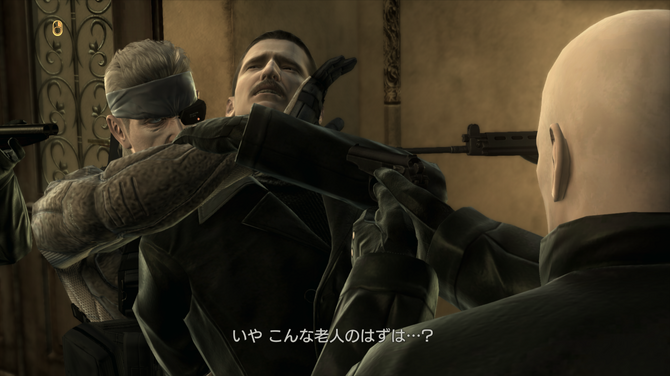

Furthermore, in *Metal Gear Acid*—which, as will be discussed later, appears to be set in the same universe—the story is set in 2016. Unlike Snake in the canonical timeline, who was rapidly aging “for a certain reason” as of 2014, Snake in *Metal Gear Acid* shows no extreme changes in his appearance.This point alone suggests, at the very least, that “the two are different people with the same name.”

In addition, there are numerous details that serve as evidence of this being a parallel world: for instance, in *MGGB*, the CIA Deputy Director is depicted as having organized Outer Heaven and spearheaded the development of Metal Gear, and Snake is already acquainted with Mei Ling—who makes her debut in *MGS1* in the canonical timeline—by the time of this game.
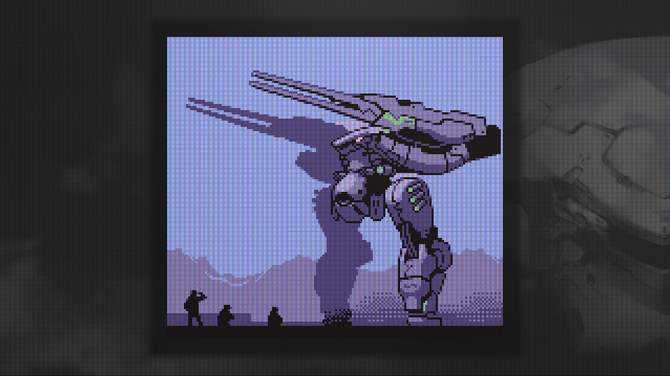
The script for this game was written by Tomokazu Fukushima, who also worked on *MGS1*, andand it incorporates many elements reminiscent of *MGS1*, such as the fact that Colonel Roy Campbell’s involvement in the operation is tied to his niece, Meryl, and the “invisible nuclear warhead” fired from the *Metal Gear Gander*’s railgun.Considering all this, it’s possible the story was intentionally written to create a contrast between the two titles.

Incidentally, the handgun in this game is called the “Five-Seven Pistol,” and “FIVE SEVEN” also appears in the canonical *Metal Gear Solid 4: Guns of the Patriots* (hereinafter *MGS4*).The description states, “This is also the gun Snake used during his solo infiltration of Galade.”
If taken literally, this could be interpreted to mean that “the events of *MGGB* were part of the official canon,” but considering the numerous inconsistencies in the setting and how this title is treated in the official timeline, it’s possible that this was included solely as a form of fan service.
Dr. Copersoon Appears to Connect the Trilogy! Did He Actually Make a Brief Appearance in the Main Series Too?

In *MGGB*, “Copersohn” appears as a key term linking this title to the *Metal Gear Acid* series that would later unfold.
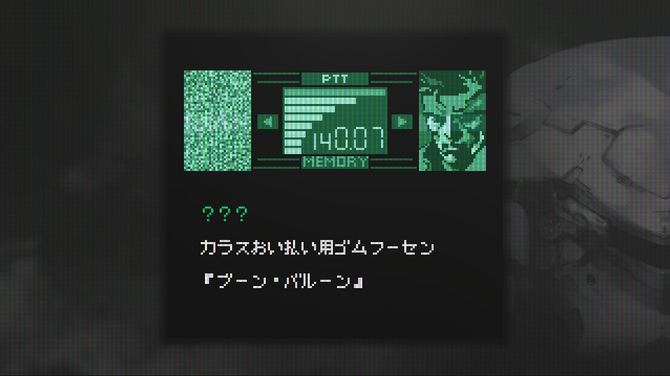
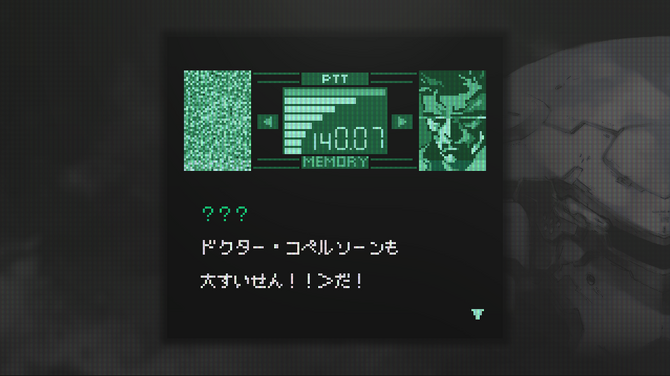
In the game, the name “Dr. Kopersohn” is mentioned during a conversation with Mei Ling, and “Dr. Kopersohn” is also referenced in the radio drama “Idea Spy 2.5 (Two-Han),” which can be heard during a second playthrough of the main game.

Although his specific identity isn’t revealed at this stage, “Dr. Copersohn” himself makes his long-awaited appearance in *Metal Gear Acid 2*, where he plays a central role in the story.

Although this title has no direct narrative connection to *MGGB*, the official guidebook explicitly states that he is the same character as “Dr. Kopersohn” from *MGGB*, so it is believed that the events take place in the same universe.

Incidentally, the name “Dr. Copersoon” also appears in the short scenario “External Gazer,” included in *Metal Gear Solid 2: Substance*. There, he is referred to as “Dr. Copersoon,” the developer of the “Copersoon Engine,” a device that interferes with parallel worlds.However, since Snake in this world—just like in the canonical timeline—is active alongside Otacon as a member of “Philanthropy,” this world is considered distinct from the one in *MGGB*.
A Remaining Clue—Is There a “Jack” in This World, Too?
Although the main events of *MGGB* are resolved, there are still some loose ends that were not tied up.

One of these is the resolution with the high-ranking U.S. government officials who were pulling the strings behind the scenes. Although the main story succeeded in destroying the local Metal Gear and annihilating the military group, the story concludes without any punishment for the masterminds—the high-ranking government officials.Upon learning this, Snake resolves to return to the United States to make them pay for the victims’ sake, but the outcome of this is never revealed, even in later installments.
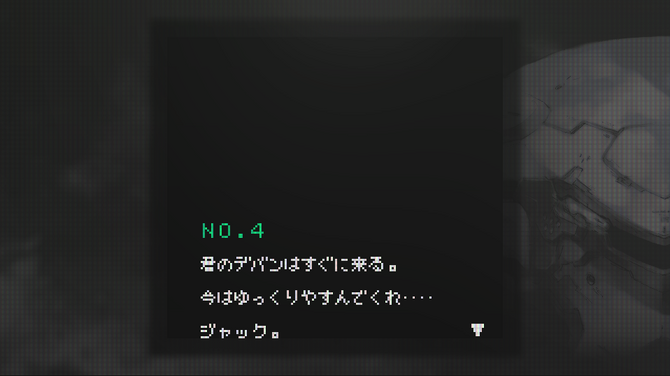
Another element is revealed upon fully clearing “SPECIAL” mode. In this mode, it becomes clear that not only is “No. 4” carrying out some sort of plan, but also that the name of the person participating in the VR training is “Jack.”

The “VR training” and “Jack”—these elements bring to mind Raiden (*real name: Jack*), the protagonist who made his debut in the canon title *Metal Gear Solid 2: Sons of Liberty* (hereinafter *MGS2*), which was released later.Since *MGS2* had not yet been released at the time, it’s possible this was simply an Easter egg slipped in ahead of schedule, regardless of narrative consistency; however, even in the later *Metal Gear Acid* series, there is no mention of his true identity.
Stealth × Strategy × Card Game! *Metal Gear Acid*, an Ambitious Title That Blends Multiple Genres

Some time had passed since the release of *MGGB*, and on December 16, 2004, *Metal Gear Acid* (hereinafter *MGA1*) was released as the first title in the series for the PSP.Released on the same day as the canonical *MGS3*, this title features a unique blend of stealth, card games, and turn-based strategy.

Set in 2016, a jumbo jet carrying a U.S. senator is hijacked. To seize the mysterious “Pythagoras” project demanded by the perpetrators, Solid Snake infiltrates a research facility on the isolated island of Robito.

The scenario, which is heavy on mystery with one enigma leading to another—a hallmark of the series—was handled by Mr. Fukushima (from the previous title), Mr. Shuyo Murata (who wrote the “Idea Spy 2.5” section of *MGGB*), and Mr. Ki Tochihori. Character design was handled by Tsubasa Masao, known for *ANUBIS ZONE OF THE ENDERS*.
Although the optional radio communication system has been removed, the characters are portrayed with great care throughout the story, resulting in a highly polished, linear scenario.
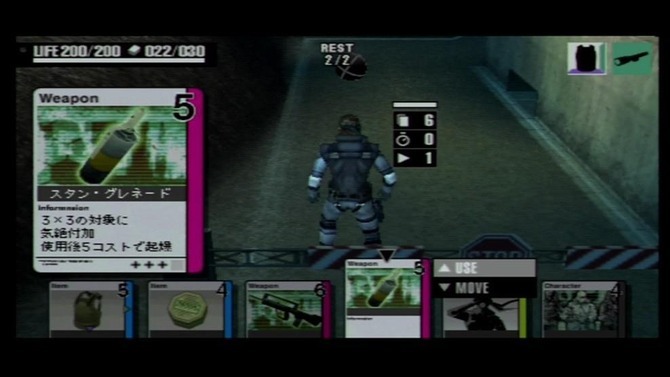
The game system progresses by drawing cards from your deck and clearing a grid-based map according to mission objectives. Since the order of turns changes based on “cost” accumulated through cards and actions, the game requires forward-thinking resource management.

The stealth element—advancing without being spotted by enemies—remains intact, but if you’re discovered and the enemy calls for reinforcements, you’re generally outnumbered. Unlike the original “action” game, movement is heavily restricted here, so when you have few cards, you’ll need to approach infiltration missions “carefully.”

On the other hand, the game’s pacing feels somewhat rough around the edges, and there are drawbacks to simply transplanting elements of “classic stealth action” into a “deck-building turn-based strategy” game.For example, items necessary for overcoming certain mechanisms—such as “key cards” or “remote-controlled missiles”—must be drawn from your deck as “cards,” so depending on luck, you may find yourself forced to spend a turn on them.
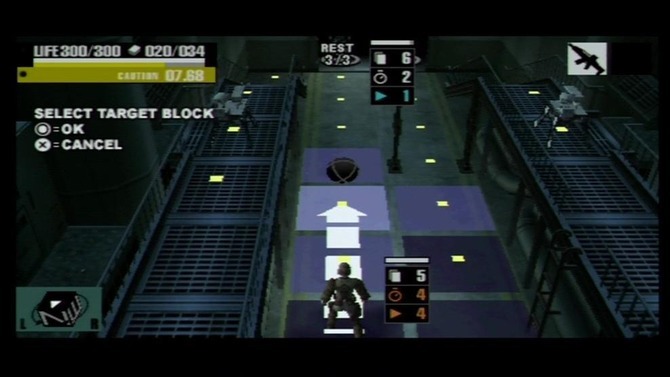
Additionally, there is a lot of back-and-forth just to move around the map, and features like having to wait on the square ahead every time an automatic door opens and closes stood out—aspects that likely wouldn’t have been noticeable in a pure “action” game.
However, the core of the system was already well-developed at this stage, and these issues would be addressed in the sequel.
Unresolved Plot Threads—The Story Reaches a Temporary Resolution, but a Menacing Force Closes In on Snake

While the main story of *MGA1* concludes neatly, the epilogue reveals the existence of the “true mastermind” exclusively to the player.

This figure is “plotting to bring Snake under their control,” while Snake himself, unaware of this conspiracy, leaves Robito Island to return to his peaceful daily life.

Additionally, in the bonus events unlocked upon completing a second playthrough, meaningful conversations among world leaders are depicted; however, these are not carried over to the sequel, *Metal Gear Acid 2*, and thus remain a mystery.
Significantly Evolved Gameplay! *Metal Gear Acid 2* Balances Accessibility and Depth

Released on December 8, 2005, *Metal Gear Acid 2* (hereinafter *MGA2*) is the latest and final installment in the series (*Note: A mobile version was later released overseas*).

The graphics took a sharp turn from the previous game, adopting an American comic book style with outlines added to the 3D character models and a flashy color palette leaning toward primary colors.

Director Nojiri personally wrote the scenario, with Mr. Fukushima and Mr. Murata—who worked on the previous title—joined by Mr. Okamura, who currently leads the series, as a scenario consultant. (*Mr. Okamura also served as co-producer alongside Director Kojima.)

The story is set at “Strategic Corporation,” a military company occupying a remote island in North America. “Snake,” a highly skilled mercenary with no memory who had been involved in resistance activities in the Republic of Serena, embarks on a top-secret investigation in exchange for the release of his comrades who have been captured at his hideout.

The story progression is more straightforward compared to the previous installment, and thanks to the amnesiac protagonist’s premise—which allows players to unravel the conspiracy from the same perspective—the narrative is easier to follow.

In terms of gameplay, not only has the number of card types doubled, but the pacing has also been significantly improved. Not only are there no longer any puzzle mechanics that force the use of specific items (cards), but issues with movement have also been resolved.


Furthermore, the game features online multiplayer, an “Arena Mode” where you can battle series characters in succession, and stereoscopic content using the included paper scope, “SOLID EYE Tobida Sid.”
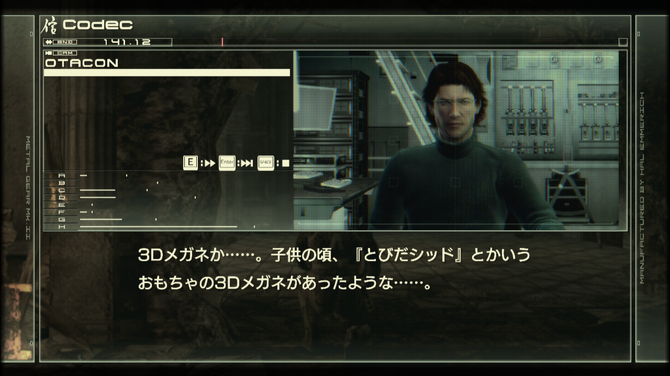
Incidentally, some of the radio conversations in *MGS4* even mention “Pop-Out Sid.” In the official canon, it appears to have been a pair of “toy 3D glasses” that existed during Solid Snake’s childhood.
How does this relate to the previous title, *MGA1*? *MGA2*’s unique take on “Snake” and the differing treatment of “Solid” in Japan and overseas

Although the time period for *MGA2* isn’t explicitly stated, the key to understanding it lies in the origins of this game’s “Snake” and its relationship to the previous title, *MGA1*.

As background for this game, human experimentation was once conducted at Strateg Logic, and Dr. Copersoon—whose name appeared in *MGGB*—and his wife were key figures involved.

The true identity of “Snake,” the protagonist of *MGA2*, is the “Snake Model”—a cloned weapon created as a byproduct of this research—which utilized data and cells from “Solid Snake” collected on Robito Island, the setting of the previous game.

Furthermore, three years prior to the events of the game, Snake was involved in the “Plaurio Massacre,” a massacre that took place in the Republic of Serena, and it all began when he lost his memory while fleeing the incident.
Organizing these events chronologically, including *MG1* and *MGGB*, yields the following timeline:
*MG1*: 1995
*MGGB*: 2002 (*7 years after *MG1*)
*MGA1*: 2016
“The Tragedy of Praurio”: 3 years before *MGA2*
“MGA2”: ????
Since Snake from this game already existed at the time of the “Tragedy of Praurio,” it is presumed that 『MGA2』 takes place in 2019 or later at the earliest.
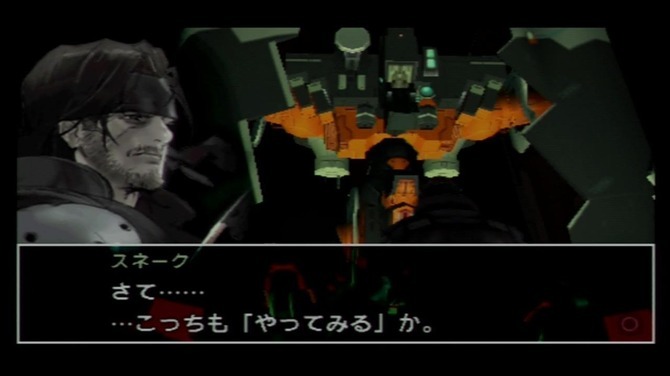
What’s interesting here is the whereabouts of the real “Solid Snake,” who does not appear in *MGA2*.
While it’s possible he’s been living out a peaceful retirement since the previous game, some international fans actually believe he’s “already dead.” At first glance, this sounds like an extreme fantasy, but the evidence for this comes from none other than the official English localization of *MGA2*.

While the Japanese version of *MGA2* explains that the protagonist was created from Solid Snake’s “data and cells,” the English version states, “We recovered his body from Lobito Island.”(*In English, “recover a body” primarily refers to “retrieving a corpse”).
At the end of *MGA1*, Solid Snake attempts to escape Lobito Island via a helicopter arranged by a certain individual, but that person was actually the “true mastermind.”If we follow the descriptions in the international versions, and considering that the aforementioned mastermind was after “Solid Snake,” a rather unsettling interpretation holds: “Immediately after the previous game, Snake fell into the mastermind’s trap and was killed right there on Lobito Island.”
While we cannot completely rule out the possibility of a simple mistranslation, given that the international version of *MGA2* was released in 2006—the year after the Japanese version—it’s possible that Mr. Nojiri added this element during the localization process.
Unresolved Plot Threads—The Beginning of a New Case?

While the main story of *MGA2* concludes neatly—including the showdown with the mastermind—there are several elements that could be used to expand the narrative further.

In an event triggered upon completing a second playthrough, after the main story’s events, a certain character modifies the program Snake used in combat during the game into software for a handheld game console. The story ends with this character plotting to distribute it worldwide, while anticipating the emergence of a second and third Snake.The series ended with this title, so it remains unclear what impact these plans had on the world that followed.
However, since this could also be interpreted as a twist where “the PSP game ‘MGA2’ you’ve been playing all along was actually that very program that was distributed!” opinions may differ as to whether it was a foreshadowing or not.
Already making a big splash before the main story even begins!? A prologue that seems ripe for a prequel

On the other hand, the “Resistance era in the Republic of Serena,” which is briefly touched upon in this game’s prologue—it’s said that Snake even infiltrated a military fortress alone—is glossed over with a few explanatory lines.

Since dialogue and graphics have been prepared even for his comrades from back then, I can’t help but think, “This could easily be developed into a standalone story in its own right.”
In Conclusion
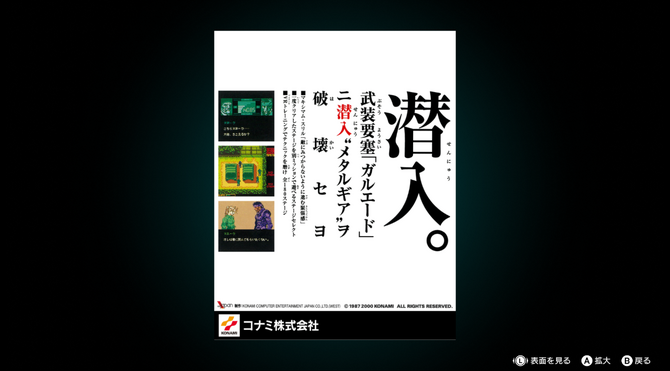
That concludes my introduction to *MGGB*, *MGA1*, and *MGA2*. Each title has its own unique charm and leaves room for untold stories.

Personally, just as *MGGB* was included in *Mass Collection 2*, I’d love to see *MGA1* and *MGA2* re-released—or, better yet, remakes with revamped systems or sequels. Even within the “deck-building roguelike” genre that has become established as of this writing, there may still be room for further system innovation.

Additionally, among the titles “listed in the official series chronology but not yet re-released” are *Metal Gear Rising: Revengeance* (which takes place after *MGS4*; *the PC version was released exclusively overseas*),as well as *Metal Gear Solid Portable Ops*, which was considered part of the main canon alongside other titles at the time of *MGS4*’s release.

There is enough content here to warrant a release as *Master Collection* Vol. 3, so I hope these titles will have the opportunity to be spotlighted alongside the others.



