


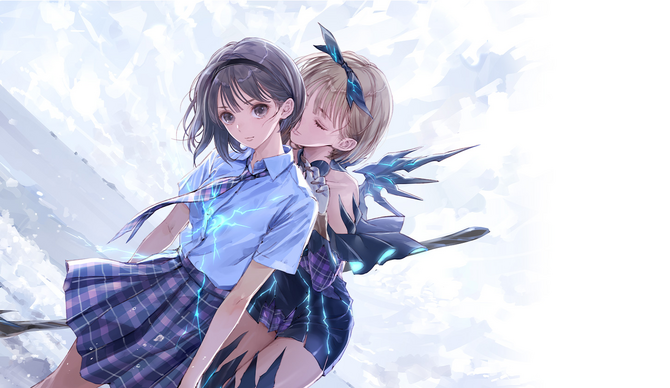
The protagonist fighting with a sickle is just too cool and cute! I really love this kind of design too~~~~~~~!
"BLUE REFLECTION Quartet: Shoujo-tachi no Kiseki (hereinafter “Blue Reflection Q”)”, currently available from Koei Tecmo Games, is a compilation title that brings together the four games in the series—from the first installment, “BLUE REFLECTION: The Sword of the Girl Dancing in a Dream” (hereinafter “Maboroshi”), to the latest entry, “BLUE REFLECTION TIE/Tei” (hereinafter “Tei”)—into a single package.
So far, Game*Spark has published a series of articles tracing the history and evolution of the “Blue Reflection” series, covering the first title, “Maboroshi,” through the third, “San.” And now, finally, we’ll introduce “Tei”—the latest entry in the series and the final title included in this compilation.

Come to think of it, my “Blue Reflection Q” series began with “I Know Absolutely Nothing About ‘Blue Reflection.’” “Tei,” which could be called the series’ grand finale—what kind of game has it turned out to be?
A story of girls surviving in a world that’s both beautiful and somehow mysterious
First, let’s talk about the world and story of *Tei*. At its core, this title stays true to the *Blue Rifle* tradition, with the story unfolding as high school girls engage in moments of flirtation and serious battles.
However, the setting in which the story unfolds is a bit unusual. That’s because the school where the game is set is a completely separate dimension—and a closed space.
The school, which serves as the player’s base in this game, resembles a deserted island surrounded by the sea—a mysterious space isolated from reality.
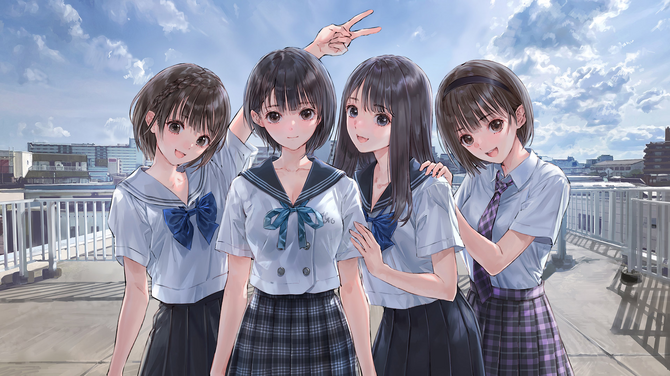
The protagonist, Aio Hoshizaki, who has wandered into this place, joins forces with three other girls—who, like her, arrived at this school and have lost all memory of how they got there—to unravel the mysteries of this world and discover her own true identity.
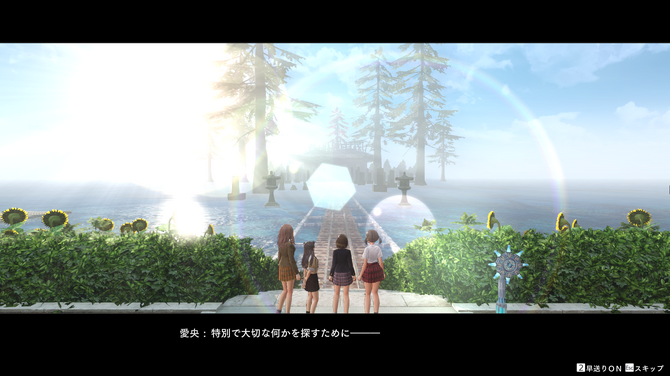
This basic storyline serves as a key hook that shapes the game’s somewhat otherworldly atmosphere. Although the setting is the familiar landscape of a school, there are only four people there. With no society or adults to support them, the girls must survive and navigate this world on their own.
Although the story begins shrouded in mystery, “survival” is not merely a narrative device. The game’s progression is centered entirely around this very survival.
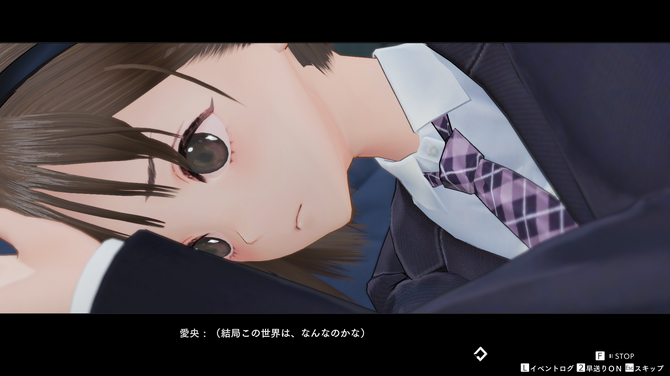
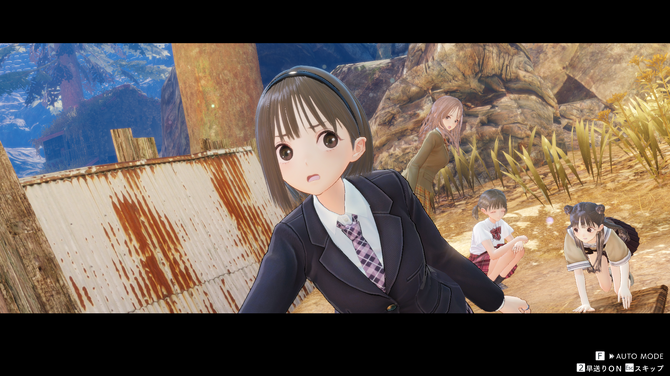
Within the game, there exists a mysterious space called “Kokorotope” that is connected to the school, where various food items, resources, and enemy monsters can be found everywhere. This area is separate from the game segments set within the school, and players will alternate between exploring the school and Kokorotope throughout the day.
In the Kokorotope area that stretches beyond the school, the story progresses as players explore, gather items, and unravel the mysteries of this space itself. With light stealth elements and action sequences required to navigate the terrain, it’s a place with a truly outstanding dungeon-like atmosphere.
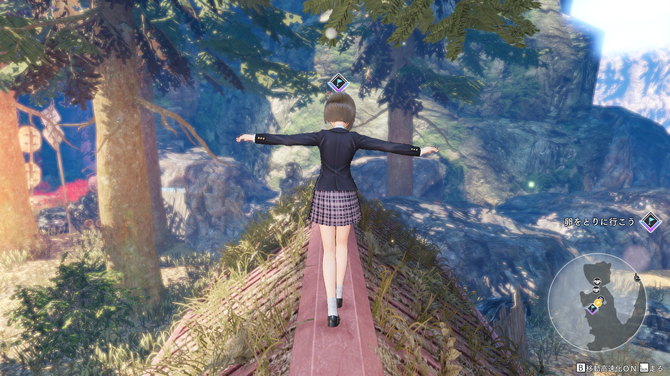
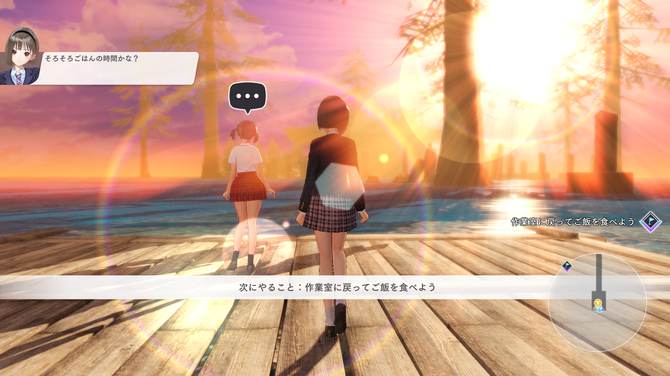
Of course, this game isn’t just a survival game where you’re merely struggling to survive in a harsh world. Inside the school, the girls get along well, cooking and doing crafts together, and chatting before bedtime—the game also depicts the charming side of these high school girls as they manage to find joy in their lives despite their loneliness.
Despite the harsh environment, their interactions have a certain heartwarming quality—a duality that reminded me of the atmosphere in the manga *Gakkō Gurashi!*.
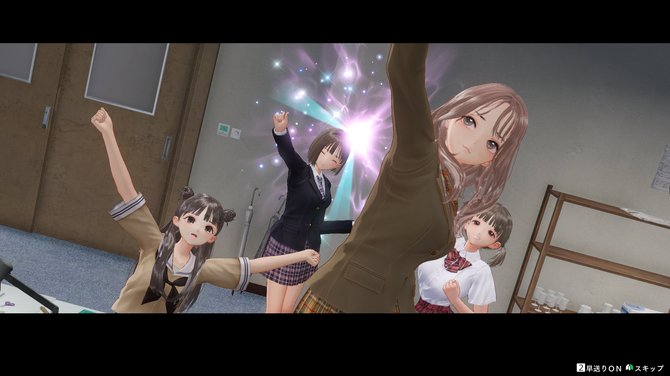
From the very beginning, the story unfolds in a world shrouded in mystery. Within this world, what do the characters think, and what will they come to learn? Players will experience this world and interact with the other girls from the perspective of the protagonist, Aio.
As for the answers that await them… well, I can’t say because that would be a spoiler, but I think it’s clear that this title has a slightly different flavor from the previous *Blue Rifle* series.
The contrast of high school girls fighting with sickles is irresistible
From here on, I’d like to talk about the battle system in *Tei*.
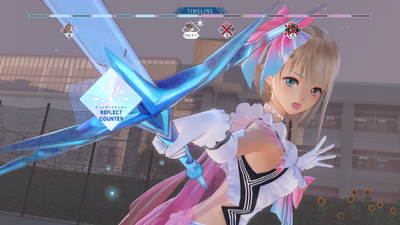
This game features real-time, command-based battles; in terms of the system, it uses almost the exact same battle mechanics introduced in the article for *San*.
Or rather, it seems the battle system in *San* for *Blue Reflection Q* was actually ported from this *Tei* version—so, in a sense, this is the original. As a result, there are more action options available in battle than in *San*, and I found the game to be very satisfying to play.
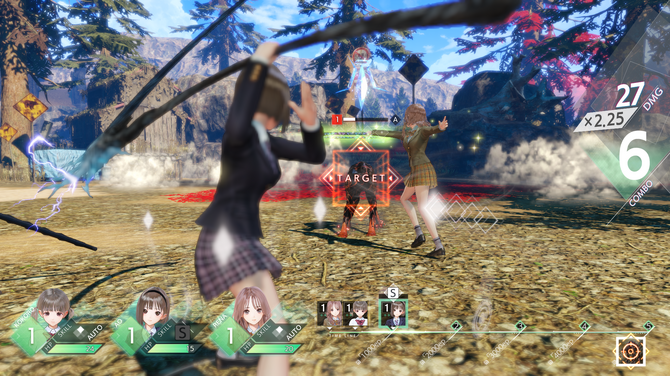
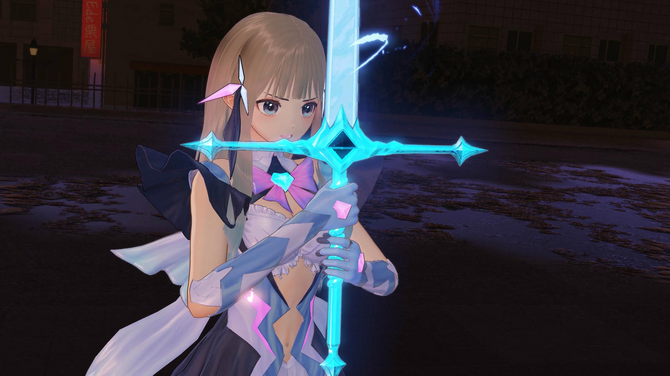
What I particularly liked was the system where the characters transform into “Reflectors” as their Gear level increases. The appeal of Blue Reflection certainly lies in the battle costumes, and the transformed forms of the girls in this game are simply stunning.
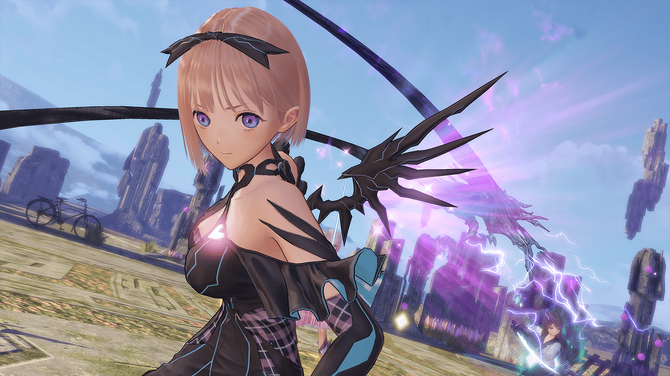
In particular, the protagonist, Aio-chan’s, transformed form has become one of my absolute favorite outfits in the *Blue Reflection* series.
A black-based color scheme, stylish little-devil (?) wings, and a massive scythe that’s almost as tall as she is… Has the protagonist ever worn an outfit like this before?
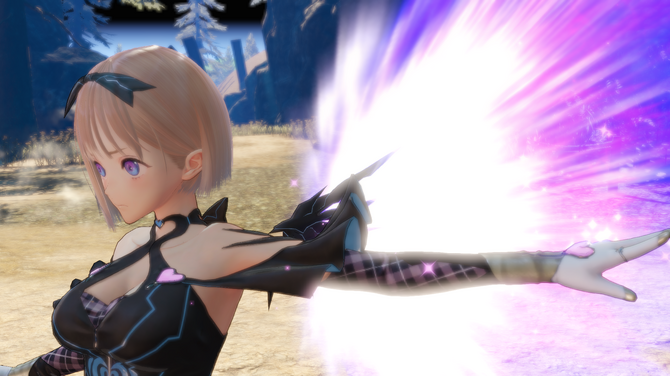
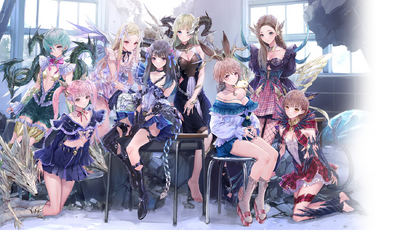
Of course, the other characters’ looks are also fantastic—every design perfectly balances coolness and cuteness.
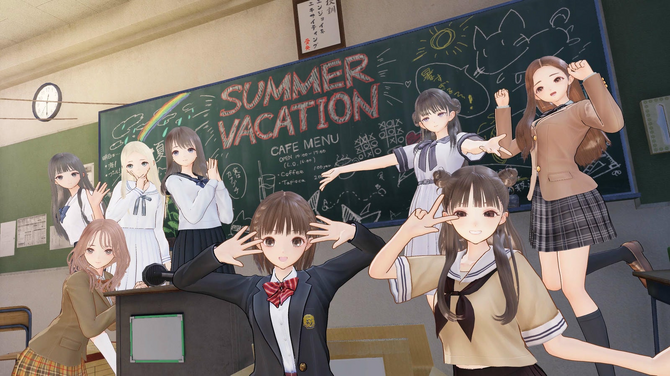
On top of that, characters from previous games join the fray partway through the story, so you can truly enjoy battles that feel like the ultimate “Blue Rif” compilation.
A Culmination and a Challenge
Now, looking at this title, I get the impression that it’s taking on some pretty ambitious challenges overall.
For example, there’s the story setting that blends survival with everyday life, the battle system that’s been completely revamped since *Maboroshi*, and the inclusion of a game segment called “Kokorotope” that’s separate from daily school life… In any case, these new elements really stand out.
On the other hand, the appearance of characters from past titles is a great treat for long-time fans, and the character portrayals—which form the core of the overall story—actually seem quite faithful to the series’ established conventions when viewed within the context of the entire *Blue Reflection* series.
In particular, the rich, yuri-style depictions of high school girls and the careful portrayal of each character’s emotional evolution felt like a solid continuation of the traditions cultivated throughout the series.
This is a work that masterfully blends elements that make you think, “This is what ‘Blue Rif’ is all about,” with others that make you realize, “So there’s this side of ‘Blue Rif’ too.” I felt it was a title that truly deserves to be called both a culmination of the series and a bold new challenge.
While *Tei* is currently the final installment in the *Blue Rifle* series, considering this title’s place within that timeline, I believe it’s a deeply moving work for fans as well.
To all the players who have followed the *Blue Reflection* series this far, and to the fans who dream of the *Blue Reflection* series’ future—I felt that this title contained both of these messages.
*BLUE REFLECTION Quartet: The Miracles of the Girls* is now available onPS5, Nintendo Switch, Nintendo Switch 2 (download only), andSteam.





