From the late 1990s through the early 2000s, the home video game market experienced a golden age of survival horror, sparked by the global success of *Resident Evil*.
Then, on February 24, 2000, Jaleco released “Carrier” (hereinafter “Carrier”), a survival horror game exclusive to the Dreamcast (hereinafter “DC”).

Set aboard the “Heimdall,” a state-of-the-art U.S. Navy nuclear-powered aircraft carrier that has gone missing, the game follows protagonist Jack Eaglefeather—a member of a special forces unit—and his team as they confront the threat posed by “ARK,” an unknown plant-like lifeform that has infested the ship.
The game features full real-time 3D polygon rendering and incorporates a “scope system” designed to help players spot enemies that mimic humans, showcasing an extremely ambitious design that fully leverages the capabilities of the next-generation console, the DC.
However, a tragedy struck prior to the game’s release: on February 3, 2000, *Resident Evil: Code: Veronica*—hailed as the definitive survival horror game—was released.
With such a massive, highly anticipated title released just before its own, *Carrier* was swept away by market forces and followed the path of an “unappreciated gem,” buried and forgotten by many players.
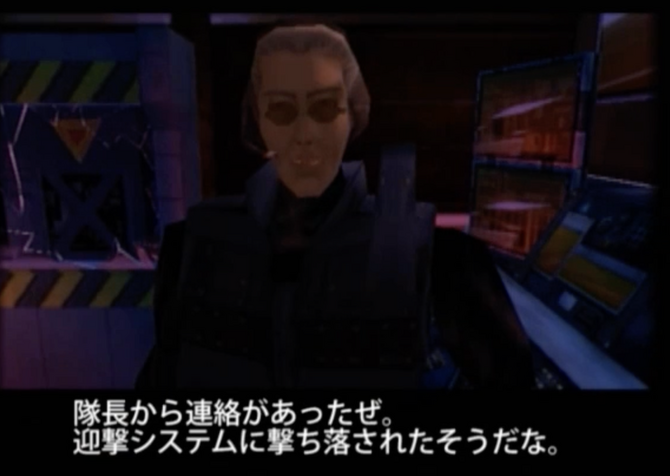
In this article, we’ll unravel the gameplay experience of *Carrier*—a game that, despite this misfortune, is loved for its cutting-edge technical approach, unique systems not found in other horror games, and even its quirky quirks—and take this opportunity to revisit the charm of this hidden gem.

◆ The Tragedy of the Aircraft Carrier “Heimdall” and the Visual Realism Brought by Full 3D

In the survival horror genre, setting and visual presentation are core elements that determine the nature of the fear.
The location chosen for this game was the U.S. Navy’s state-of-the-art, massive nuclear-powered aircraft carrier “Heimdall,” which suddenly lost contact while conducting an operation to recover ancient creatures from an extremist organization in the Pacific Ocean. This massive, pitch-black iron fortress—isolated from land and offering no escape—serves as the stage that underpins the game’s story.
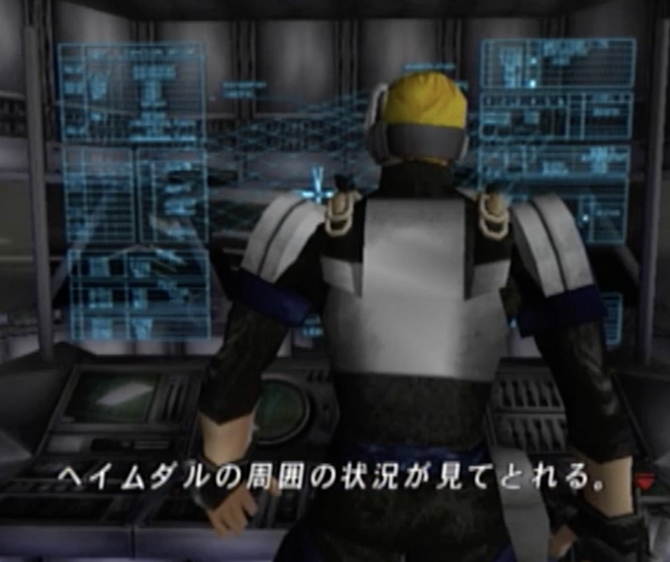
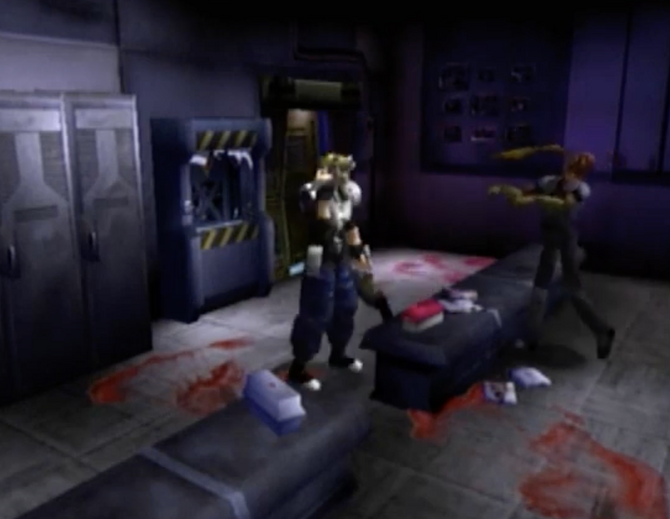
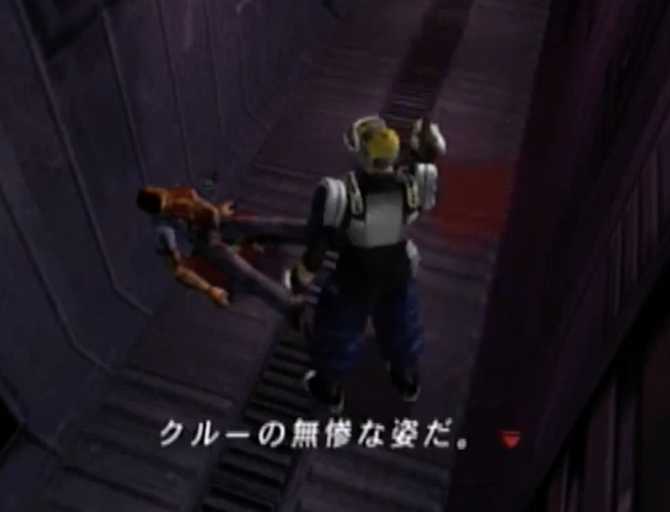
What awaited the protagonist Jack and his team, dispatched for an investigation, was a scene of utter devastation: military discipline had collapsed, and the crew—parasitized by the mysterious lifeform ARK—had been transformed into monstrous creatures.
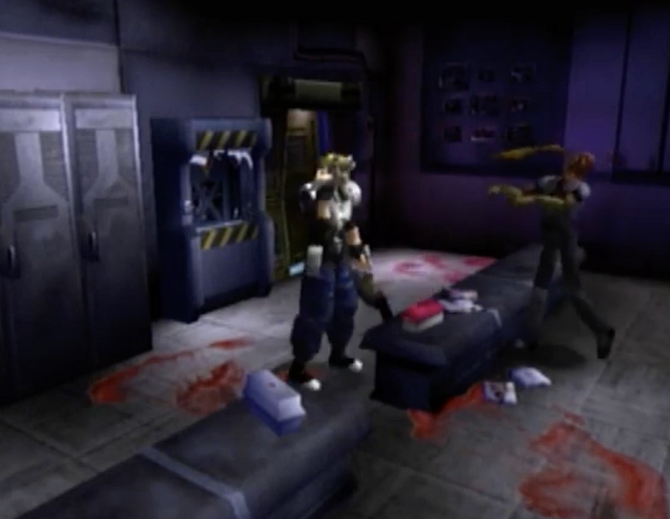
The infected humans take on a zombie-like appearance and manner of movement—their heads split vertically to expose plant-like tentacles, or their bodies twist and contort.
However, what sets *Carrier* apart from *Biohazard* is its design, which places “body horror” front and center.The grotesque designs of the monsters and the merciless depictions of body parts—such as heads and arms being blown off—likely instilled a stronger sense of physical revulsion and oppression in players than even *Bio*.
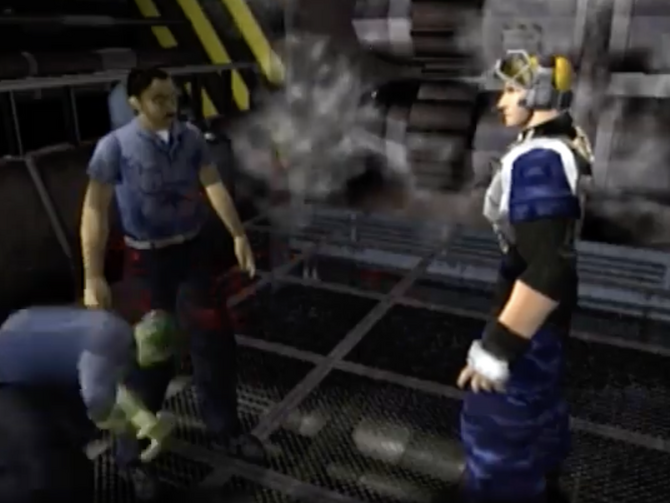
The game’s greatest challenge was rendering every element—including the backgrounds—using smooth 3D polygons. At the time, the mainstream approach in survival horror games was to place 3D character models against fixed 2D background images. While this method allowed for beautiful backgrounds, it came with the limitation of fixed camera angles.
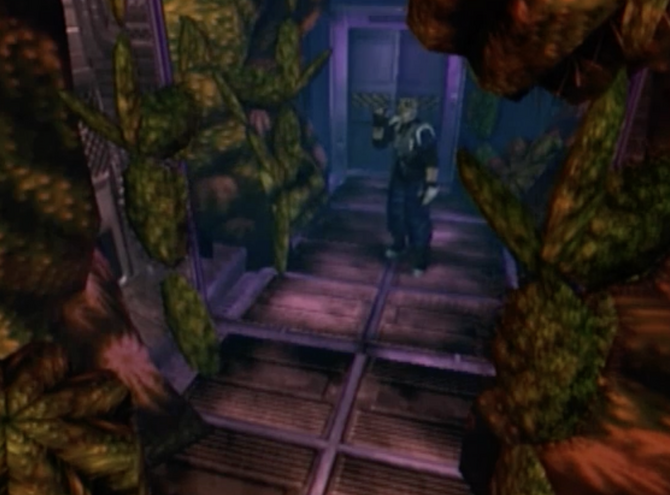
In contrast, this game fully utilized the rendering capabilities of the next-generation Dreamcast hardware to achieve a dynamic field of view, with the camera smoothly tracking and panning in sync with the character’s movements.
As a result, the three-dimensional spatial structure itself functions as a source of terror. The sense of immersion and fear created when enemies suddenly appear from blind spots as the camera moves—allowing players to experience the “visual realism” unique to full 3D—was, I believe, a charm unique to *Carrier*.
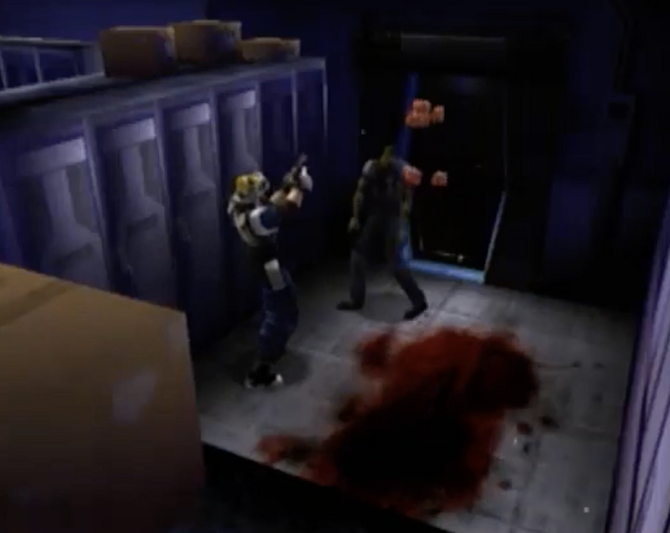
Additionally, the story is notably influenced by Hollywood sci-fi horror films from the 1980s and 1990s.The entire work was brimming with the rich entertainment value characteristic of B-horror films—from the despair-inducing plot where trusted companions are infected one after another and transformed into monsters, to the harrowing situations conveyed over the radio, and the cinematic dialogue that, while exaggerated, carried a certain melancholy.
◆ The Fun of the Groundbreaking “Scan System”—Something “Bio” Lacks
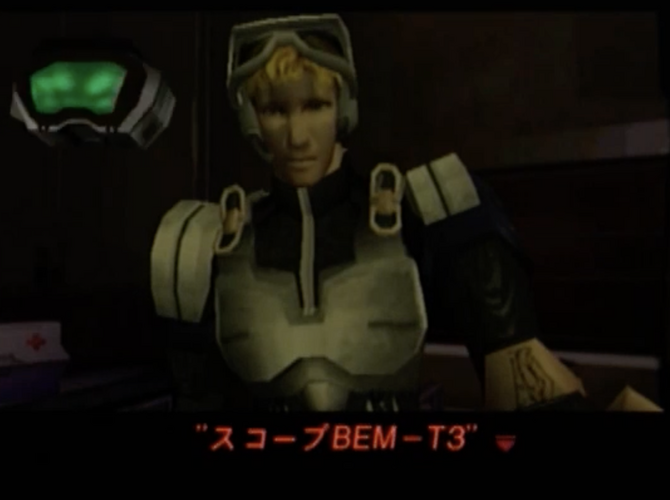
The reason *Carrier* didn’t end up as a mere imitation of *Resident Evil* was that it featured a unique scope system called “B.E.M.S. (Bio-Emission Scanner).”
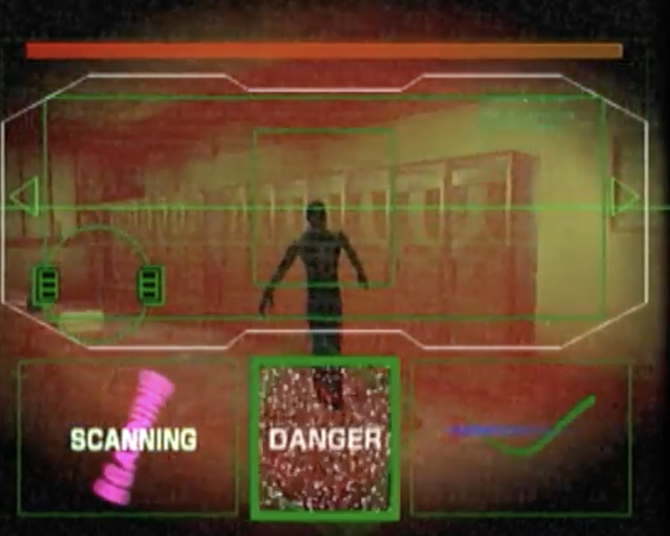
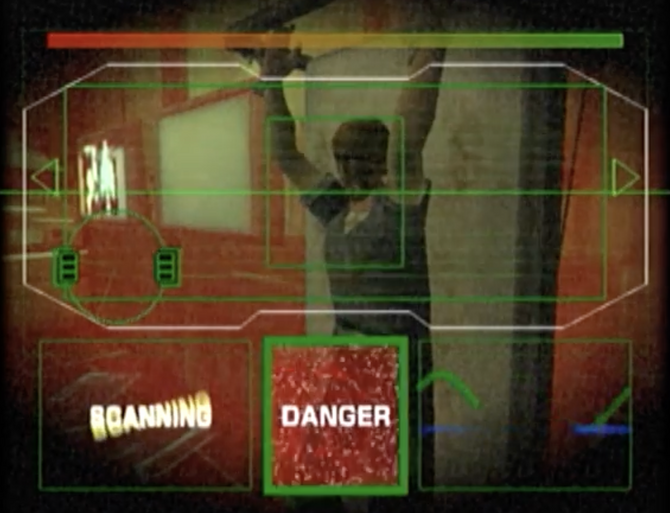
By wearing the goggle-type “Scope BEM T-3” device, players could scan their surroundings from a first-person perspective. This was more than just a tool for changing the field of view; it played the following crucial roles at the core of the gameplay:
Identifying Disguised Infected: Humans infected with the virus are visually indistinguishable from uninfected people. However, observing them through the scope makes their internal infection status visible. The screen displays a “SAFE” warning for uninfected individuals and a “DANGER” warning for those infected.
This system—which required players to first look through the scope to determine whether a figure was human or monster—created a powerful sense of distrust and tension reminiscent of the movie *The Thing*.Detecting Invisible Enemies: You can use infrared and other technologies to detect special enemies invisible to the naked eye, as well as creatures lurking on ceilings or around corners.
Seeing Through Walls to Find Hidden Items and Passages: You can use an X-ray scan to see through walls, lockers, and compartments to discover hidden ammunition, items, and secret passages.
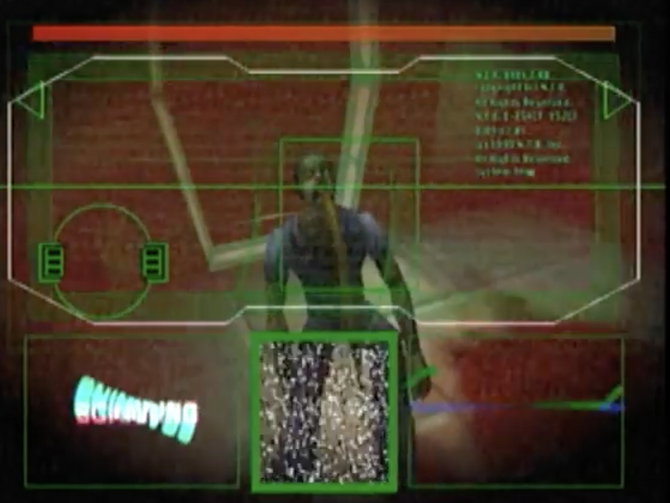
In this way, it is an undeniable fact that this groundbreaking system—which added tension and a new sense of fear to the gameplay—created a unique kind of fun not found in the *Bio* series.
On the other hand, since this innovative system carried the risk of disrupting the pace of gameplay, it also became a factor that diminished the sense of exhilaration for players seeking fast-paced action.

However, it is also true that this sense of frustration—not knowing whether a figure was human or monster—served as an effective source of fear that kept players constantly on their guard, making it an ambitious attempt that seamlessly blended presentation and gameplay.
◆A Underrated Masterpiece Deserving of Reappraisal

Looking back on the ill-fated history of this game, there is one insurmountable obstacle: the timing of its release. The fact that it was released immediately after a major title boasting overwhelming brand power can only be described as sheer bad luck.
However, sales figures and market recognition do not directly determine a work’s intrinsic value. Precisely because it was buried in the shadow of a blockbuster, the pioneering challenges and original approaches embedded within it still shine with undimmed brilliance today.
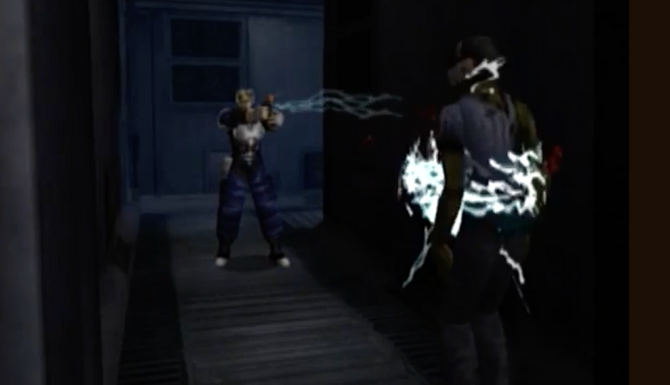
The spatial representation—achieved entirely through real-time 3D polygon graphics, including the backgrounds—symbolized the shift from the era of fixed cameras to a new era of action horror.
Furthermore, the attempt to let players experience “invisible terror” through its unique “Scan” system is proof that this was not merely a *Resident Evil* clone.

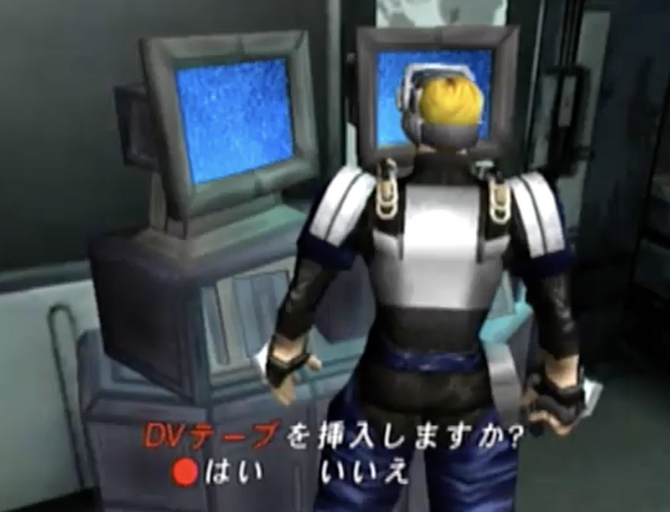
Although it has been buried in gaming history as an underappreciated title, this highly polished survival horror game—packed with the sharp ambition unique to a transitional period and a deep love for B-movie horror—is a “hidden masterpiece” worthy of proper recognition and will surely continue to be talked about among horror game fans for years to come.
Since it hasn’t been ported to current-generation consoles or made available for digital distribution, the barrier to playing this title is high, but it’s definitely worth giving a try.