


The release of *SILENT HILL: Townfall*, the latest installment in KONAMI’s psychological horror series *SILENT HILL*, is fast approaching on September 24, 2026 (early access is already available).
The protagonist, Simon Odell, washes ashore on the isolated island of “St. Amelia.” Guided solely by his goal to “set things right,” he wanders through a town shrouded in thick fog, eventually confronting both the town’s dark secrets and his own past.
According to Motoki Okamoto, producer of the “SILENT HILL” series, *SILENT HILL: Townfall* will be the most socially conscious title in the series, telling a story within the framework of the relationship between the individual and society, and between the individual and corporations.The tagline, “This society forgives the absurd,” also hints at the game’s exploration of social themes.

“SILENT HILL: Townfall” is a standalone, completely new title with no connection to previous entries. However, I sense that there is “something” common to the “SILENT HILL” series.
So, what exactly is this common element? In this article, I’ll delve into a specific theme depicted primarily in the first through fourth installments of the “SILENT HILL” series.

Please note that due to the nature of this article, it contains major spoilers primarily for the first four games in the “SILENT HILL” series. Those who haven’t played them yet or plan to play them in the future should proceed with caution.
The driving force behind facing one’s fears is—
A fear as unpredictable as a town shrouded in fog. An alternate world where familiar places are transformed beyond recognition and attack you, filled with the stench of blood and rust. Creature designs that embody the fears lurking within oneself—so unforgettable that once seen, they’re impossible to forget.Sounds—such as radio static—that stir up anxiety and make you want to flee the scene…
These are the elements that define the “SILENT HILL” series. The strategic challenge of managing ammunition and stamina—a hallmark of survival horror—as well as its multiple endings are also indispensable.
The genre “psychological horror” is defined as a story in which the protagonist confronts their own trauma, inner conflicts, guilt, and past within their psyche to find answers.At CEDEC 2026, Motoi Okamoto explained that the events and creatures in the game are metaphors for the characters’ psychology, and that the very act of wandering through the world is itself a metaphor for a psychological process.
However, there is another important element common to the series: “love”—the driving force behind human actions—and specifically, “family love.”All of the protagonists take action for the sake of their families.
However, when it comes to families, there aren’t many that could be called “normal.” The only family that could be described as “normal” is perhaps “James Thunderland” and “Mary” from *SILENT HILL 2*.

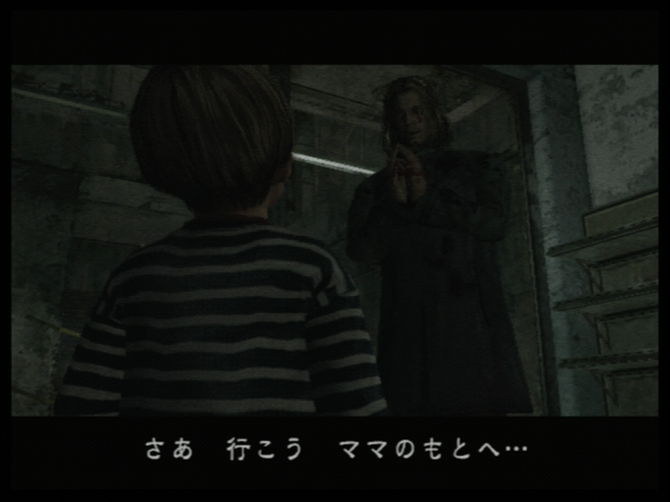
In the first *Silent Hill* game, the protagonist, Harry Mason, searches the monster-infested town of Silent Hill for his daughter, Cheryl, who has suddenly vanished. However, Harry and Cheryl are not biologically related.He and his late wife found an unidentified infant near the highway and took her in.
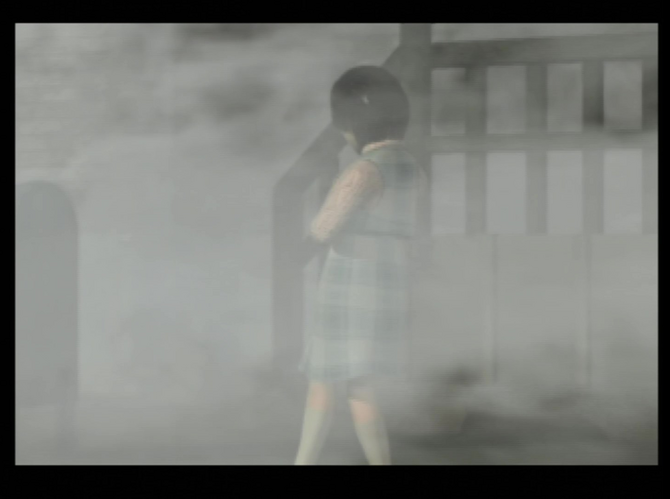
Cheryl is the daughter of “Dahlia Gillespie,” a high-ranking member of the “Cult” entrenched in Silent Hill“Dahlia Gillespie,” a high-ranking member of the “cult” entrenched in Silent Hill. The general truth behind *SILENT HILL* is that Alessia Gillespie—Dahlia’s daughter—could no longer endure seven years of abuse and torture, so she summoned Cheryl.The first game features four endings (plus a UFO ending), but in none of them can Harry rescue Cheryl. However, in the GOOD and GOOD+ endings, Harry receives a new life from Alessa and returns from the alternate world.
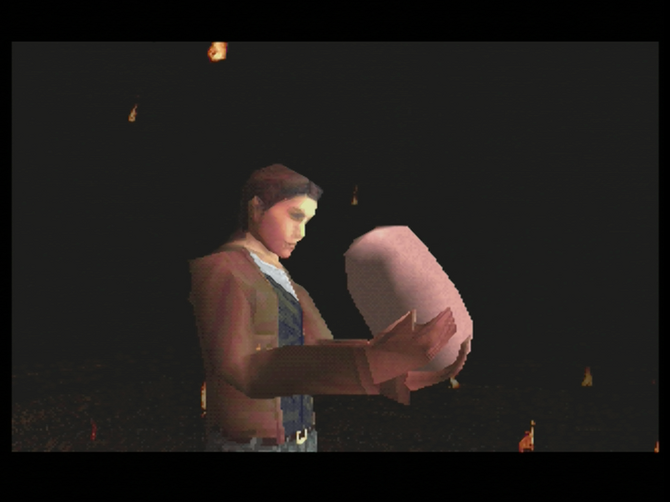
Despite being exposed to the town’s dark underbelly and facing life-threatening situations time and again in the alternate world, Harry continued to search for her solely to save his daughter. Even if they weren’t biologically related, to Harry, Cheryl was undoubtedly his one and only daughter.From the very first game, *SILENT HILL* has been about facing fear in the name of love for family.
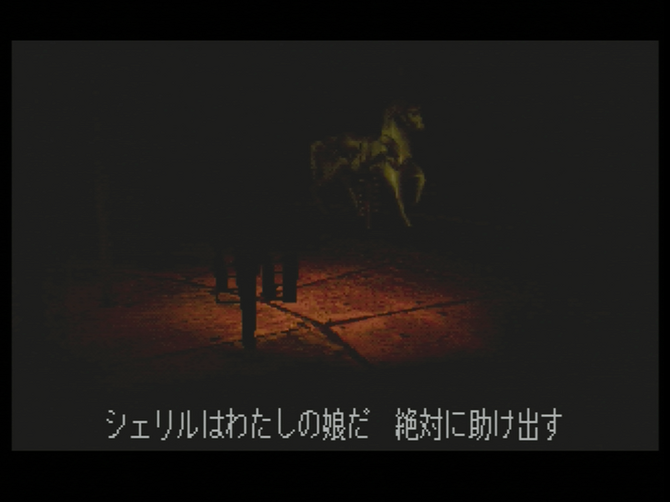
In *SILENT HILL 2*, the protagonist, James, visits Silent Hill—the town filled with memories of the two of them—based on a letter he received from his wife, Mary, who died three years earlier. Even though he knew it was impossible for a dead person to send a letter, he went anyway, in order to see Mary.
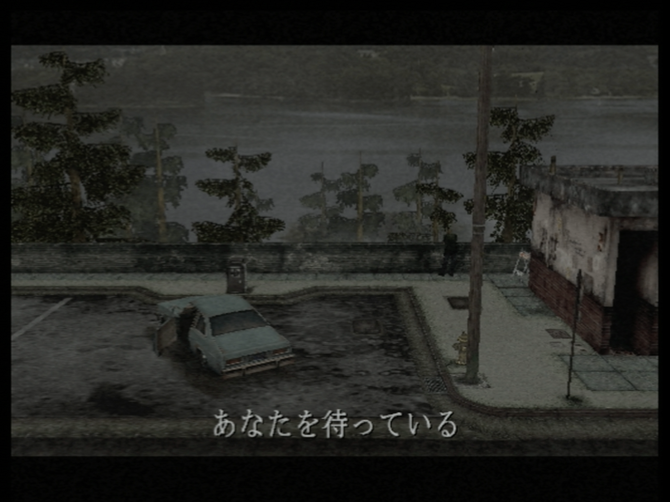
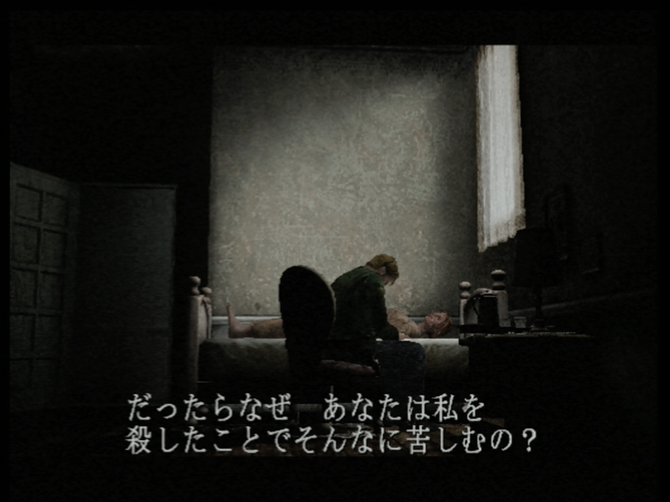
Like Harry, James encounters people who have also become lost in Silent Hill, and as he fights off the monsters that attack him, he walks through the fog in search of his beloved wife.However, the truth is that Mary, the wife James was searching for, is not actually alive, nor is she someone’s other half, like Cheryl… He had, in fact, taken Mary’s life with his own hands.
*Silent Hill 2* depicts how “love”—the very thing that had driven James forward—was ultimately not enough. While his desire to “see his beloved wife” gave him the strength to confront his past, it was precisely because he loved her that he suffered, and the two met such a tragic end.
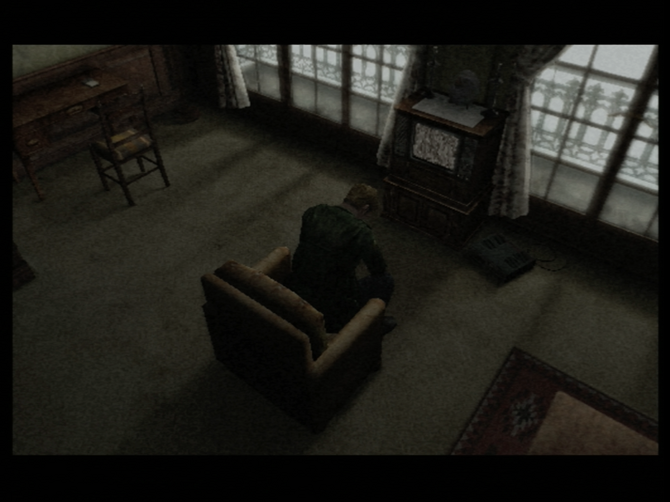
Similarly, “Angela,” who also came to Silent Hill in search of her mother, was unable to escape her father’s control precisely because she was “family,” and ultimately took her own father’s life.
A similar dynamic was seen in *SILENT HILL* with the blood-related mother and daughter, Dahlia and Alessa; however, while this theme was limited to certain parent-child pairs in the first game, by the second installment it was placed at the very center of the story with James and Mary.The notion that “love” alone can overcome anything—and that families are happy because they have “love”—is now explicitly refuted.

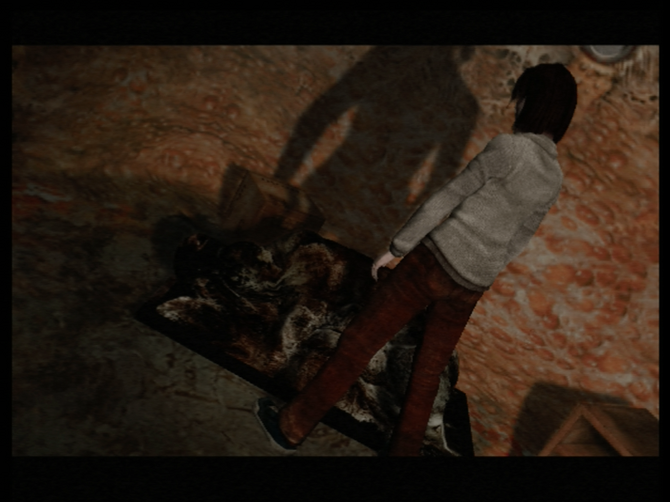
In *Silent Hill 3*, the protagonist, Heather, differs from the protagonists of the previous two games: the story begins with her becoming lost in a parallel world roamed by monsters, without knowing why. At first, she fights the monsters with the goal of escaping the parallel world and returning home, but she eventually learns the truth about her own birth.
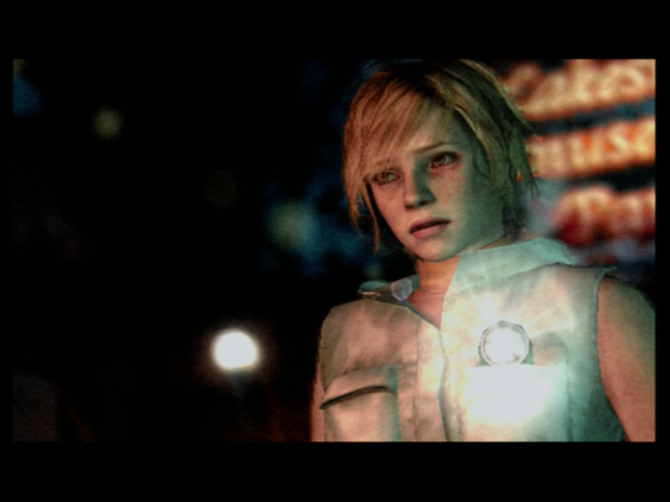
Although her true identity is hinted at to some extent from the beginning, Heather is the baby that Harry received from Alessa at the end of *Silent Hill*—in other words, the reincarnation of Alessa and Cheryl.By the time Heather returns home, her father, Harry, has already been killed by a monster sent by “Claudia,” a member of the cult.
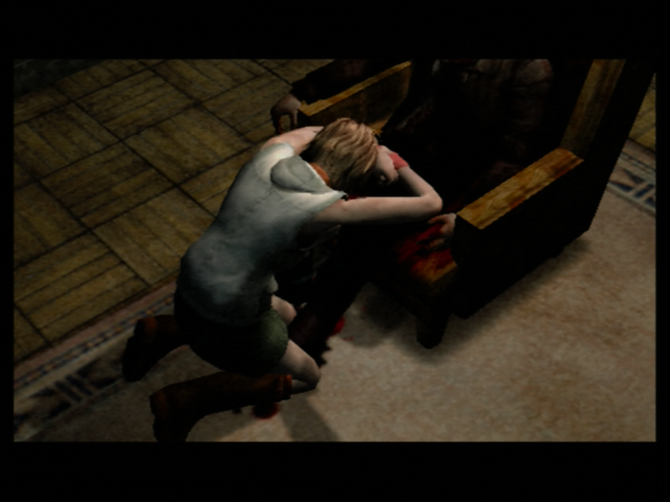
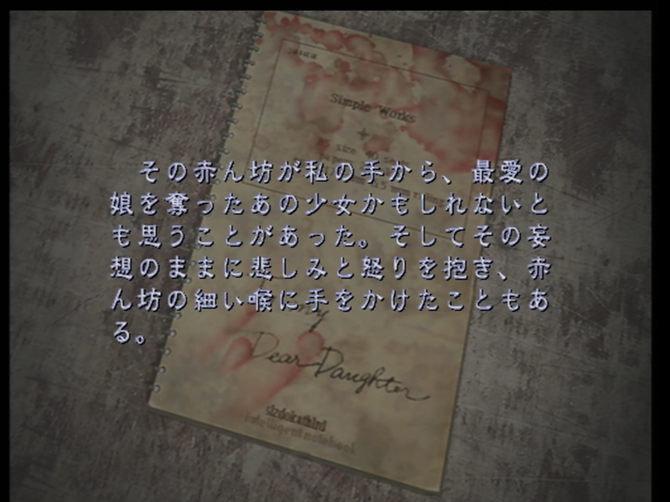
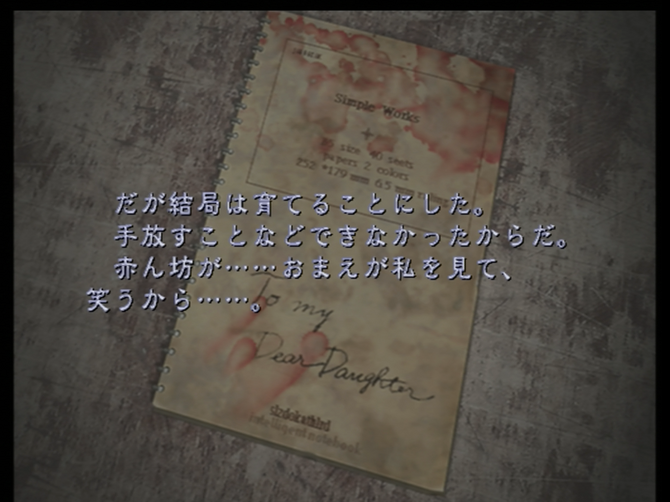
From Harry’s diary, Heather learns that she was the baby born to Alessa, and that Harry—though terrified and tormented by the child—had decided to raise her as his daughter.Harry raised her—a being whose very humanity was uncertain—with love. Nurtured by that love, Heather, in turn, loved Harry as if he were her own father; it was precisely because of this that she resolved to take revenge on Claudia and set out for “Silent Hill,” the place where it all began.
Heather wasn’t the only one who regarded someone as family. Claudia, the target of her revenge, also adored Alessa as if she were her own sister and desperately tried to reach out to the part of Alessa that lay dormant within Heather.
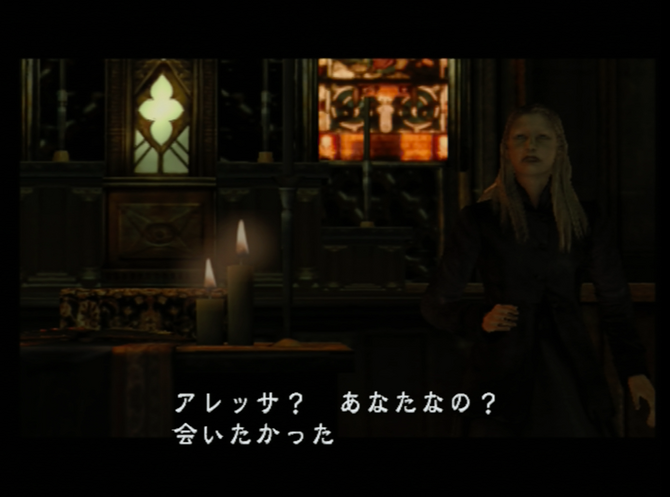
In this way, *Silent Hill 3* shifted away from the typical father-to-child or husband-to-wife dynamic, becoming a story that depicts “love” from child to parent. Heather, who had always been the one protected, now faces her own destiny for the sake of her beloved father, Harry.The theme of familial love transcending blood ties, present since the first game, has been passed down through two generations—Harry and Heather—while taking on new forms.
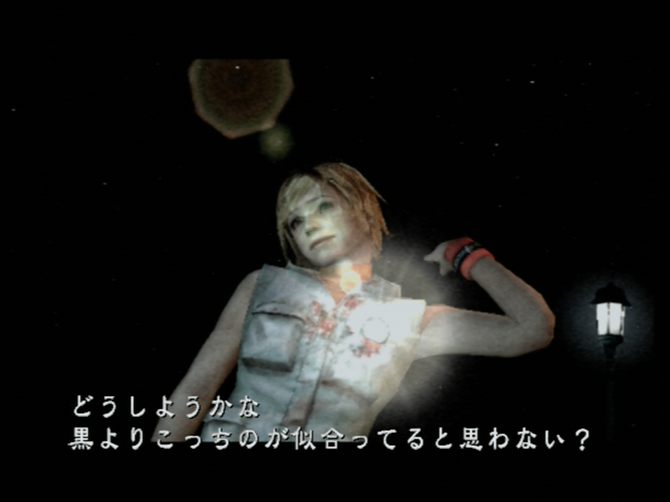
The protagonist of the fourth installment, *SILENT HILL 4: THE ROOM* (hereinafter *SILENT HILL 4*), “Henry Townsend,” does not confront his fears for the sake of irreplaceable family members like Harry or Heather, nor does he confront his own past, sins, or trauma like James did.While the three protagonists before him were all driven by “love,” Henry stands as the sole exception. He has only one goal: to escape from his apartment room, Room 302.
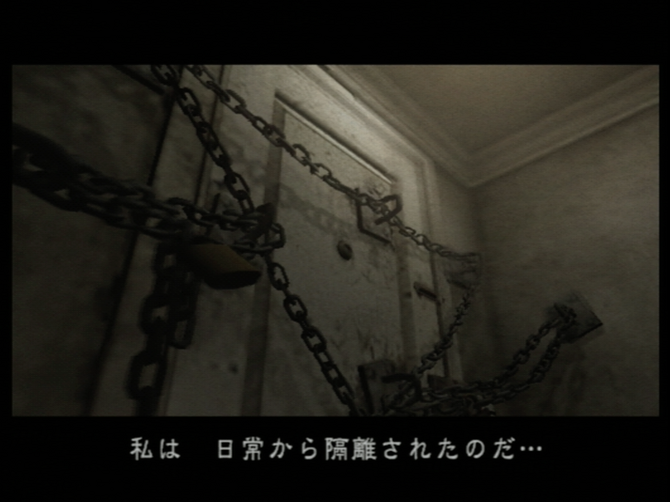
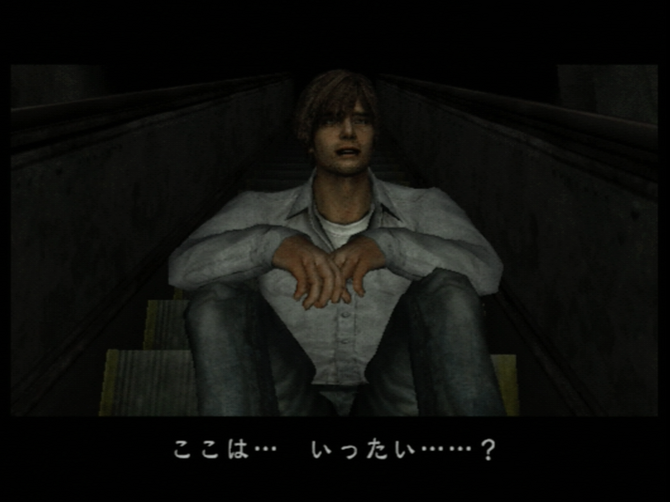
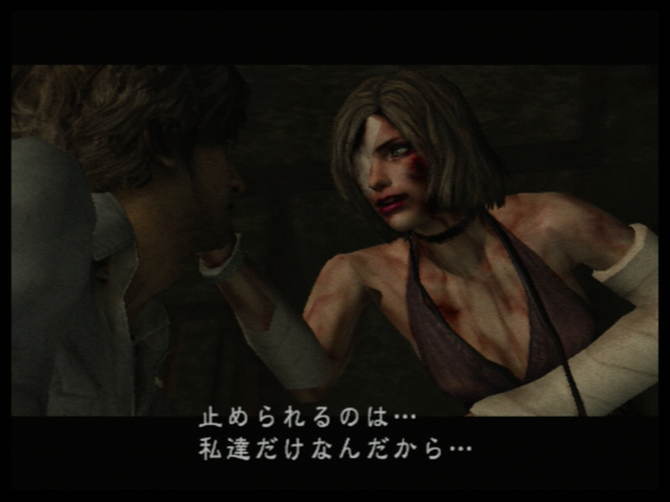
From the middle of the game onward, he teams up with his neighbor, “Irene Galvin,” but the story never develops into a situation where Henry takes action out of love for her. Of course, they care about each other, but this is largely due to their shared circumstances and their role as allies with a common goal.
So, who possesses that “love—the will that drives a person”? It is “Walter Sullivan,” the very man who trapped Henry in Room 302. As an unwanted child, he was abandoned by his family the moment he was born. The pure desire he harbored in his childhood—"I want to see my mother; I want to be loved"—eventually became intertwined with the cult’s teachings. In order to fulfill that wish, he sacrificed numerous people, ultimately triggering the "Descent of the Virgin."
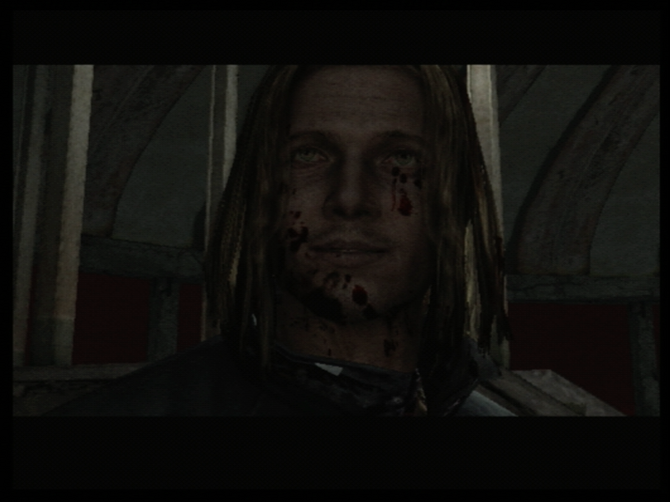
He has almost no connection to the protagonist, Henry, or to “Silent Hill”; rather, it is Walter—the antagonist—who is portrayed as a character driven by love and deeply connected to Silent Hill and his family. In *SILENT HILL 4*, the theme of “love,” which the protagonists have traditionally embodied throughout the series, has been shifted to the enemy side.
Not everyone loves their family unconditionally.The confined space of “home” can bind people, and in the pursuit of “love,” it can even become a blade that wounds others. It can be said that *SILENT HILL 4* depicts the darker aspects of love and family inherent in the *SILENT HILL* series with even greater intensity.
“Love” and “Society”: Evolving and Enduring
So far, we’ve looked back at the first four games through the themes of “love” and “family,” but the “social” elements and horror that *SILENT HILL: Townfall* is said to focus on have also been depicted in previous entries in the series. These themes are particularly prominent in *SILENT HILL 2*.
The fact that James did something irreversible in an attempt to free Mary from her suffering wasn’t simply because he was weak or a bad person. It was the result of a confluence of various social factors: the financial burden of treating Mary’s serious illness, the difficulty of relying on those around him, and the lack of adequate support.Although the Sunderlands are young, their situation shares similarities with the structure of common caregiving issues.
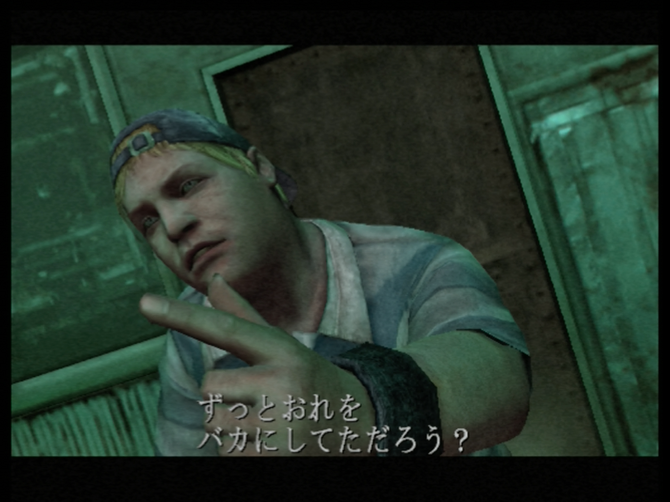
The “abuse” Angela suffered at the hands of her father included sexual abuse, and although women’s social standing and perception have changed, sexual abuse perpetrated by men against women remains all too common. The “bullying” that ultimately led to Eddie being lured to Silent Hill was also rooted in his physique.Under a social norm that deems thinness to be beautiful and correct, while being overweight is considered ugly, Eddie was targeted for bullying.
The themes of “love,” “family,” and “social fear” have been carried forward into recent entries in the *SILENT HILL* series, such as *SILENT HILL: The Short Message* and *SILENT HILL f*.
While *SILENT HILL: The Short Message* deals with “teenage suicide” as a major theme, it also explores the effects of neglect and social media, as well as the harm and fear experienced by women. Ultimately, it is the “love” of her friend Amelie that saves the protagonist, “Anita.”Unlike the first four installments, which centered on familial love, this work focuses on the love between friends.


Set in Showa-era Japan, *SILENT HILL f* addresses various elements stemming from gender norms that remain deeply ingrained today, such as the social implications of “marriage,” people suffering from societal expectations of “masculinity” and “femininity,” and the power of the “father” under patriarchy.A common thread between the two works is that the very position of being a “woman”—which is also reflected in Angela’s background mentioned earlier—is intrinsically linked to fear.


In this way, the “SILENT HILL” series has continued to portray human “love” from multiple perspectives.Furthermore, social issues and horror have long been central themes in the series. “Horror” is an emotion that arises in response to the unknown or to the abnormal—that which is “out of the ordinary”—and it is inextricably linked to concepts and social aspects prevalent throughout society.
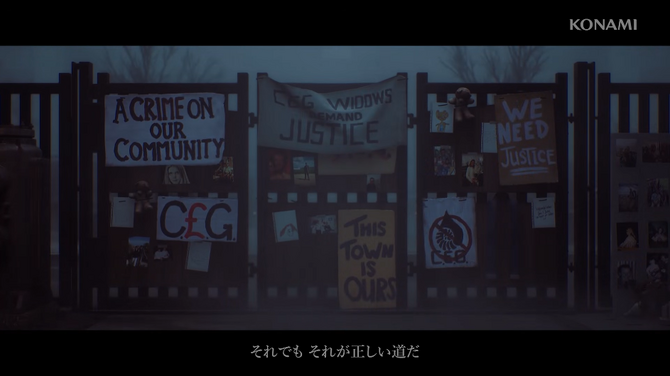
As a completely new title with no connection to previous entries, how will *SILENT HILL: Townfall* inherit the series’ core themes of “love” and “social horror,” and portray them in a new form? It’s even possible that this game might be entirely devoid of any elements of “love.”I’m looking forward to seeing the full picture of this title—described as “the most socially conscious entry in the series”—very soon.



