


This series features interviews with the developers of intriguing new indie games. In this installment, we present a mini-interview with the developers of *How to Fish*, a physics-based fishing simulator developed by Dazed Games and released for PC on August 20.
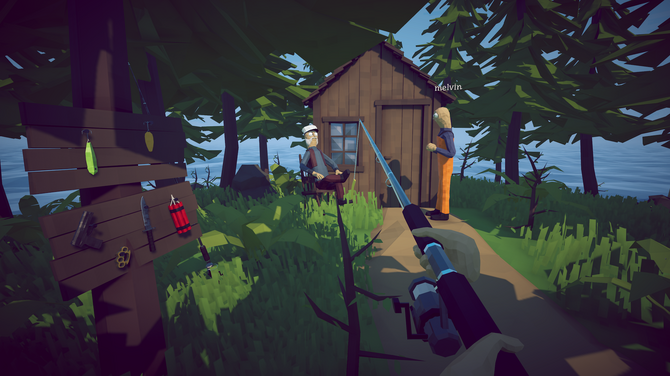
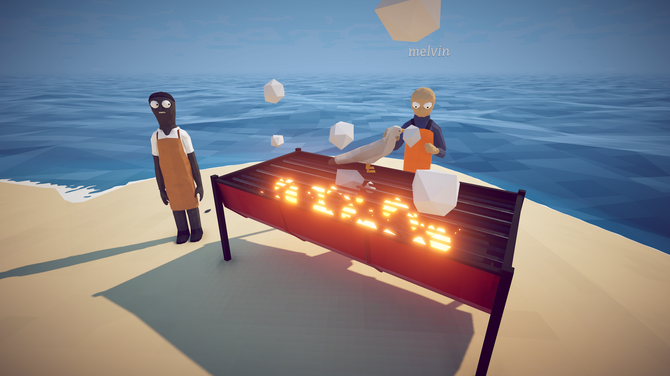
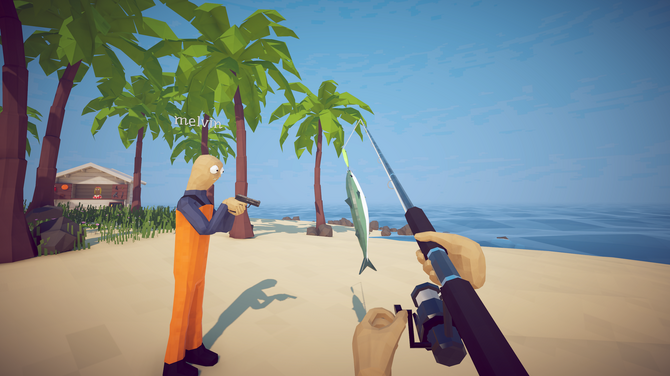
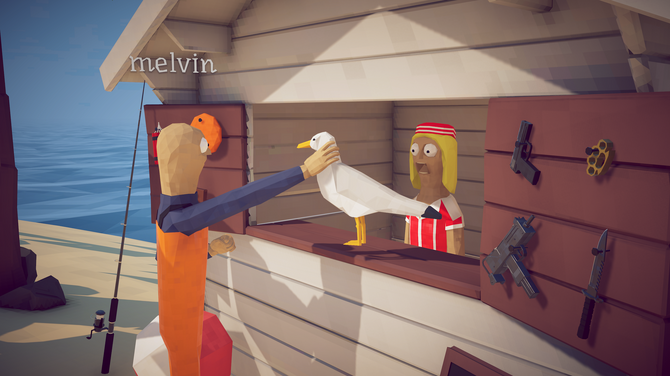
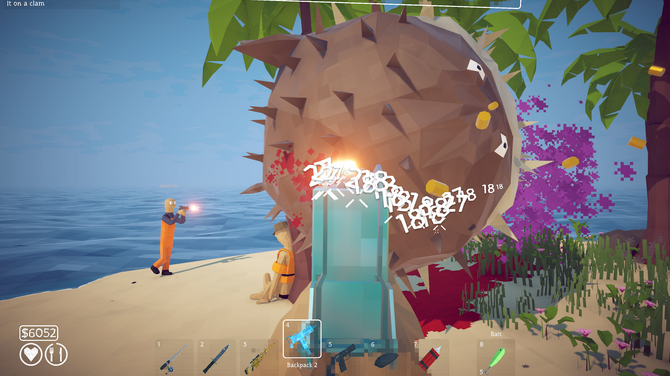
This game is a first-person, physics-based fishing simulator that supports both single-player and online co-op for up to four players. Players start on a small island where they’ve washed ashore by chance, with absolutely no equipment. They must catch fish, gut them, and sell them to earn money, which they can then use to purchase tools and weapons. The game is also available in Japanese.
“How to Fish” is available for 880 yen.
――First, please introduce yourselves. What’s your favorite game?
Carl-Vilhelm: We’re a duo of game developers from Sweden (me, Carl-Vilhelm, and my friend Melvin) who met in high school.
If I had to name my favorite game, I’d say it’s *League of Legends*, the game I’ve spent the most time playing so far. Melvin says his is *Battlefield*.
――Please tell us about the game’s key features. Also, how did you come up with the idea?
Carl-Vilhelm: I think what sets this game apart from others is its “feel” and “physics.” We spent a tremendous amount of time fine-tuning the controls to ensure that the weapons and items the characters use feel exactly as we envisioned.
――Were there any games that influenced the development of this title?
Carl-Vilhelm It all started when we created a prototype of *How to Fish* during a 2022 game jam (a one-month development period).Since the theme of that Game Jam was “the coast,” and both of us had played a mobile game called *Ridiculous Fishing* when we were younger, we decided to try adapting that idea into an FPS using our own distinctive cartoon-style physics.
In this prototype, you’d reel in a fishing line dropped into the water, fling the fish into the air, and then tap the screen to shoot it down. We worked on this for about one to two months, but as we got busier with college assignments and other projects, we decided to put this project on hold for a while.
Later, when our first game, *Out of Hand: Deluxe*, which we released on Steam in 2025, didn’t perform as well as we’d hoped, we decided to resume development on *How to Fish*.
――Please tell us about one of the most memorable moments during the development of this game.
Carl-Vilhelm: There were numerous highlights, from the early stages of development all the way through to the release. The biggest event, however, was receiving support from Evil Landfall.They’re a studio that has been making the kind of games we’ve always wanted to create for about 10 years, so they’ve been role models for Melvin and me ever since we met in high school. When they replied to our email and showed interest, I couldn’t believe it, and I’m truly grateful that they’ve become our allies.
Also, since the game’s successful release, it’s been a real joy to watch streamers play through the game and read articles and player feedback about it!
――What kind of user feedback have you received since the release? Could you share something that particularly stood out to you?
Carl-Vilhelm: We’ve received an overwhelming amount of feedback! We’ve gotten tons of emails, Discord messages, comments on TikTok and Instagram, and posts from players across all kinds of platforms. It’s obviously impossible to reply to every single one, but we’re truly grateful for every single piece of feedback.
What made me happiest of all was when streamers—whose streams we’ve been watching for years—said at the end of their streams, “This game was fun!”
――Taking user feedback into account, could you tell us about your plans for future updates?
Carl-Vilhelm: We’ve received a lot of requests for additional content, so we plan to focus on that this month.During the first two weeks after release, we devoted all our efforts to fixing bugs so that as many players as possible could enjoy the game comfortably. Now that we believe we’ve resolved most of the critical bugs, we’re starting to develop additional content for those who want to enjoy even more features.
If everything goes smoothly, we might be able to unveil some new features in time for the Steam Autumn Sale, which will take place in a few weeks.
――Could you tell us about the Japanese localization for this game? What was included in the localization, what were the challenges, and what has the reaction been like from Japan?
Carl-Vilhelm: We commissioned a studio called LockIt to handle all in-game translations. We haven’t received any specific feedback on the Japanese localization directly yet, so I’m hoping the translations are accurate. (laughs)
Working with LockIt went very smoothly, so we plan to continue our partnership for future updates as well.
――Is it okay to distribute and monetize this game?
Carl-Vilhelm: Of course! We welcome anyone to distribute and monetize *How to Fish*.
――Finally, please share a message for our Japanese readers.
Carl-Vilhelm: I’m truly grateful for the overwhelming amount of feedback we’ve received. I’d like to say a heartfelt “thank you” to everyone who’s played the game and to everyone who’s reached out to us!
We’ll continue developing *How to Fish* and look forward to bringing more fun and exciting new ideas to life for everyone to enjoy.
――Thank you very much.
◆ About “Spotlight on Indie Mini-Q&A”
This series features email interviews with indie developers shortly after their games are released. To ensure regular updates, we’ve standardized the questions with the goal of sharing the perspectives of as many developers as possible. Please also enjoy our archive of over 1,000 other interview articles.
