


Over three days, from September 16 to 19, 2026, a hands-on demo event for the yokai-possession action game *KEMURI* was held at the headquarters of game development studio UNSEEN.
This title is the studio’s first completely original game since its founding, created by UNSEEN CEO Ikumi Nakamura, who worked on concept art for *Bayonetta* and served as creative director on *Ghostwire: Tokyo*.
Since its initial announcement in 2023, information about the game—including trailers and concept art—has been released intermittently, but this hands-on event, along with the “Premium Lounge” for content creators at the PlayStation booth during TGS 2026, marked the first opportunities to actually play the game.
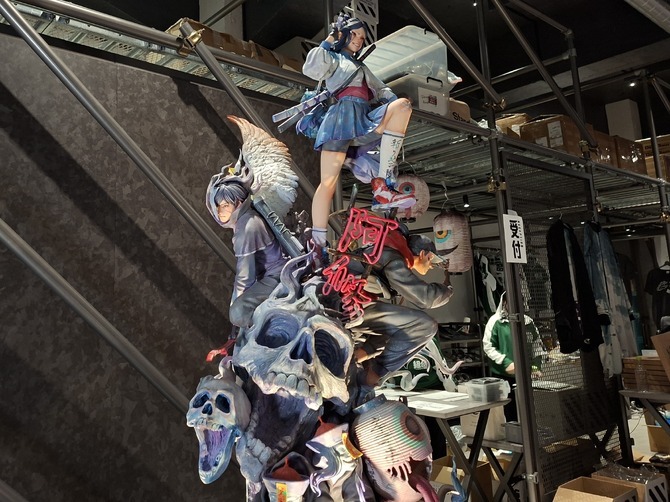
While buzzwords like “Possession Apparel” and “FOXWINDOW” are being thrown around, many readers are likely still wondering exactly what kind of game is taking shape.At this event, I had the opportunity to play a demo of the game and interview Ms. Ikumi Nakamura. In this report, I’ll share my insights into *KEMURI* based on that hands-on experience and interview.
An open-world action game where you hunt yokai with their help
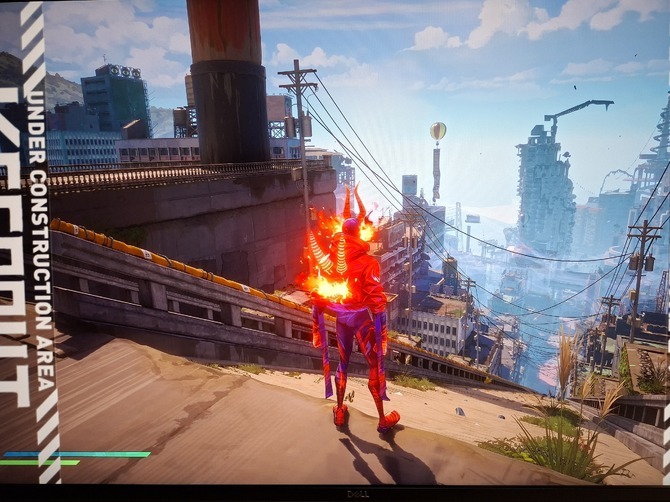
“Kemuri City” serves as the setting for *KEMURI*. While it exudes an overall sense of eerie, “Asian chaos,” it is also a city where multicultural elements are intertwined. In this city, players register with the Hunters’ Guild as “Yokai Hunters” and set out to hunt the “Yokai” that run rampant throughout the city.
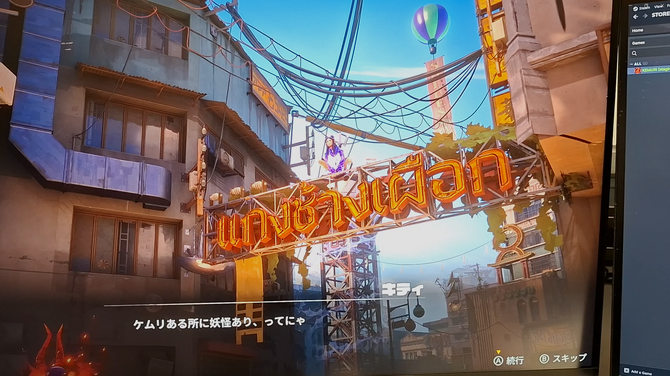
The yokai inhabiting this city are, so to speak, “invisible” neighbors. Wherever they are, supernatural phenomena occur—objects float through the air like poltergeists and sometimes attack you.Once you notice these signs, you must use “FOXWINDOW” to make the invisible yokai visible; only then can you deal with them. This cycle—“detecting a presence → visualizing it with FOXWINDOW → dealing with it (e.g., combat)”—was the basic flow of this demo.
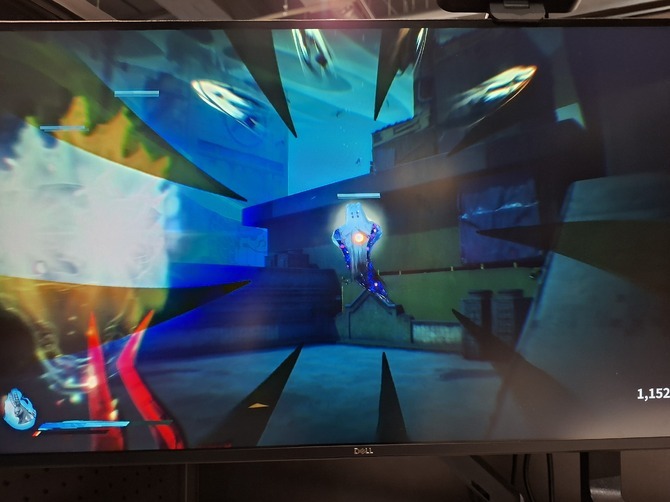
The power of yokai isn’t just a threat to you. If you borrow that power and master it, it becomes a reliable ally in combat and exploration. This is the game’s signature feature: “Possession Apparel.” It’s a system where a yokai hunter’s actions change by “wearing” a yokai as clothing.The Possession Apparel you possess is assigned to the D-pad, and you can generally switch modes at any time.
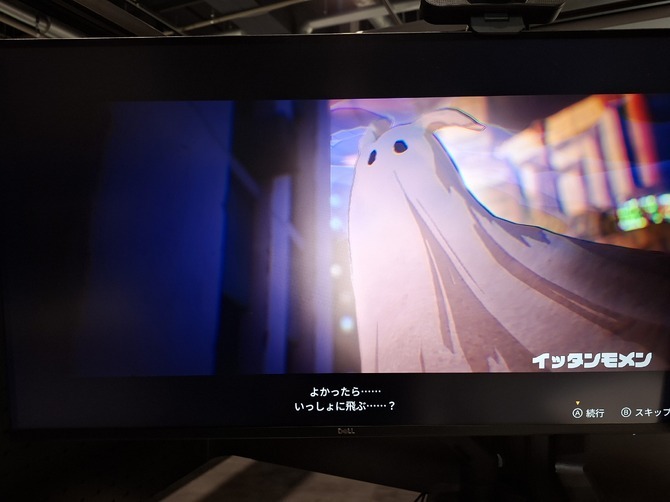

In this hands-on demo, Possession Apparel for the Oni and Frog yokai were preset, and along the way, Ittan-Momen appeared, allowing us to acquire its abilities.Each has its own distinct characteristics: the Oni sweeps enemies aside with a giant hammer, the Frog uses its long tongue for wire-like acrobatics, and Ittan-Momen possesses flying abilities similar to a flying squirrel.

Given the name “Possession Outfit,” I had initially assumed that only the clothes worn by the Yokai Hunter would change, but the character’s appearance actually transforms completely into something entirely different.Furthermore, when wearing Possession Apparel, the character transforms while shouting phrases like “Transform!” or “Possession!”—incorporating a vibe reminiscent of tokusatsu heroes—which was another aspect that felt surprising, as it differed from the image I’d initially envisioned.

Kemuricity is crammed with haphazardly arranged buildings, many of which seem to have been forgotten—their original purpose long lost. To navigate this chaotic space freely, the game offers three-dimensional movement options: wall-climbing to scale buildings vertically, rail rides along tracks throughout the city, and gliding by sliding along surfaces.
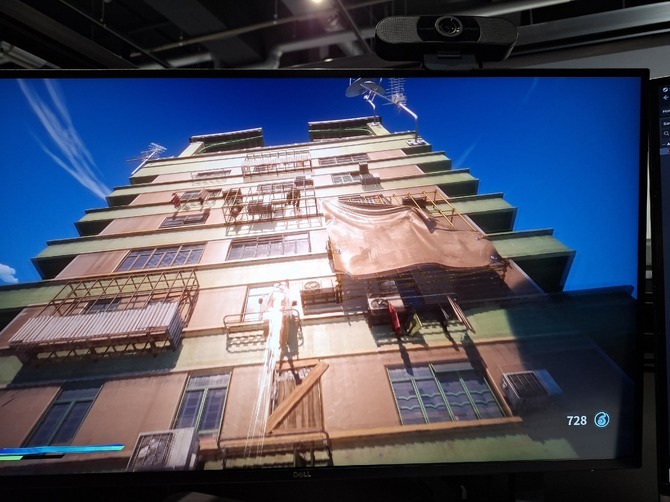


In addition, props scattered throughout the city—such as vending machines—often feature a retro Showa-era aesthetic. Furthermore, many of the details that catch your eye in passing—such as building eaves and alleyways—often have shapes and textures that evoke a sense of familiarity and nostalgia.
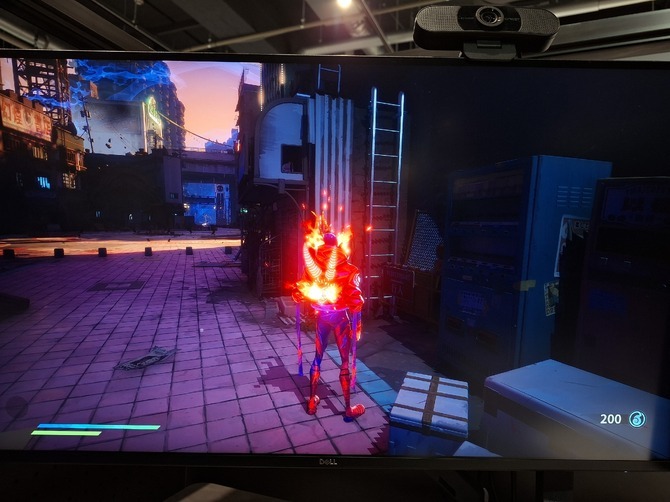
When viewed from a distance, Kemuricity’s design appears to possess a sense of chaos distinct from that of Japanese cities. However, when you focus on a specific part or view the scenery up close, Kemuricity reveals a character that feels almost as familiar to us as something we’ve always known.
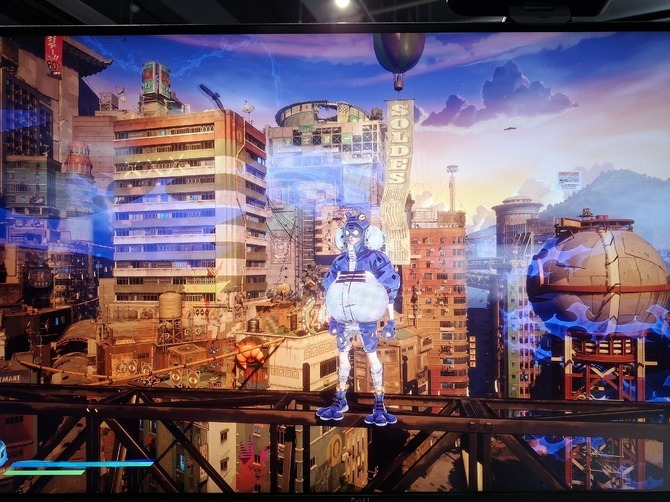
Put another way, familiar elements come together like a mosaic to form a unique whole. “I shouldn’t know it, yet I do”; “I should know it, yet I don’t”… Kemuricity itself, which evokes such sensations, is undoubtedly one of this game’s greatest charms.

The game also incorporates the concept of the passage of time; announcements signal the transition between morning and evening, which appears to bring changes to the game’s environment and other elements. Furthermore, the area I was able to play this time was just one of many, and I’m told that the number of accessible areas will continue to expand.
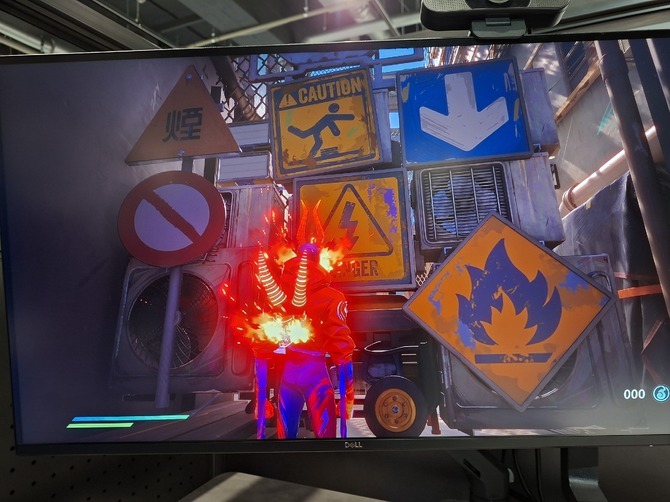
I had the opportunity to play a pre-release build for about an hour and a half.At this stage, the game is still very much in development. In terms of gameplay, the main structure involves exploring the city while battling scattered yokai, discovering collectibles, and rescuing people—I believe this was primarily intended as a preview of Kemuricity’s unique design, movement mechanics, and the specific actions of the Possession Apparel.

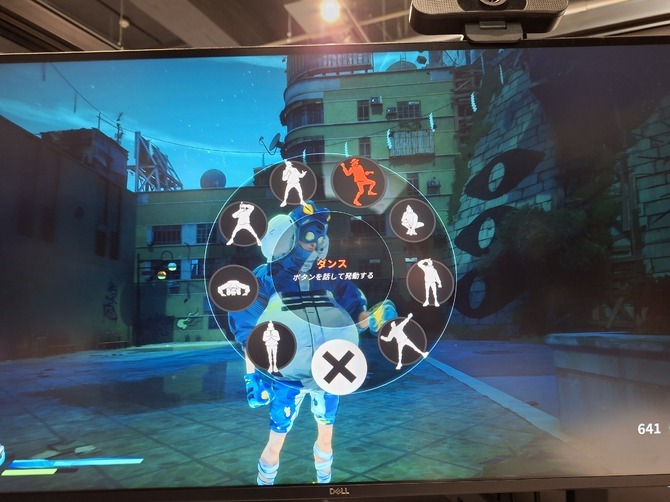
Another highlight of the hands-on session was that, while exploring, an alarm would occasionally sound, and an area with a tornado-like formation would appear in the city center. Entering that area led to a battle against “Oni,” a giant boss yokai, which left a strong impression.
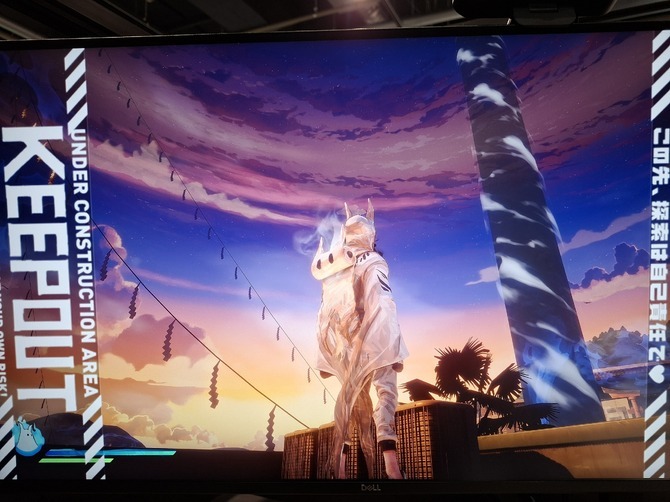
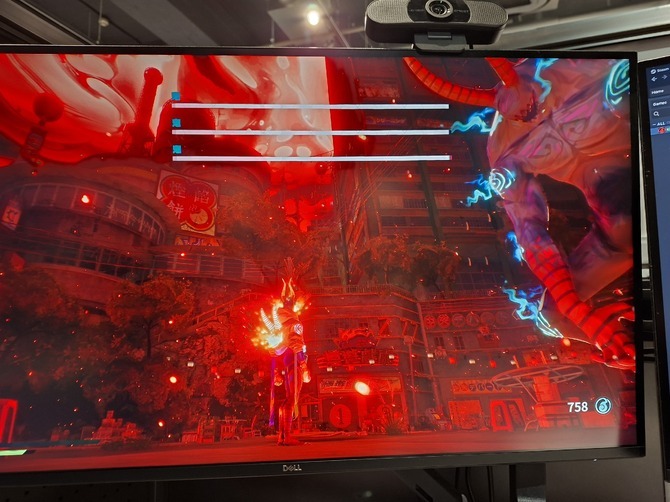
I also encountered a phenomenon similar to the “Hyakki Yagyo” seen in *Ghostwire: Tokyo*. A group of black, shadow-like figures roamed the streets, and I took damage when I got close to them. Based on my experience with the demo, I couldn’t tell what kind of effects or experiences this phenomenon would bring, but perhaps some new elements will be added in the full release.


As mentioned earlier, the playable portion of this build is still just a small part of the whole. While the size of the play space—Kemuricity—was currently limited, I think its originality came across clearly.The heart of the game will likely lie in how the interconnections and depth between its various systems, along with the strength of its story and characters—which drive the player’s motivation—are incorporated moving forward. Additionally, the game is planned to feature multiplayer for up to three players, and it will be interesting to see how that turns out.

What Kind of Game Is “KEMURI”? An Interview with UNSEEN Representative Ikumi Nakamura
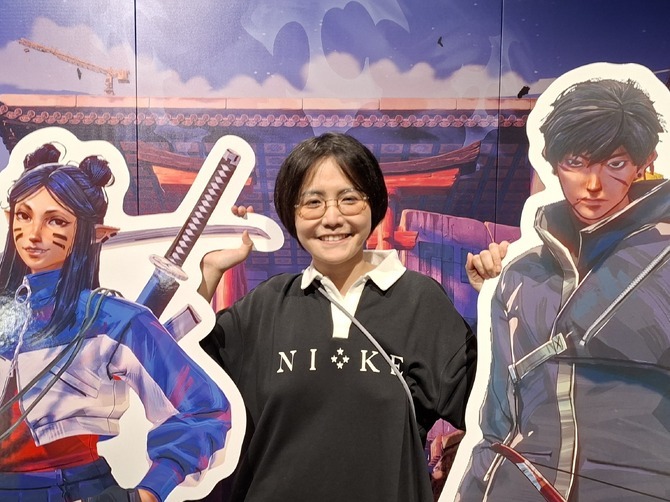
――This was my first chance to play the game. Could you tell us about any particular efforts you made or challenges you faced in developing the build for this demo session?
Ikumi Nakamura (hereinafter Ms. Nakamura): The scope available in this demo is designed to feel like a single mission within the overall game.The game adopts a “mini-open world” format, which typically includes activities, collectibles, and a main storyline. We created this build with a focus on whether the open-field gameplay would hold up sufficiently without that main storyline, and whether the traversal (movement and exploration) mechanics when possessed by a yokai would be fully utilized.

――I imagine the demo only shows a small part of the *KEMURI* world. The game is scheduled for release in 2027—how complete is it at this stage?
Mr. Nakamura: This really is just a small part of it; it will expand even further from here, and there may be another addition down the line. (In this build) it isn’t directly connected to the map yet, but there’s a safe zone-like area called the “Kemuri Hub.” The Kemuri Hub is filled with people, and through it, you can move to the map and advance the story.Then, as a Yokai Hunter, you’ll roam the city freely, searching for and defeating yokai.
In terms of the setting, Yokai Hunters come to the island where the game is set from all over the world. There, they register with the Yokai Hunters’ Guild and become Yokai Hunters. Key characters are present at Kemuri Hub, and they’ll tell you about the “Fox Window.” In gaming terms, it’s what’s known as a “hub-and-spoke” structure.

――The art and design of this game reveal themes such as “the city (streets),” “yokai,” and “visible/invisible.” What aspects did you pay particular attention to when implementing these themes into actual gameplay and allowing players to experience them firsthand?
Mr. Nakamura: This actually goes all the way back to *Ghostwire: Tokyo*—we were trying to solve this even then, but we still couldn’t figure it out. It’s incredibly difficult to express the concept of “seeing the invisible” in a game. And I’m not talking about just “throwing in a UI element” or anything like that.There was a lot of trial and error involved in portraying the act of seeing the unknown and invisible. We tried various VFX, but it always felt like, “Something’s off.”
But if the surrounding props and objects were moving or flickering, you’d get the sense that “something is there,” right? Without those kinds of signs, players wouldn’t notice a thing. We realized that’s what really matters.System-wise, when you place a yokai, the props around it trigger paranormal phenomena—like throwing things at the player. It’s only in the last few months that we’ve actually managed to create those “signs.” We struggled a lot at first just trying to create signals for “invisible things.” I think we’ve finally succeeded in that area now.
――So you’re generating these signs from the environment rather than the yokai themselves.
Mr. Nakamura: “KEMURI” features wall-running and players hopping and bouncing around—it’s a very fast-paced game. So even when we trigger those actions or move things around, the players don’t notice.
So, if you ask how they’ll notice, when the yokai are hostile toward the player, the props themselves will attack. That serves as a signal for the player to go on the defensive—it feels like we’ve finally established that flow. Honestly, I’d been agonizing over this for about seven years (laughs).

――Is it similar to a hit indicator in an FPS, for example?
Mr. Nakamura: In first-person games like *Ghostwire: Tokyo*, it’s very easy to understand because everything happens right on the screen.In third-person games, however, since the player character is always on-screen, it can be hard to notice these “small moments.” So, to address that, we made the effects a bit more flashy and implemented very subtle camera adjustments.
We’ll subtly and quickly pan the camera toward where someone is moving, without the player noticing. We included a bit of that in the build for this year’s TGS and the hands-on demo to see how players would react.
――So you’ll be adjusting those aspects based on the feedback you receive going forward, right?
Mr. Nakamura: This might be a bit of a tangent, but I don’t think it’s very common for a company to be this open and host playable demos right here in our studio. When we finish a phase of game development, we usually conduct playable tests overseas, and there we can see the text data and the faces of the people playing at that moment—along with feedback like, “This part was a challenge.”

What I really appreciated about doing this event was how happy it made me to be standing right next to those players. In particular, this time our engineers were there to assist the players, but when the developers themselves provide support, we can pick up on genuine feedback—like where a player got stuck, “This part had a bug,” or “This part looked really fun.”
I value this aspect so much that I’d like to make it a regular part of our process going forward. I believe this is the true voice of the community, so I’m really glad we did this.
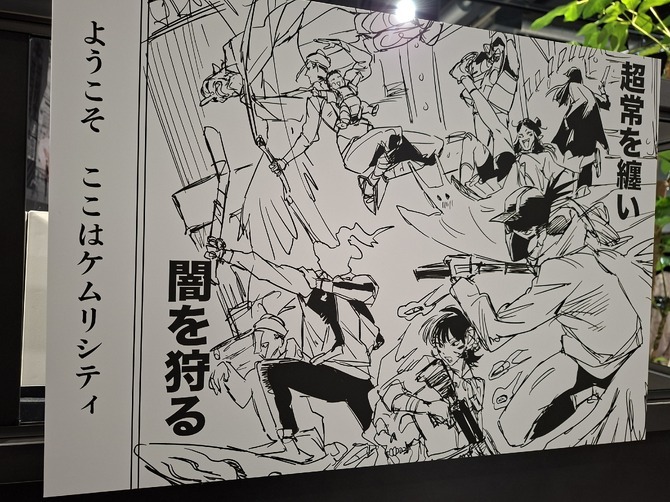
――It might be a kind of “work in progress,” I suppose. The UNSEEN office, which also served as the venue for the demo event, has a multicultural team—how does that align with Kemuricity’s concept of a “huge vertical city where diverse cultures intersect”?
Mr. Nakamura: That pertains to the environmental art aspect. The team behind it was made up of members from Canada, Japan, Malaysia… really, from all over the place. The base is Asian level design, but when it comes to the “surface elements”—as we call them—I left those largely up to the team, and they came together relatively smoothly.
I think there are cases where creators are raised within a single cultural sphere, and others where they come from a mix of cultural backgrounds. I told the team, “Chaos is fine” and “It’s good to have a mix—it’s a place where all kinds of things emerge.” I think we were able to capture that essence because the sensibilities and aesthetics the artists brought from their upbringings struck just the right balance.
During this trial event, we heard feedback from players saying things like, “The art and atmosphere of the environment are amazing,” or “I want to immerse myself in this world.” That’s really where the positive reception comes from. Since we’re getting exactly the feedback we were aiming for, I think we’ve succeeded in that regard.

――I understand that players take on the role of “Yokai Hunters” to challenge the yokai of Kemuricity. Are there any customization options for the player character’s appearance?
Mr. Nakamura: It’s not quite full-fledged character creation, but you can choose a base class for your Hunter from three options: “Sword,” “Bow,” and “Shaman.” As for appearance, you can change the colors—for example, you can opt for a very colorful outfit. It’s a simple system where pre-set color schemes are available, and you just choose from among them.

――The trailer features some very distinctive characters. Do they serve as ally NPCs who assist with the hunts?
Mr. Nakamura: Yes, that’s exactly right.They also help drive the story forward. We want players to truly become the characters themselves. The story and dialogue are structured to constantly ask you, “What will you do next?” as a yokai hunter in Kemuricity, and to give you a gentle nudge forward. They act like “Sherpas” who show you the way.
Also, we’ll be introducing a system called “Hunter Strike” that can be used during battles. This lets you hire hunters at the Kemuri Hub. For example, if you hire a character named “Kitty,” voiced by Ai Fairoz, she might say, “If you want to hire me, it’ll cost XX yen, nya,” and you’d reply, “Oh, I’ll pay up!” and pay her (laughs).Then you can summon her once during battle, and she’ll unleash a powerful attack to take down the enemies. We plan to introduce features like that in the future.

――I also sense that the concept of “wrapping oneself in” or “wearing” is part of this game. Does “Possession Apparel” essentially involve taming supernatural beings—like yokai—and integrating them into the human world’s daily life? Or is it about humans transforming into the supernatural realm? Also, please tell us if there are any inspirations or ideas you’ve drawn from everyday items you wear.
Mr. Nakamura: It’s the latter—humans transforming into the supernatural. We think of Possessed Apparel strictly as clothing. There are yokai like skulls, spirit foxes, and one-eyed creatures, and we design the outfits to match those concepts.

――After actually playing the game this time, I was surprised to find that the Possessed Apparel had designs and presentation that were more like tokusatsu heroes than I had expected.
Mr. Nakamura: It’s just something I like (laughs).
――Were there any specific tokusatsu works you had in mind?
Mr. Nakamura: We actually have quite a few overseas team members who are big tokusatsu fans. “Kamen Rider Den-O” came up a lot in our discussions. Also, although it’s not tokusatsu, there’s Trigger’s “Kill la Kill.” “Kamen Rider” definitely came up quite a bit.
――I definitely felt that vibe. Like, there’s even a line that says “Transform!”
Mr. Nakamura: After all, transformation scenes are a staple of Japanese anime, aren’t they? I absolutely wanted to include that. We also had a brief discussion about how it would be fun to have various types, like “magical girl-style” or “Rider-style.”
――Compared to previous action-adventure or action games, what differences or unique features do you think *KEMURI* has?
Mr. Nakamura: First of all, in terms of the action game genre, I actually think it’s not just another action game masquerading as something else—but rather, a game that really stands out within the action game category. One example of that is the “Possession Apparel” system. It allows you to borrow the power of yokai to perform special moves and move freely throughout the city.
I think there have been games before that featured psychic powers or *X-Men*-style abilities, but the diversity here is incredible. Every yokai is different, and the variety in movement experiences and the resulting actions sets this game apart from previous titles.

――In this demo, I was able to move as Ittan-Momen by spreading my arms like a flying squirrel and gliding through the air.
Mr. Nakamura: That’s right. For example, the Jing Shi can perform high jumps—the movement styles are completely different, which is what makes it interesting. Wall-running involves thrusting your hands forward and dashing along with a “gaga-gaga” sound, while the Oni run like beasts. Giving each character a distinct personality in these ways is a defining feature of *KEMURI*.
――Thank you very much.
Impressions and Outlook on *KEMURI* Based on the Hands-On Demo and Interview
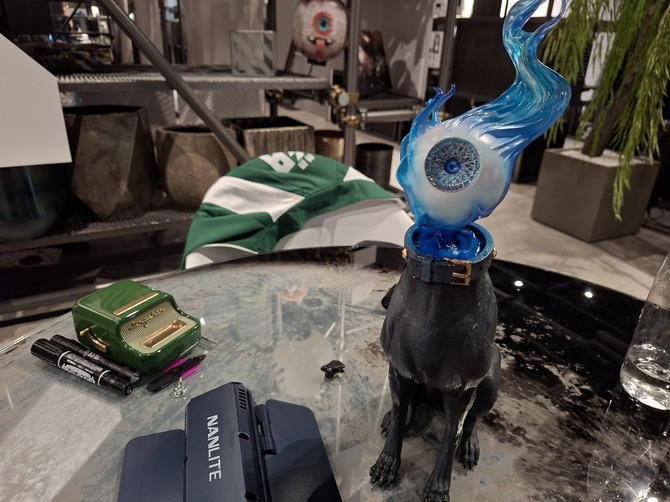
Finally, I’d like to summarize what I learned from this hands-on session and interview, as well as the points that left the strongest impression on me.
The Original Design of “Kemuricity,” Where the Known Shapes the Unknown
Three-dimensional movement utilizing rail rides, vertical wall-running, and gliding
Battle and movement sequences featuring “Possession Apparel” inspired by tokusatsu heroes
The design of Kemuri City is likely the game’s greatest appeal. Furthermore, the tokusatsu-style elements were aspects that hadn’t been highlighted in previous trailers, making them a pleasant surprise.
On the other hand, what kind of gameplay will make the most of this setting, what kind of story will unfold there, and how these various elements will ultimately connect and create synergy—these are aspects that weren’t yet clear from this hands-on session alone. Personally, I’m looking forward to seeing these undisclosed areas revealed in the future, and I’ll be waiting for further updates and the game’s release.
*KEMURI* is scheduled for release in 2027 on PC (Steam) and PlayStation 5.



