


"Fear" in horror games is by no means universal.
Dimly lit schools, altars dedicated to ancestors, deserted rural villages, hospital hallways, funerals, and local taboos that must never be broken—in Asia, where we live, there is a unique kind of “fear” that is closely intertwined with local history, religion, folk beliefs, and urban legends.
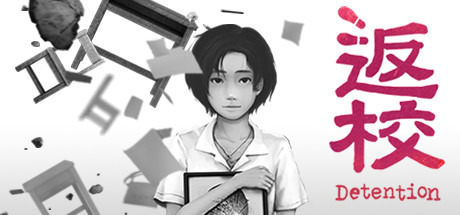
Starting with the Taiwanese horror game *Detention*, released in 2017, creators from South Korea, China, Thailand,Indonesia, Vietnam, and other countries have been using their own cultures as a tool to create truly distinctive horror games—and I believe that horror from the “Asian region” is hotter than ever right now!
In this article, I’ve selected 10 horror games—organized by country and region—that let you fully experience this “fear born uniquely from Asia.” From the terror of being chased by ghosts to the creeping dread of history itself closing in, I’ll guide you through the world of “Asian horror” available on Steam.
◆Taiwan: Terror Where History, Folk Beliefs, and Urban Legends Intersect
★ “Detention”
When discussing Taiwanese horror, the first title we must mention is Red Candle Games’ *Detention*.
Released in 2017, this 2D horror adventure is set in a fictional school modeled after 1960s Taiwan. Players explore the deserted school, gradually unraveling the events hidden within.
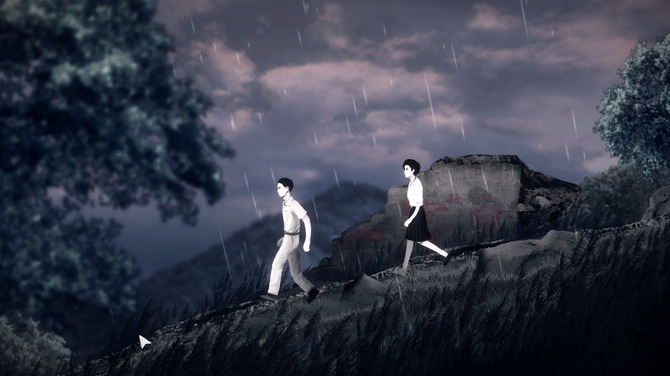
What makes this game special is that it goes beyond being just a “school ghost story.”
While the game is richly infused with motifs derived from Taiwanese religion and customs—such as ritual meals, temples, and altars—the historical backdrop underlying it all is 1960s Taiwan under martial law.
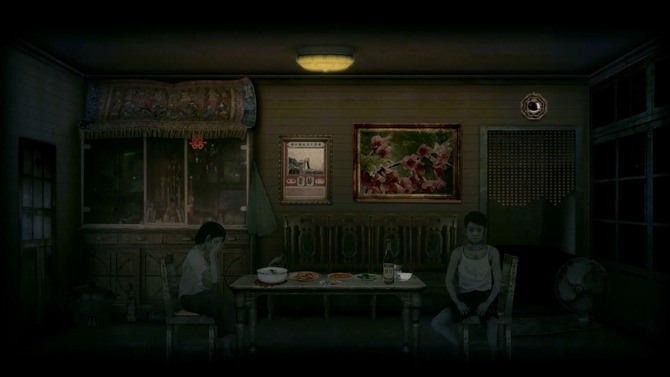
Historically, Taiwan was under martial law for a full 38 years. During this period, the Kuomintang regime—under the guise of rooting out dissidents and spies—severely suppressed citizens’ freedom of speech and thought in what became known as the “White Terror.”
In other words, this work is not merely a supernatural horror story; it portrays the “real history of political repression” as the true source of terror.
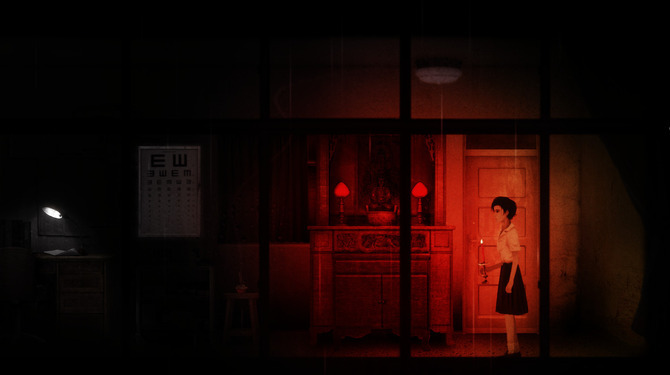
While the supernatural phenomena haunting the school are terrifying enough, the further the story progresses, the more terrifying elements emerge from human memory and society itself. This expansion of fear—from ghost stories to history—is undoubtedly the film’s greatest appeal.
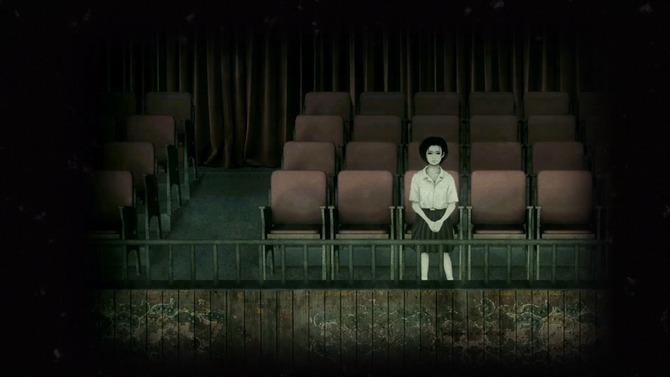
In 2019, the film adaptation, *Return to School: The Day Words Disappeared*, was released in Taiwan and became a historic blockbuster, ranking first in Taiwanese box office revenue that year. It’s a highly recommended title, even for those new to Taiwanese horror.
★ *The Bridge: Curse Road to Salvation*
Another title from Taiwan I’d like to highlight is *The Bridge: Curse Road to Salvation* by SOFTSTAR ENTERTAINMENT.
Released in 2022, this first-person stealth horror game is based on the Taiwanese film *The Cursed Bridge*. At the heart of the story is a campus legend known as “The Ghostly Bridge,” and players relive the experiences of six students as they become entangled in supernatural phenomena on campus.
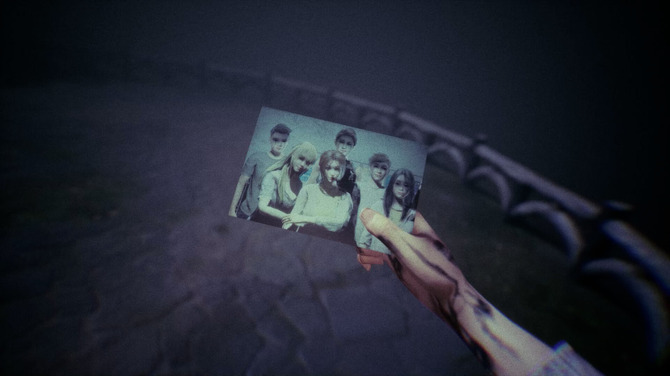
As a game, it centers on exploration and puzzle-solving, along with stealth elements where you must hide from the female ghost that attacks you. Simply running around the dimly lit university campus is terrifying enough, but the game’s true appeal lies in its raw realism—the way a “dare that any student might try at least once” leads to genuine supernatural phenomena.
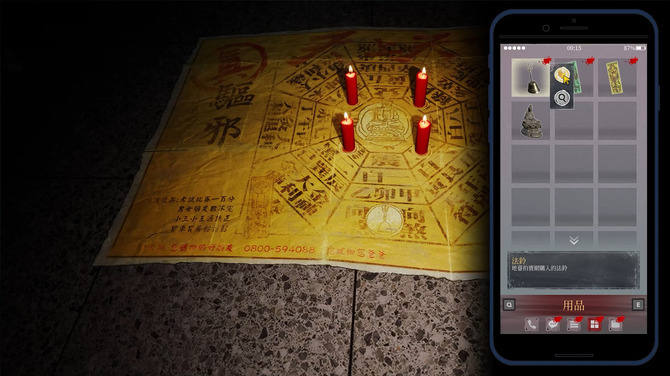

While Japan also has its “Seven Mysteries of Schools” and university ghost stories, the sense of these being “urban legends passed down among students” feels surprisingly familiar in Taiwan as well. It is precisely this “familiarity” that amplifies the game’s horror even further.
Furthermore, both the puzzle-solving and the quality of the horror direction are quite well-executed, and with a “Very Positive” rating on Steam, this is a title I can highly recommend to horror fans.
◆South
Korea: An Ordinary School Transforms into a “Otherworld” Overnight
★ *The Coma 2: Vicious Sisters*
There’s probably no other setting quite like a school at night—a place that was “completely ordinary during the day” but undergoes a terrifying transformation.
“The Coma 2: Vicious Sisters,” developed by South Korea’s Dvora Studio, transforms this everyday setting—the school—into a realm of the otherworld.
As the sequel to the previous title, *The Coma: Recut*, it features beautiful yet dark hand-drawn visuals and the tension of escaping from a relentless pursuer.

Officially released in 2020, this game is a side-scrolling school-based survival horror adventure.Players take on the role of Mina Park, a high school student attending Sefa High School, and explore the “Coma Realm”—a dark realm that closely resembles the real world but is teeming with monstrous creatures and ghosts—in an effort to return to reality.
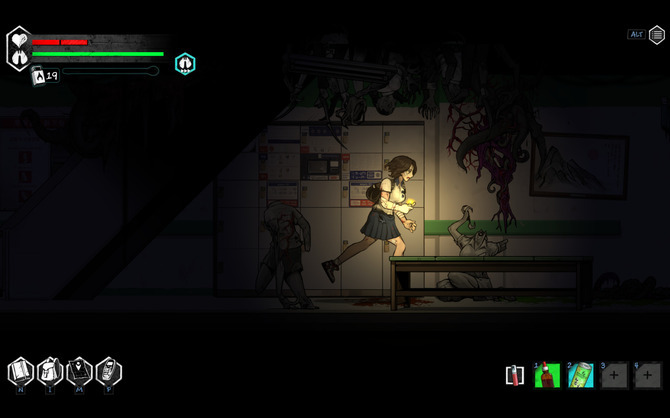
In this game, the exploration area expands to cover the entire Sefa district; as you visit locations such as the police station and the market, you’ll uncover the secrets of this otherworld that is inextricably linked to the real world.
You’ll gather items and clues as you explore, preparing to navigate dangerous situations as you go. The game’s appeal lies in the tension unique to survival horror—if you’re spotted by enemies, you’ll have to flee and find a place to hide.
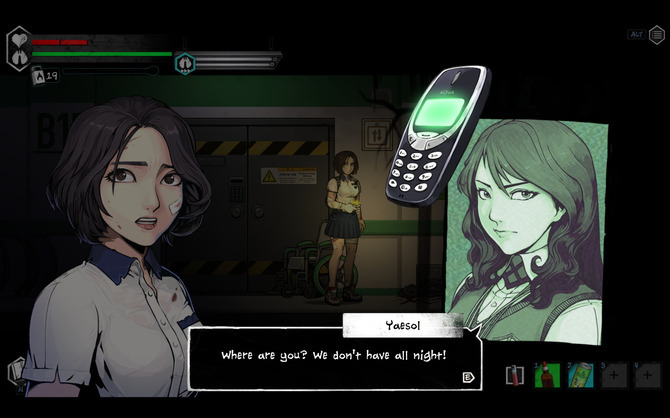
Most impressive of all are its unique visuals. The world, depicted through comic-style characters and backgrounds, is incredibly stylish and draws you into its universe. Precisely because of this, the moment a blood-soaked school building or a monstrous entity appears, the stark contrast creates an intensely eerie atmosphere.

“The Coma 2” explores a more direct fear: “What if another world existed right beneath the surface of everyday life?” It’s a highly recommended Korean horror game that takes the classic “school survival horror” formula and polishes it to a fine edge.
◆China: Rural Villages, Funerals, Old Mansions… The Supernatural and Terror Lurking Right Next to Everyday Life
★ *Fireworks*
We also can’t overlook horror games from China, which have been gaining a particularly strong presence in the gaming industry in recent years.
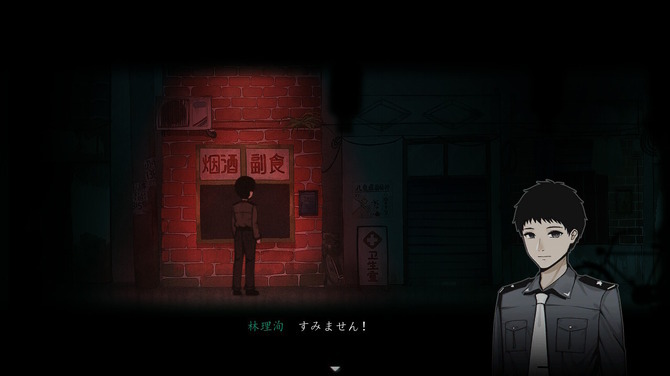
First up is *Fireworks*, a 2D horror-suspense puzzle-adventure game developed by the Chinese indie studio Shiying Studio and released in 2021.
Players take on the role of “Lin Lixun,” a rookie police officer with the special ability to communicate with the afterlife. Following an accidental fire at a funeral in a remote mountain village, she is tasked with reopening the investigation into the brutal massacre of an entire family.
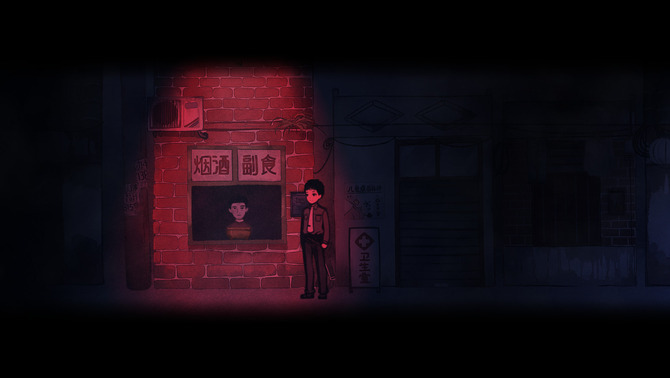
Rather than focusing on occult phenomena such as curses or psychic powers as the root of the incident, the game is a thrilling psychological suspense story that explores the social context of China at the time, human karma, and other heavy real-world themes.
Set in a rural Chinese town in 2004, the game is characterized by the authenticity of its historical setting, including period posters, furniture, and the superstitious beliefs of the people.
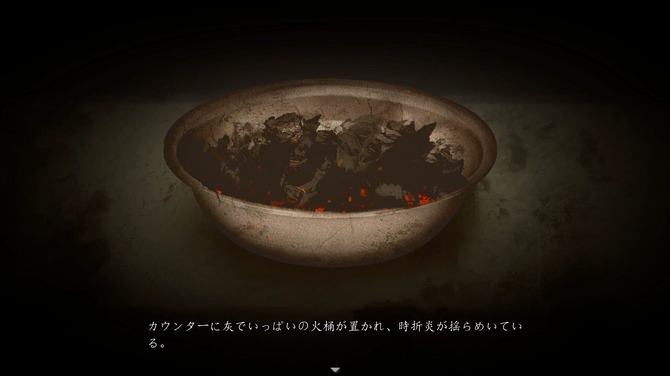
Another appealing aspect is the visuals—reminiscent of Chinese ink wash and watercolor paintings—which are both nostalgic and eerie, perfectly capturing the game’s distinctive gloomy and melancholic atmosphere.
The puzzles are moderately challenging, and there are plenty of hints available. Since solving the puzzles directly advances the story and provides clues to the characters’ pasts, you can immerse yourself in the narrative without ever losing momentum.
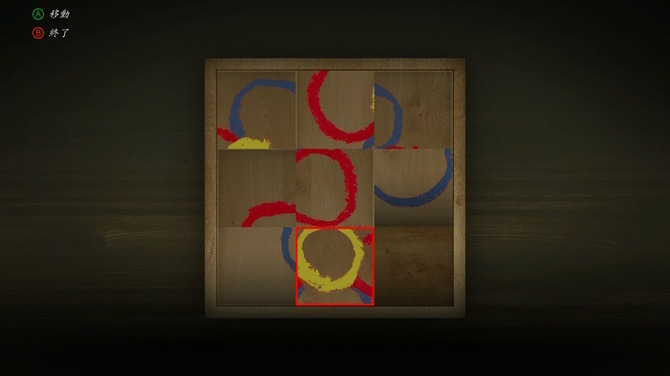
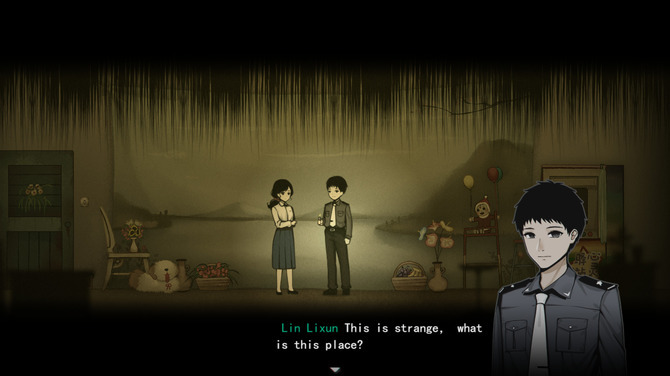
This game is highly recommended for anyone who enjoys deep, emotional stories and tear-jerking human dramas, as well as fans of Asian horror and suspense.
★ “Dread Flats”
It’s neither a glitzy metropolis nor a historic old mansion. “Dread Flats (Kyouyu),” developed by Ghostcase, sets the stage for horror in a much more familiar setting: an apartment complex steeped in the realities of everyday life.
Released on Steam in July 2025, this is a first-person psychological horror game.
Players step into “Dread Flats,” a dilapidated apartment building with a dark history, and set out to unravel the mystery behind the disappearances that have occurred there and uncover the true nature of the eerie presence lurking within the building.
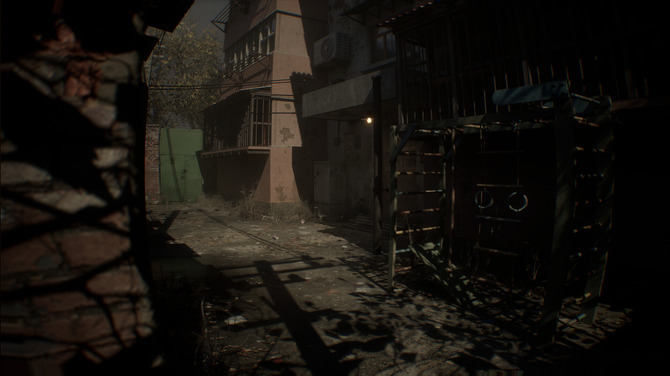
The game’s appeal lies in its overwhelmingly “vivid graphics,” which recreate the atmosphere of daily life in 1990s China, and the “creeping terror of a confined space” from which there is no escape.

For example, the atmosphere of a Chinese apartment complex from that era is astonishingly realistically recreated through details such as luggage piled up in narrow hallways, old advertisements and calendars plastered on the walls, and faded green walls.
Precisely because the setting is the “apartment complex”—a space so close to everyday life—the sense of unease that lingers there, along with the supernatural horrors like sudden bloodstains and strange phenomena, stand out all the more.
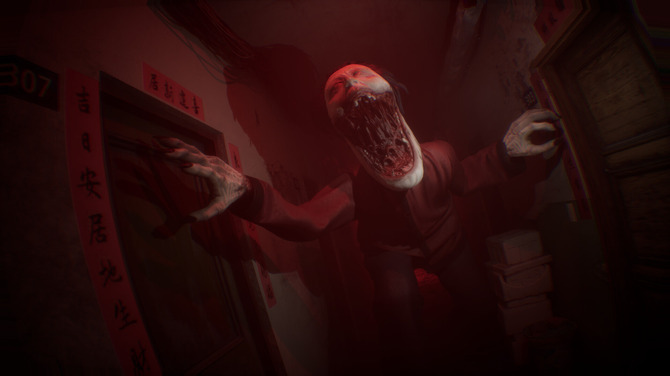
Furthermore, what plunges the player into the depths of terror is the presence of the “grotesque old woman,” who appears out of nowhere and relentlessly pursues them.
If you happen to glance under the bed, you’ll find the old woman lurking right there—a twist that subverts the player’s sense of security when they think, “I’ll hide here” or “I’m safe,” evoking a profound sense of despair. The moment her face suddenly appears in the narrow beam of the flashlight is so shocking it makes your heart skip a beat.

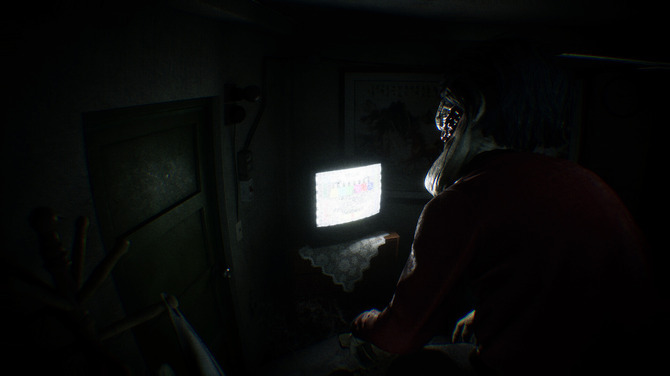
Set in the gritty, dilapidated housing complexes of 1990s China, this masterpiece of a horror game is highly recommended for those who want to experience unarmed stealth gameplay while holding their breath, the creeping terror of the old woman closing in from under the bed, and for horror fans eager to piece together the truth behind a bizarre crime using fragmented clues.
◆ Thailand: Myths and Spirits Creep Into Modern Life
★ *Home Sweet Home*
As a prime example of Thai horror, I’d like to highlight YGGDRAZIL GROUP’s *Home Sweet Home*.
Released in 2017, this first-person horror adventure is explicitly described on the official Steam page as a game based on “Thai myths and folklore.”
Players take on the role of the protagonist, Tim, and explore an absurd space teeming with evil spirits and terror. While evading the dangers that threaten to attack, you’ll search for clues regarding the whereabouts of your wife—who has mysteriously disappeared—and a way to escape the house.
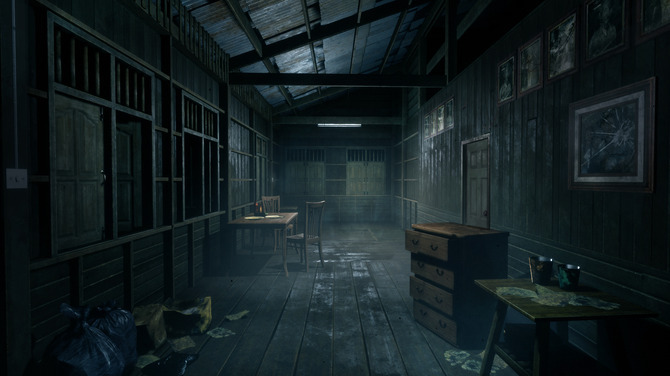
It is a stealth-based game with no weapons, where the core strategies are “hiding” and “escaping” from the malevolent spirits. Players progress by collecting diaries and newspapers left behind in the house to uncover the truth behind the story and by solving puzzles.
The game is characterized by a fusion of psychological horror reminiscent of Japanese horror and Thailand’s uniquely eerie worldview.

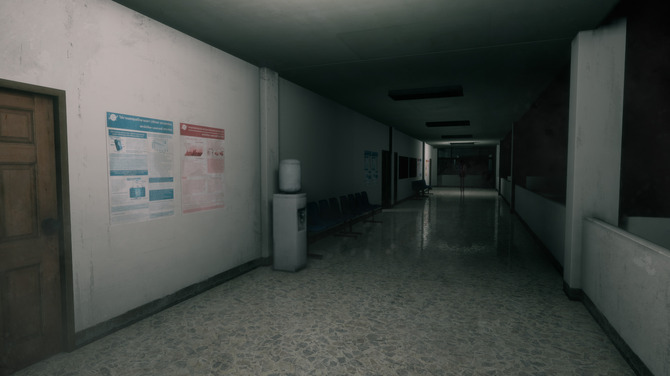
The supernatural phenomena, rooted in Thai mythology and beliefs, are slightly different from both Japanese ghosts and Western demons. This highly recommended horror masterpiece lets you experience a fear unique to Thailand—the sense that “you can’t fully understand what it is.”
★ “ARAYA”
Released in 2016, *ARAYA* is a first-person horror adventure developed by MAD Virtual Reality Studio. Set in a Thai hospital, players switch between the perspectives of three different characters as they investigate the truth behind a mysterious murder case involving “Araya,” a girl who died under strange circumstances.
Empty hospital rooms, hallways lit by fluorescent lights, dimly lit backyards… The already terrifying setting of a “hospital at night” is layered with an atmosphere unique to Thailand.

Its greatest feature and appeal lie in a heart-wrenching horror experience that fuses “Thailand’s unique horror culture” with “the overwhelming immersion of VR.”

Rooted in the muggy atmosphere unique to Southeast Asia, Buddhist views on life and death, and local beliefs in sorcery and ghost stories, the game easily evokes a psychological fear that “something might appear.”
Furthermore, this title is fully compatible with VR (virtual reality), and when played through a headset, the terror of vengeful spirits suddenly attacking from behind or right in front of you creates an extreme sense of panic—as if they were “really there.” Of course, it’s still plenty scary even when played on a monitor alone.
It’s a highly recommended title that strikes the perfect balance between rich Thai culture and horror.
◆Indonesia: Smartphones, Taboos, Indigenous Ghosts—"Unknown Supernatural Phenomena" Are Too Terrifying
★ “DreadOut”
When discussing Asian indie horror, Digital Happiness’s *DreadOut* is an essential title.
Released in 2014, this third-person horror adventure game is themed around Indonesian urban legends and folklore.
Players control Linda, a high school girl, as she searches a otherworldly space lurking with terrifying supernatural phenomena, aiming to escape while confronting various supernatural threats.
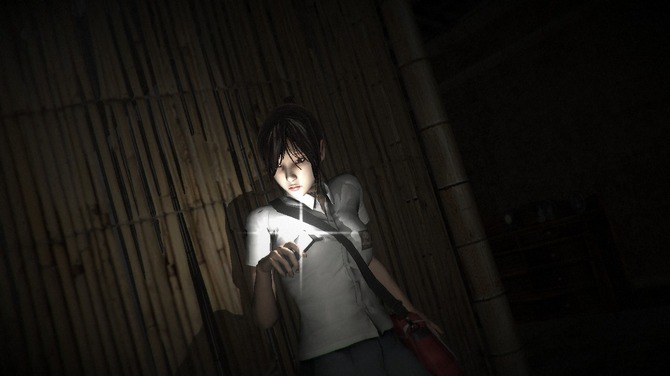
One of the defining features of the *DreadOut* series is its strong influence from the acclaimed Japanese horror game series *Zero*.
For example, Linda carries no weapons; her only tools are her smartphone and digital camera. To fend off the Indonesian-specific ghosts and evil spirits that attack her, she must look through the camera’s viewfinder and take photos (to exorcise them), thereby dealing damage and driving them away.

Another appealing aspect is the raw horror and folk beliefs unique to Southeast Asia, which offer a distinct flavor compared to Western or Japanese horror.
The game features numerous unique creatures that are genuinely feared in the region, such as the “Pocong”—a corpse with a cloth wrapped around its head—and the “Kuntilanak,” a female ghost hanging upside down. Combined with a stifling, sweat-inducing atmosphere,the sound of a downpour, and eerie traditional music (such as gamelan) all combine to create a unique world of horror.

Set in Indonesia—a culture and indigenous setting that are largely unfamiliar in everyday life—this is a highly recommended horror game that lets you experience the “fear of the unknown.”
★ “Pamali: Indonesian Folklore Horror”
Next up is “Pamali: Indonesian Folklore Horror,” a first-person narrative horror game developed by Storytale and released in 2018.
The game’s defining feature is its focus on Indonesian culture and taboos; players can experience values unique to Indonesia, where fear is triggered by breaking everyday routines or violating taboos.

For example, while inside a house, players can “examine objects,”“clean,” “speak ill of others,” or “slam doors.” However, engaging in culturally inappropriate behavior—such as leaving a messy room untidy or handling a deceased person’s belongings carelessly—will increase the anger meter of the ghost who inhabits the house, causing paranormal phenomena to escalate.

In this way, the ending changes in subtle ways depending on the player’s actions, making for a very interesting system that focuses on “how much respect you show toward the culture and the ghost.”
It’s a highly recommended title that goes beyond the scare factor of a simple horror game to include features designed to foster respect for different cultural contexts.
◆Vietnam: A Journey into 1990s Saigon Urban Legends
★ *The Scourge*
Last but not least is a horror game from Vietnam.
*The Scourge* is a first-person urban legend horror adventure game set in Saigon, Vietnam, in the 1990s.
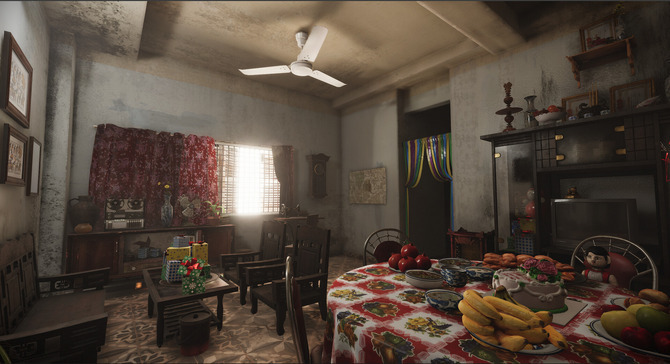
Set in 1990s Saigon, players take on the role of Nhat Huy, a protagonist cursed by past sins, as they explore a world where the line between reality and nightmares is blurred, seeking the truth behind the tragedy that befell his family.
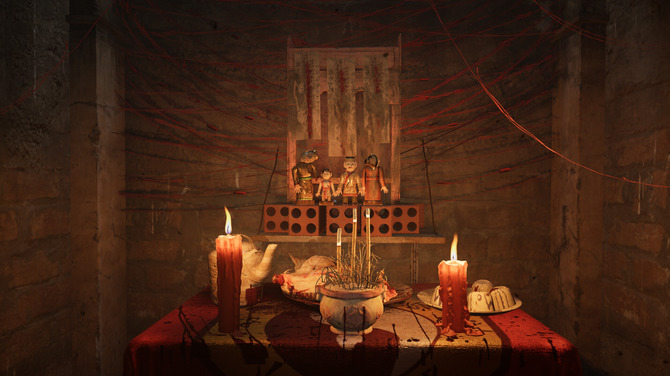
The game is characterized by its unique Vietnamese cultural backdrop and realistic horror elements designed to unsettle the player. It draws inspiration from actual apartment buildings that existed in 1990s Saigon (now Ho Chi Minh City) as well as gruesome ghost stories and folklore passed down locally.
The unique Southeast Asian architectural styles, retro furniture, and local altars and ornaments are meticulously crafted down to the finest details, creating an atmosphere where exotic charm and eeriness coexist.Elements of Buddhism and folk beliefs—such as curses, karma, talismans, and rituals—infuse the entire game with a stifling sense of dread unique to Southeast Asia.
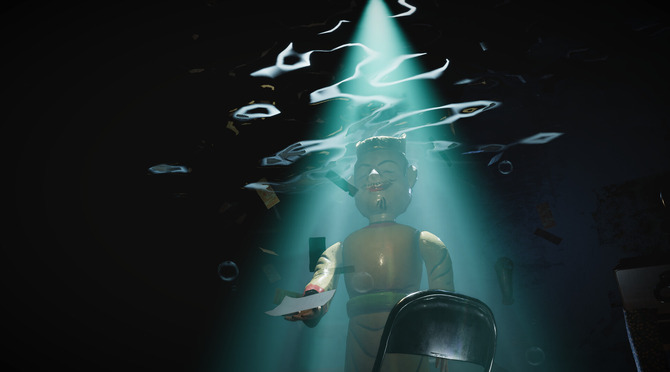
Another major appeal is the well-balanced blend of elements: the gradual distortion of space and the escalating supernatural phenomena; soundscapes that stimulate the senses, featuring Vietnamese pop songs and traditional music from the era; exploration elements that unravel a hidden past; and tense chase sequences where you flee from monstrous entities.

This is undoubtedly the perfect horror game for players who love Eastern or Asian horror, are interested in foreign cultures and urban legends, or simply want to immerse themselves in the deep, rich cultures of other countries—it’s a highly recommended title.
We’ve introduced 10 titles so far, and when you look at them side by side, it’s fascinating to see just how diverse they are—so much so that they can’t all be summed up with the single term “Asian horror.”
If you’re looking for a different kind of horror—one that’s distinct from Western or Japanese horror—why not give the titles I’ve introduced a try?



