


In Japanese living rooms during the 1990s, there were many occult programs—such as special episodes featuring psychic Aiko Gibo and shows like—which dramatized paranormal experiences submitted by viewers—were among the many occult programs dealing with spirit photographs, UFOs, psychic abilities, and ghost stories that were broadcast and gained popularity.
It was an era when supernatural phenomena of uncertain authenticity—such as paranormal photos, UFOs, psychic abilities, and ghost stories—stimulated people’s curiosity, with special paranormal programs airing every summer and magazines featuring ghost stories set in abandoned buildings and tunnels.
Of course, I, too, have been a huge fan of such paranormal and occult programs since childhood and was greatly influenced by them. I believe these formative experiences were likely what sparked my passion for the horror genre.

Amid this frenzy—which could be described as a sort of “occult boom”—one figure stood out: Kizoku Ikeda, a musician also known as a paranormal researcher.After gaining prominence as the vocalist for the rock band “remote,” Mr.
Ikeda went on to explain paranormal phenomena on television and in magazines while conducting his own independent research.
Mr. Ikeda was fully involved in the planning and production of the PlayStation horror adventure game *Reikoku: Ikeda Kizoku Paranormal Research Institute*, released by Media Factory on October 26, 2000, contributing to everything from the game’s structure and story episodes to its music.

The game is set in a virtual space called the “Ikeda Kizoku Paranormal Research Institute,” which Ikeda had actually operated online.
Players explore this 3D reconstruction of the institute, gathering knowledge (a database) about paranormal phenomena while tackling mysterious incidents occurring at real-world haunted locations. With live-action footage used to depict ghosts and a unique exorcism system, the game offered a “paranormal”-focused experience and a distinct sense of horror that set it apart from typical horror games.

However, Mr. Ikeda passed away on December 25, 1999, at the young age of 36, before the game could be completed. This title became his first and last production for the gaming industry.

In this article, we’ll delve into the appeal of *Reikoku* as a horror game through hands-on play, while also reflecting on the context of 1990s occult culture—a period in which Mr. Ikeda was active—and exploring what exactly he meant by “spiritual phenomena” as embodied in the game.
◆ Rock, Paranormal TV Shows, the Internet—The ’90s Occult Boom and Kizoku Ikeda

First, let’s take a look at the background of the 1990s occult culture spearheaded by Kizoku Ikeda—including the “paranormal” theme central to this title—as well as his unique career path.
Ikeda first gained attention in the music scene in the late 1980s.In 1987, he formed the rock band “remote,” gained popularity through performances in Harajuku’s pedestrian-only zone, and, riding that momentum, appeared on the TBS late-night show “Yuji Miyake’s Cool Band Heaven” (Ika-Ten).and in 1990, he made his major-label debut with his first single, “NO!,” released by Warner.

At the time, “Ika-Ten” served as a springboard for many indie bands to gain attention, marking an era when music and television were closely intertwined. Incidentally, bands like Blur, Tama, and Ningen Isu also appeared on the show and gained popularity.
Mr. Ikeda was one of the distinctive musicians who epitomized that band boom, but after remote disbanded in 1992, he expanded his activities beyond music into various fields, such as writing and television appearances.

As a side note, another figure who, like Takashi Ikeda, bridged rock and occult culture—and who must not be forgotten—is Kenji Otsuki, the vocalist of Kinoko Teikoku, commonly known as Oken.
Mr. Otsuki also had a strong interest in UFOs, paranormal phenomena, and horror literature, and he shared his unique perspective on the occult through song lyrics, novels, and radio programs.
The two men interacted through their musical activities; Ikeda appeared on Otsuki’s radio show, and a dialogue between them was featured in the 1999 issue of the magazine “HOT-DOG PRESS.”

Furthermore, Otsuki participated in Ikeda’s 1999 solo album *MiYOU* and his charity concert “Ikeda Kizoku: The Grand Pre-Funeral,” held in May of that same year, demonstrating that their relationship ran deep on a musical level as well.
What’s interesting here is the contrasting ways the two approached the “occult.” For example, while Mr. Ikeda engaged in practical activities such as investigating paranormal phenomena and performing exorcisms, Mr. Oken incorporated UFOs, urban legends, and strange phenomena into his music and writing (essays), expressing them with his unique sense of humor.

However, despite their differing “views on the occult,” as the occult boom—which had been ongoing since the 1970s—exploded into television, music, and publishing in the 1990s, ushering in a golden age, both men played a pivotal role in linking rock music and the culture of the macabre.

Amid this trend, Mr. Ikeda began to actively pursue his work as a “paranormal researcher.” While introducing paranormal phenomena on television and in magazines, he also collected spirit photographs and personal accounts himself; as evidenced by the 1996 publication of his book *Ikeda Kizoku’s Spiritual Communications*, he consistently shared his findings on paranormal research.
As mentioned at the beginning, 1990s television featured Aiko Gibo’s psychic visions, Junji Inagawa’s ghost stories,appraisals of spirit photographs, and undercover investigations of abandoned buildings. The widespread public consensus that “paranormal phenomena are both entertainment and mysteries to be unraveled” also played a significant role in fueling the popularity of the “occult boom.”

What was even more impressive was Mr. Ikeda’s foresight in being one of the first to incorporate the internet into his activities.
Mr. Ikeda launched his own website as early as 1996, which he later developed into the “Ikeda Kizoku Paranormal Research Institute.”

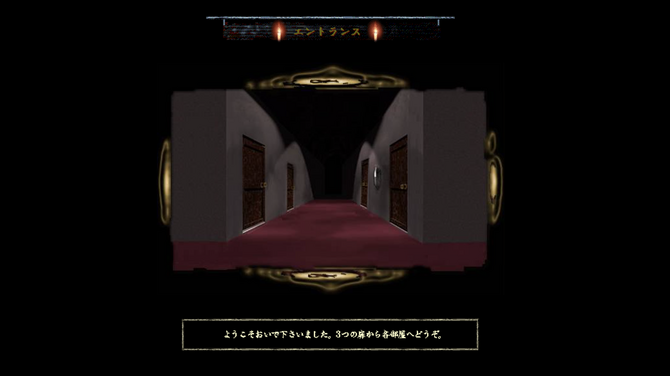
This site wasn’t just a collection of text; it featured an innovative structure that allowed users to explore a 3D dungeon-like research institute on screen and view content such as spirit photographs and personal accounts from each room—and, remarkably, it is still accessible today.
People who became interested in the occult through TV paranormal shows gathered information from magazines and books, and then shared their personal experiences online. Mr. Ikeda’s activities as a paranormal researcher strongly reflect the media landscape of the 1990s.

This work was created as the culmination of that journey, and it can be said to be a unique endeavor by Mr. Ikeda that combined his knowledge as a paranormal researcher with his creative expression as a musician.
Explore a research facility teeming with supernatural phenomena and purify “real-life haunted locations”!

From here on, I’ll share my firsthand impressions from playing the game on an actual console—highlighting its terrifying atmosphere as a horror game that shouldn’t be underestimated, as well as its fun and charm. Please be very careful to avoid spoilers from this point forward.
This is a first-person 3D adventure game where you explore the research institute by combining movement, investigation, and the use of items.
The game is set in the “Ikeda Aristocratic Paranormal Research Institute,” constructed using 3D polygons, and players take on the role of a visitor to the institute as they explore its halls.

First, the basic controls are as follows: use the D-pad or left stick to move your character, and the right stick to move the “pointer” and access the database menu.
The controls are relatively simple: the O button is used to confirm, inspect, or use items, while the X button is used to cancel.

Upon opening the institute’s door, a dimly lit, eerie hallway stretches endlessly before you, with absolutely no sign of anyone else. For now, let’s start by investigating the nearby rooms.
The first room you enter is lined with office-style desks, cluttered with documents, thick books, address books, and sheets of report paper.


When you examine a computer, a message appears saying, “There’s a key next to the keyboard.” Following this, move the cursor to the object and press the O button to obtain the “Key to the Supply Room.”
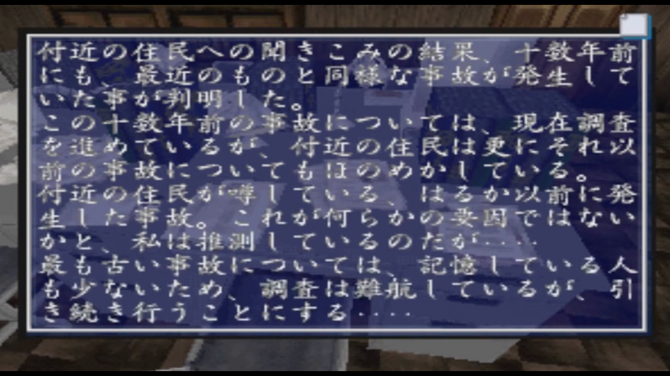
Also, when I read the documents on the desk, they appeared to be reports on mysterious incidents that had occurred in the neighborhood.
According to residents’ testimonies, there’s been a steady stream of accidents where people wander onto railroad crossings as if “drawn by something” and are struck and killed by trains. However, the report states that the exact cause remains unknown and is currently under investigation.


What’s worth noting here is that by reading these documents and investigating locations within the facility, various entries related to spirits and the occult are added to the “Paranormal Phenomena Database,” which consists of 88 entries in total.
The database is organized by genre—such as “Power,” “Magic,” and “Healing”—and under each category, you’ll find information on specific concepts and terminology, including types of spirits, characteristics of paranormal phenomena, rituals, sorcery, and knowledge related to exorcism.
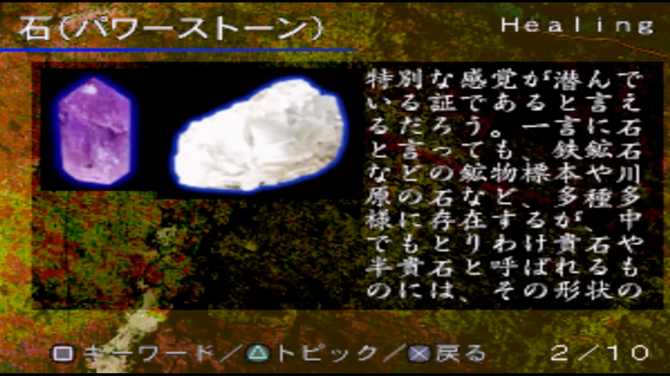
To put it simply, the primary objective of this game is to compile this database, and the ending changes depending on your completion rate.
What’s also interesting is that this information goes beyond mere definitions of terms; it includes the game’s unique interpretations of paranormal phenomena, as well as thorough and detailed explanations of traditional rituals and coping methods. As a result, the text is engaging and fascinating to read, and many of the entries are both informative and educational.
The game is designed to be accessible to those uninterested in the occult or the supernatural, while also offering deeper discoveries for occult enthusiasts.
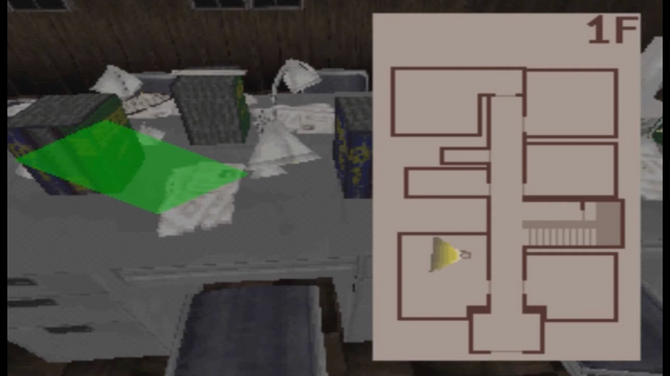
Now, let’s continue exploring the building. On the first floor, there are numerous other rooms related to paranormal research, such as the director’s office, laboratories, and a séance room.
While this game doesn’t feature a complex map design, you can view a map of the research facility to check your current location and the layout of the rooms at any time.

Furthermore, while investigating a room, I discovered an item called “Evil Spirit in the Bushes.” Hmm, what on earth is this…?

In this game, collecting spirit photographs is one of the exploration elements. It’s deeply connected to the research activities that Takashi Ikeda devoted himself to during his lifetime, and it’s an important aspect when discussing the game’s occult cultural appeal.
Several of these spirit photographs are hidden throughout the research facility; you can zoom in on areas where ghosts have been captured and read explanations about the nature of the spirits depicted in the photos.
Given that the original *Zero* was released in 2001 and *Kowai Shashin* in 2002, this title is likely the first to incorporate “spirit photographs” as a gameplay mechanic. It’s truly impressive to reflect on just how forward-thinking that idea was.

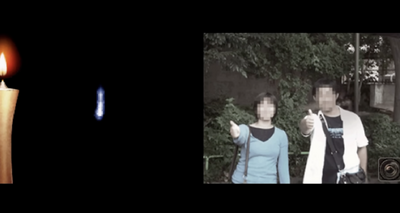
Incidentally, the man in the photo above is Mr. Ikeda himself, taken during his days at the Harajuku pedestrian promenade before his debut. It’s a famous spirit photograph taken during a remote live stream, showing what appears to be the face of an old woman. According to Mr. Ikeda, this incident later became the catalyst for his involvement in paranormal research.


I left the room and stepped outside for a moment. As I walked down the hallway, I noticed a strange painting hanging on the wall. When I took it down, I found a spirit photograph inside. This particular photo depicts a “mysterious light captured in a five-story pagoda,” which, apparently, is actually an auspicious sign rather than a sign of an evil spirit.
There are also other famous spirit photographs that any occult fan has surely seen at least once, making them excellent for viewing. Not only that, but if you collect all the spirit photographs, an “Spirit Photographs” entry will be added to the database, so you’ll definitely want to complete the collection.
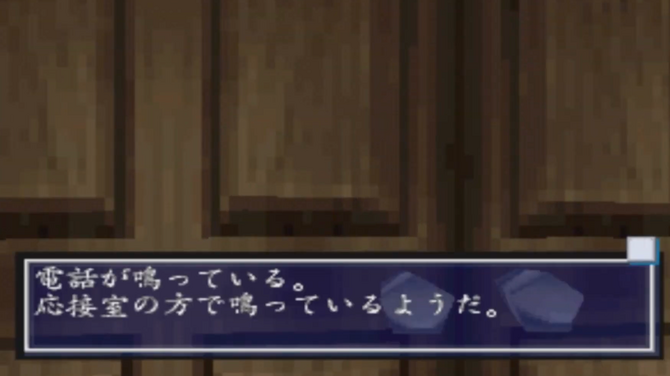
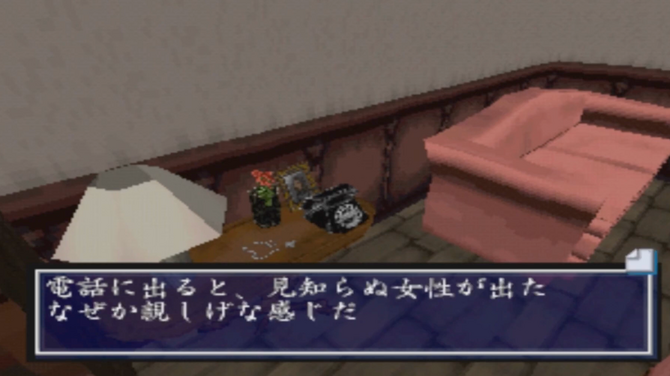
Once you’ve collected all the spirit photos and continue exploring, you’ll hear the “ri-ri-ri-ri” ring of an old-fashioned telephone.
Enter the parlor where the sound is coming from, pick up the receiver, and you’ll hear the voice of a mysterious woman. Apparently, she wants to “preserve your (the player’s) memories,” and from then on, you’ll be able to save your game using this black telephone.
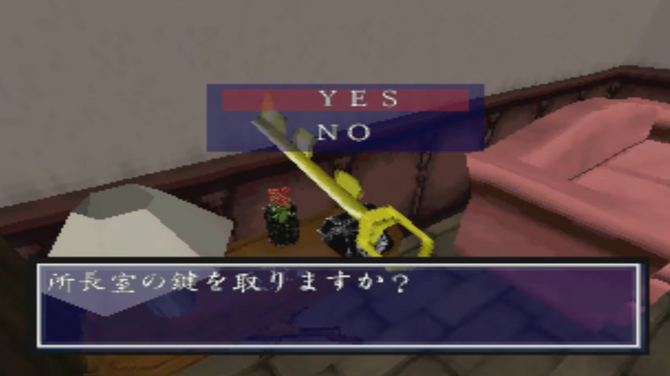
While you’re at it, examine the photo frame nearby to discover the “Key to the Director’s Office.” You’ll then decide to search every room systematically until you find the Director’s Office.

One of the game’s features is the variety of areas to explore within the mansion, including bathrooms, toilets, bedrooms, the basement, and the attic. For example, the soundproof room is equipped with a cassette deck and a VCR, allowing you to play back audio materials such as the CD-ROMs and VHS tapes you’ve obtained.

It’s also interesting that you can discover many items featuring Mr. Ikeda—who is also a musician—such as keyboards, mixers, and guitars. However, these are just for examination and have no bearing on the game’s progression.

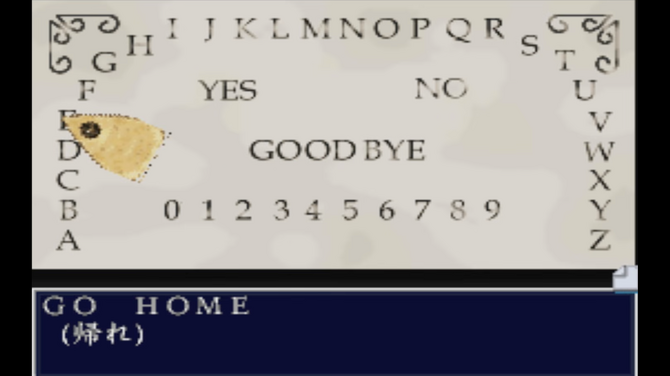
Particularly intriguing is the mysterious “Séance Room” located on the second floor. True to its name, it’s a place where you can deeply immerse yourself in occult culture, featuring tarot cards, horoscopes, crystal balls, and other items used to attempt communication with spirits.
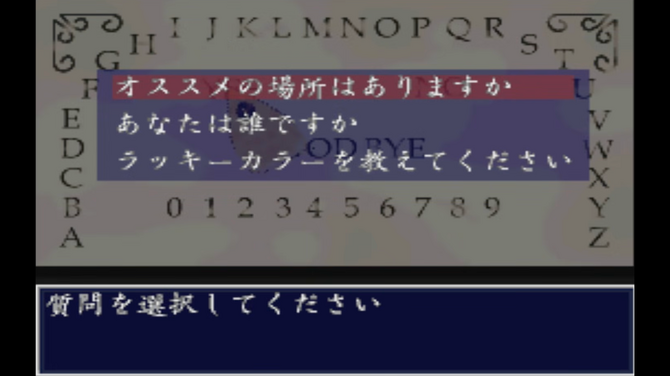
Among these, the “Ouija board” is a spirit-communication board that was commercialized in the United States in the late 19th century; its basic concept is the same as Japan’s “Kokkuri-san.” The mechanism involves placing your finger on a small board called a “planchette” to ask questions and wait for a response from the spirits.


Players can also experience “Tarot readings,” which are inextricably linked to occult culture. You can choose from categories such as “Love Fortune” and “Work and Study Fortune.” I drew a few cards, and the experience felt quite authentic and well-crafted.

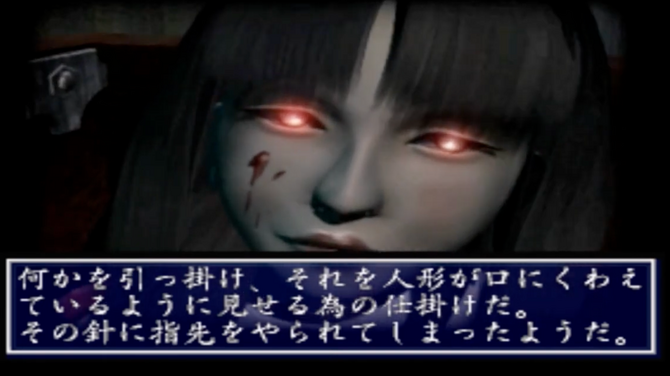
However, the building is by no means a safe place. During your exploration, inexplicable paranormal phenomena—such as poltergeist activity—occur, and ghosts suddenly appear, allowing you to experience the same fear and tension as in a typical horror game.


Experiencing these paranormal phenomena also adds related spiritual terms to your database.
To exorcise spirits or deal with these phenomena, you can use items such as silver crosses, purified crystals, and incense. The appropriate location and situation vary depending on the item used, so increasing your inventory of items is key to progressing through the game.

An element that makes the gameplay even more interesting is the unique “exorcism system.”
In addition to first-person exploration, this game lets you experience three scenarios based on real-life, famous haunted locations, such as “Inunaki Tunnel” (known as “Kunaki Tunnel” in-game) in Fukuoka Prefecture, “Oiran-buchi” in Yamanashi Prefecture, and “Hachioji Emergency Hospital” in Tokyo.
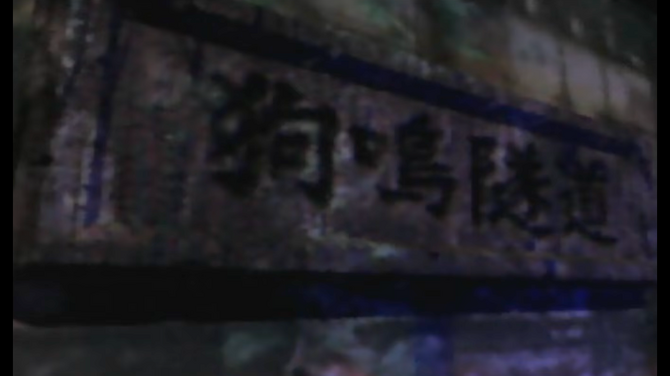
These scenarios trigger randomly when you open a door inside a building. The game features a unique visual effect where the screen suddenly warps, and before you know it, you’ve been teleported to that haunted location.
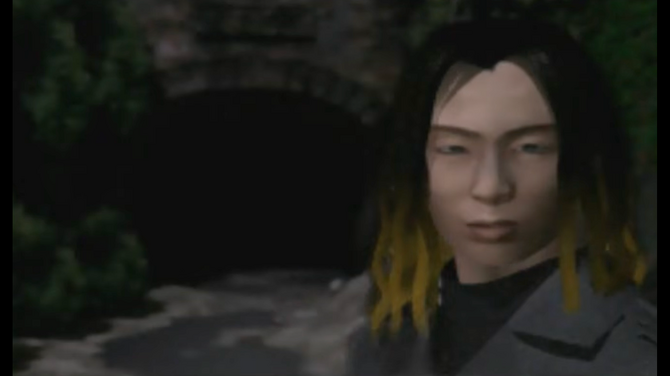
This time, let’s take a look at “Inu-naki Tunnel,” the “most terrifying haunted spot” that has spawned countless urban legends.
First and foremost, it’s worth noting that Takashi Ikeda himself appears as a fully CG-rendered narrator and guide. With a calm, composed voice, he encourages the player, saying, “Go on, then. I pray you act wisely.”
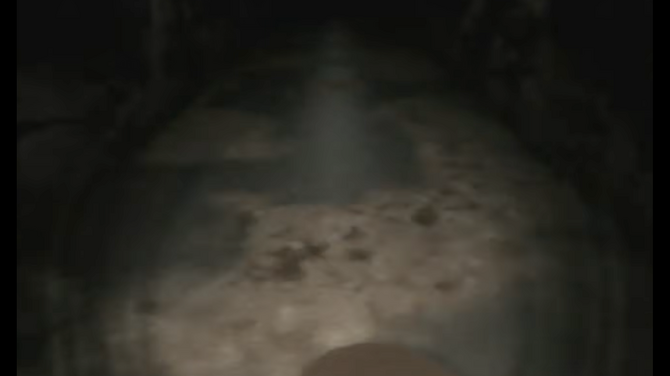
And then we enter the tunnel. What’s striking is the unique visual style, which combines 3D CG with live-action footage.
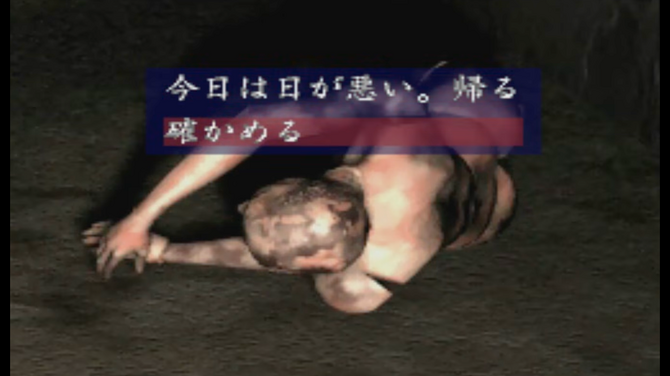
While the exploration of the research facility is built using low-poly graphics typical of the PS1, each haunted location effectively combines live-action footage with CG, recreating an authentic, immersive, and eerie atmosphere.
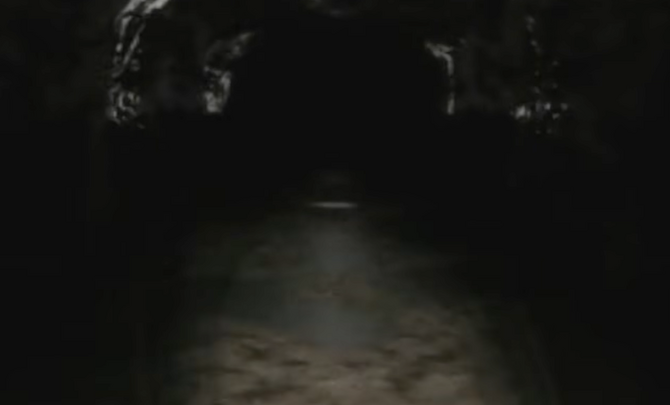
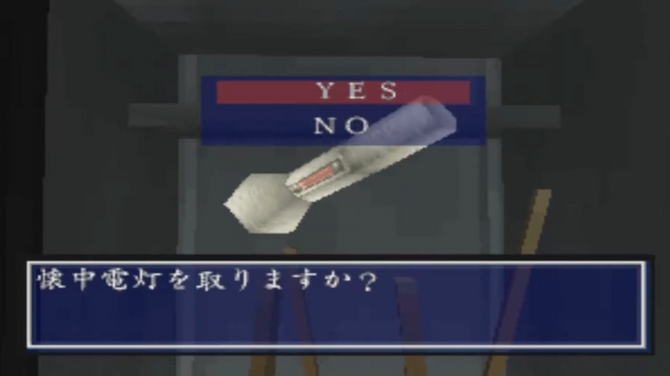
By the way, to navigate the Inu-naki Tunnel, you’ll need to pick up a “flashlight” inside the mansion beforehand—otherwise, it’s too dark to proceed.
Additionally, reading the newspaper articles about the incident makes the game easier to complete—the way the investigation and exorcism segments are tightly intertwined is one of the game’s strengths as a horror adventure title.
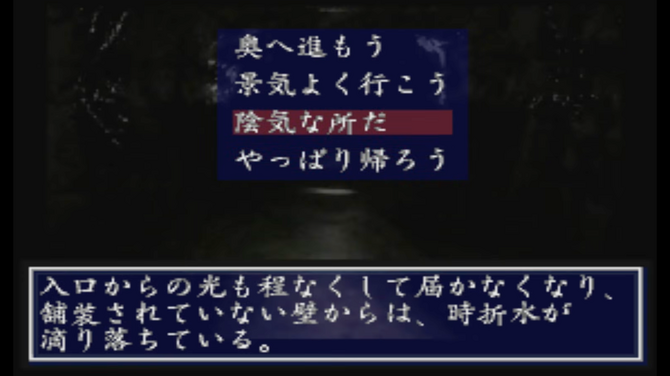
Unlike exploring the mansion, the story progresses based on your choices. For now, I’ll choose “Go deeper” and head further in.
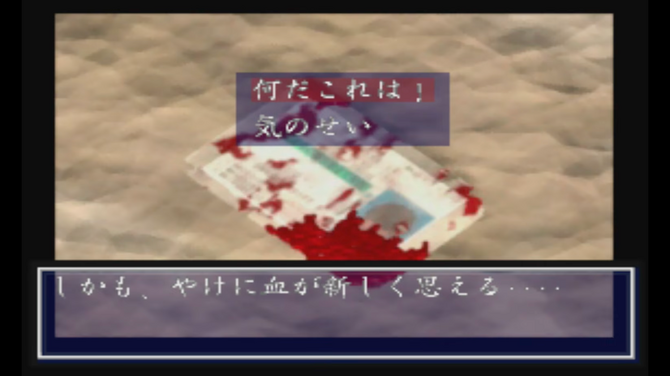
Then, you discover someone’s driver’s license caked in fake blood. Just as you’re thinking, “Why is this here…?” the flashlight suddenly goes out without warning, and the area is plunged back into total darkness…!
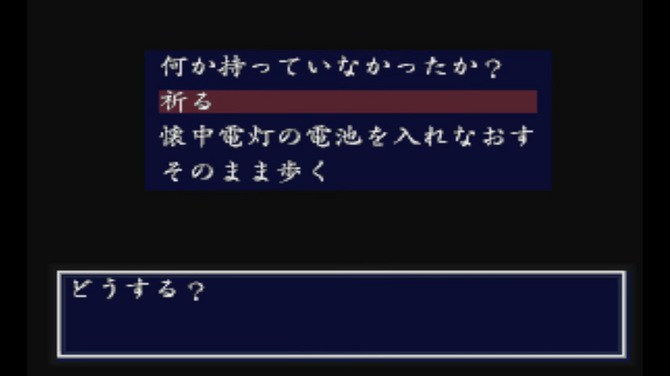
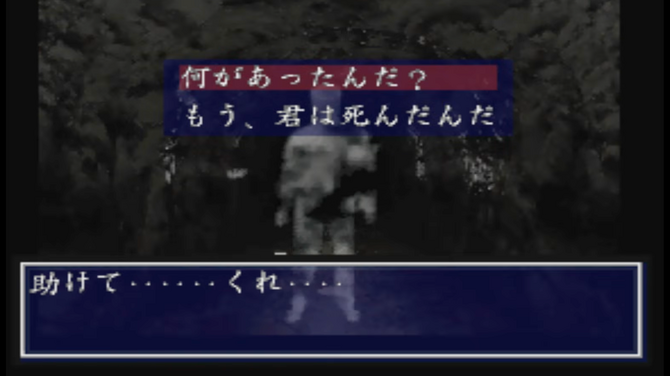
Staying calm and composed, I select the “Pray” option—and to my surprise, a wispy, smoke-like spirit appears right before my eyes. Is this the true form of the ghost haunting the Inu-nari Tunnel?
It’s a terrifying sight, but you can’t exorcise the spirit without first trying to talk to it and understanding the full story of what happened here.
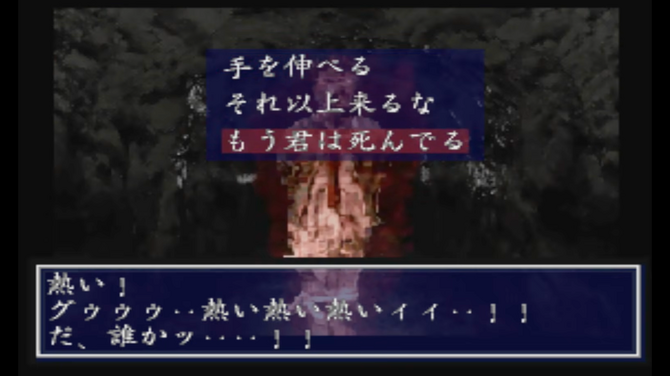
And when you tell it, “You don’t have to suffer anymore,” the spirit transforms from its mist-like state to reveal its “miserable true form”—its limbs bound, its entire body burned by flames, its clothes torn to shreds, and its skin covered in fresh wounds.
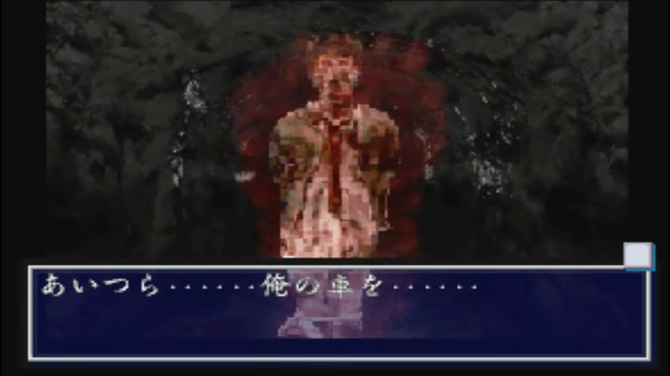
At “Inunaki Pass” in Wakamiya City, Fukuoka Prefecture—the real-life location that inspired this tunnel’s design—a truly sickening incident actually occurred in 1988: a group of delinquent youths picked a fight with a 20-year-old man, stole his car, held him captive, and ultimately burned him alive inside the tunnel.

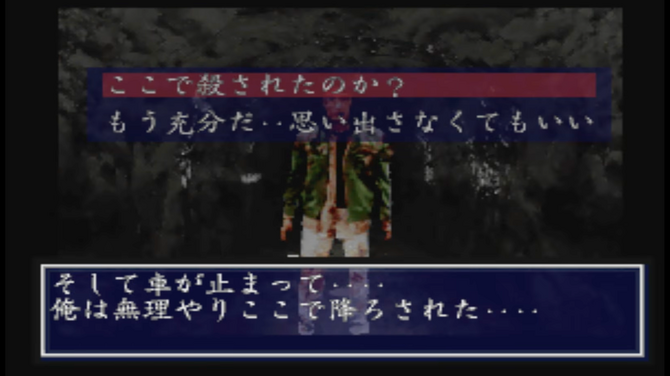
Players must purify the spirit harboring this intense grudge, but the key here is not to unconditionally agree with the man’s pleas, but to calmly inquire about the circumstances.
For example, if you sympathize with the man’s suffering and choose “That’s enough—you don’t need to remember any more,” you’ll end up pushing him away, causing the mission to fail. You’ll be sent back to the research facility.
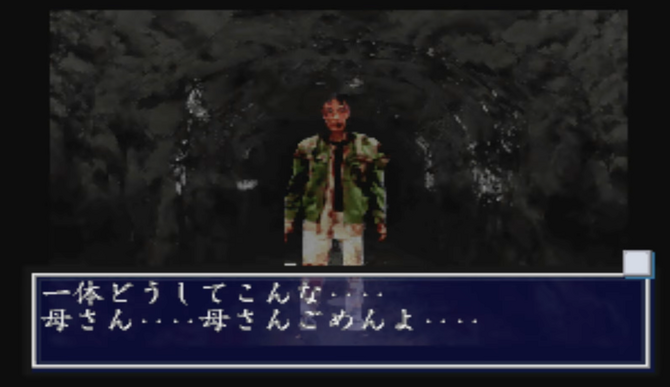
The key is to choose options that draw out the background of the incident while still understanding his sense of injustice. Furthermore, toward the end of the game, “praying” for the man is also crucial to successfully performing the exorcism.
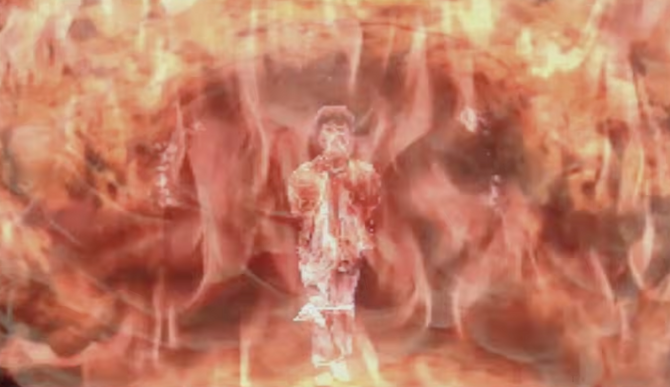
A major appeal of this game is its system—which isn’t just about “defeating spirits,” but rather “understanding the background behind a ghost’s appearance with the goal of exorcism and purification”—a mechanism that reflects Takashi Ikeda’s unique perspective on the supernatural.
However, as a game, it does have some drawbacks—such as progress being stalled by random events and choices that require very careful judgment—making it somewhat challenging and inconvenient.
◆ The Legacy of Takashi Ikeda in *Reikoku*
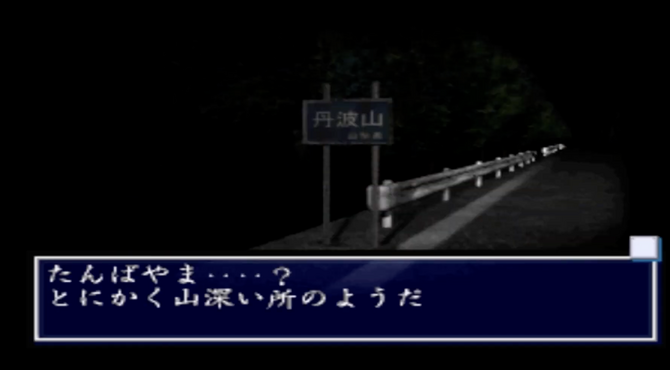
This title has its challenges in terms of playability—such as highly random events, unclear item functions, and choices that require restarting if you fail—and it’s undeniable that it remains somewhat rough around the edges as a pure game.

That said, rather than simply treating “paranormal phenomena” or “ghosts”—the sources of fear—as “enemies” to be eliminated, as is common in typical horror games, the game design encourages players to confront their backgrounds and guide them toward salvation. This approach is richly imbued with Takashi Ikeda’s unique perspective on the supernatural, which I find truly remarkable.

Mr. Ikeda’s intention—to convey the meaning behind paranormal phenomena and how to deal with them, rather than treating them merely as entertainment devices to scare people—has undoubtedly been passed down to this title.
I also appreciated how *Reikoku* vividly captures the distinct culture of the 1990s—a time when, just like I did, people were obsessed with paranormal TV shows, let their imaginations run wild with ghost stories and urban legends, and felt both fear and curiosity toward unknown phenomena.
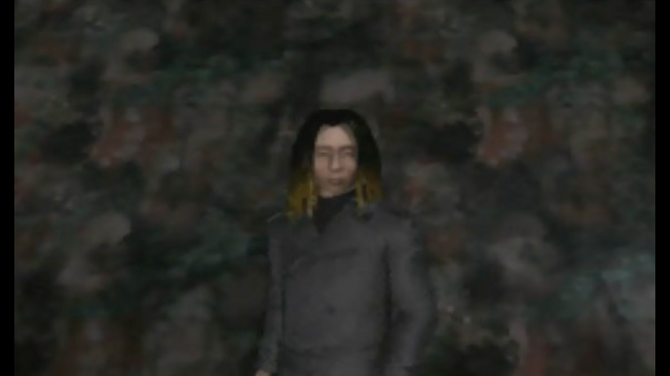
Although Mr. Ikeda himself was unable to see the game’s completion, his unique sensibility—spanning music, the occult, and digital media—has taken shape as a single game.
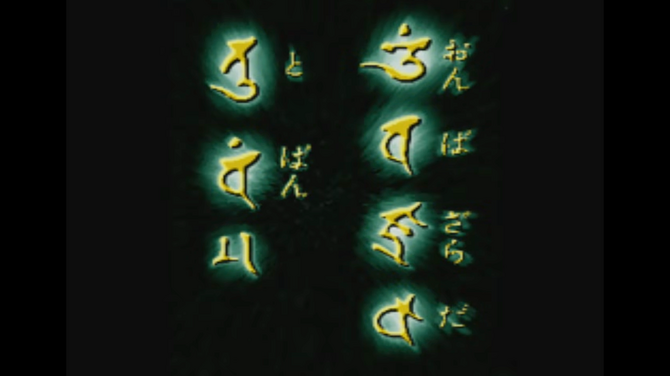
It’s not merely a project supervised by a celebrity; it’s a game where players themselves can experience the world pursued by the extraordinary artist Kizoku Ikeda. That, I believe, is the unique value of *Reikoku*—and the source of its enduring appeal.



