


*“The Origins and History of Video Games” is a series produced in collaboration with the Game Preservation Association.
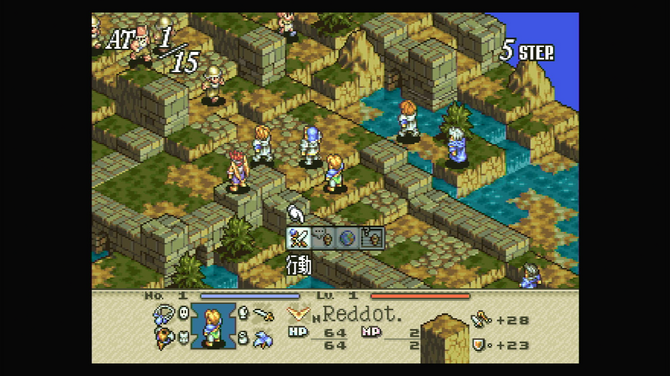
“Simulation RPG (SRPG).” When readers hear this term, many likely imagine a strategic game where you control multiple characters. It is said that this genre name originated in Japan.
If we trace it back to its roots, there are “war simulations” (also known as “war games”), in which pieces are moved on a board turn by turn, and the origins themselves can likely be traced back to analog games and military wargames.

The genre name “Simulation RPG” in Japanese video games is thought to have emerged when the aforementioned term “Simulation (SLG)” merged with the Japanese context and terminology of “RPG.” In terms of content, it can be described as a blend of the strategic elements of simulation and the dramatic elements of RPGs. However, even that is not a definitive “condition” for establishing this genre.
We use the term “simulation” with the general understanding that it refers to “strategic games.” And at some point, we began calling games with specific tendencies or atmospheres “simulation RPGs.”In this article, we’ll focus on four simulation games with SRPG-like tendencies that emerged during the “pre-dawn” period, before the term “SRPG” had become widely accepted. We’ll trace the intersection and fluctuations between the two cultures of simulation and RPG.
*Silk Road* — A Trade Route Buried in History and Dust
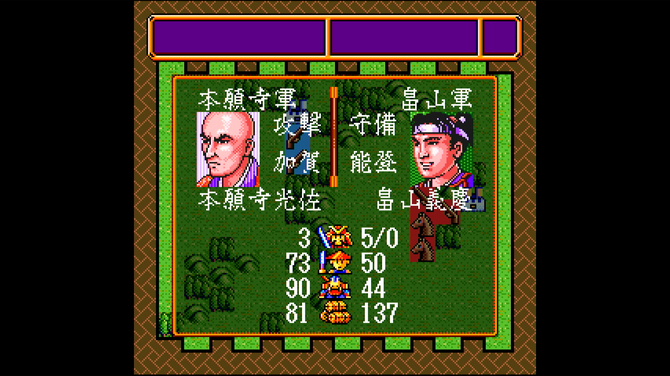
When it comes to famous strategy simulations in Japan, Koei’s (now Koei Tecmo Games) *Nobunaga’s Ambition* series comes to mind. This series is a representative title widely recognized even by non-gamers. From the first installment released in 1983 to the present day, it has played a major role in shaping the public image of this genre in Japan.
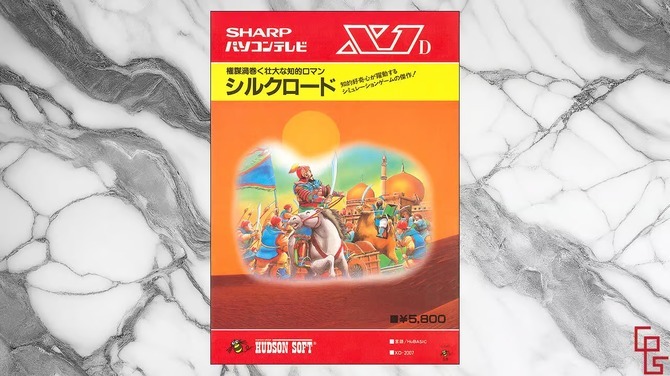
In fact, in the same year that *Nobunaga’s Ambition* was released, a historical simulation set in a time and place different from Japan’s Warring States period was also released. That game was Hudson’s *Silk Road*.
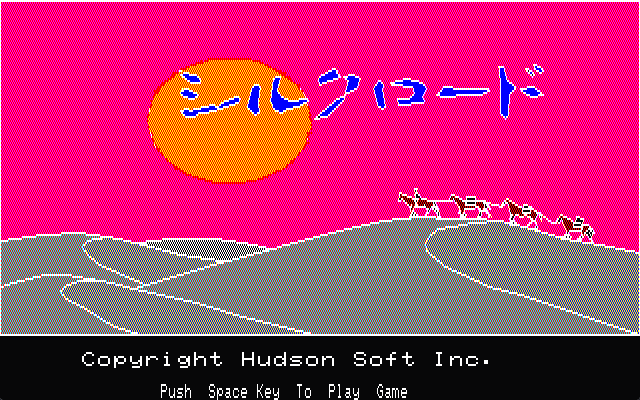
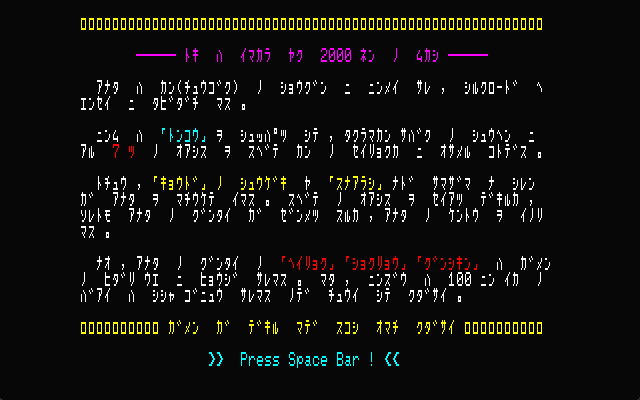
As the title suggests, this game is set along the “Silk Road,” the ancient trade route connecting the East and West. Players take on the role of a general in the Han Dynasty during the 1st century BCE and undertake the “Western Regions Expedition” mentioned in the subtitle.
What the Han Dynasty seeks are the cultures and goods of the Western Regions—a world unknown to them. Whereas Nobunaga aims to unify a specific region—Japan—the Han Dynasty expands further and further westward to establish trade and military routes.
To complete the game, you must force the seven oasis states to surrender through military might or financial power.When people hear “Silk Road,” they often imagine a single road crossing from east to west, but in reality, it was a network consisting of multiple trade routes. The “Western Regions” depicted in this game stretch from Dunhuang in the east to Kashgar in the west, and the routes connecting them are represented—albeit in a simplified manner—as a network.
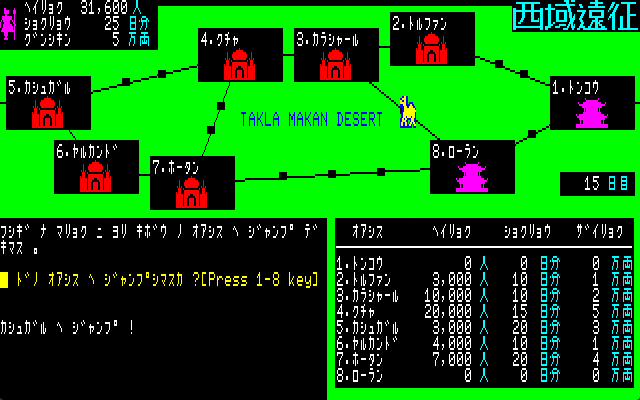
What stands out when comparing *Silk Road* to modern historical simulations is the harshness of travel.Caravans traveling through the desert face various hardships along the way, such as attacks by the Xiongnu (nomads), sandstorms, and camels running away. On the other hand, the gameplay involves a strong element of luck, as players may discover treasures or suddenly “warp” to an oasis kingdom.
This approach gives the game a feel that differs somewhat from the image of mainstream historical simulations today. For example, in *Nobunaga’s Ambition*, while there are random elements such as natural disasters, the standard strategy—expanding one’s influence through political maneuvering, securing funds, strengthening military power, and engaging in battles—generally holds true.In contrast, this game features a high degree of randomness, and events do not always follow that standard formula. In some ways, it might even feel similar to “The Game of Life.”
This is likely because the subject matter itself carries the nature of “adventure” and “gambling.” For the Han Dynasty caravans, the Western Regions were an unknown desert where anything could happen. Moreover, this journey was a high-stakes gamble. The destination was far away, and turning back immediately was not an option.Even if they are lucky enough to survive, they cannot simply return home empty-handed. In fact, historical texts such as the *Book of Han* and the *Records of the Grand Historian* document the harsh experiences of those who undertook expeditions to the Western Regions.
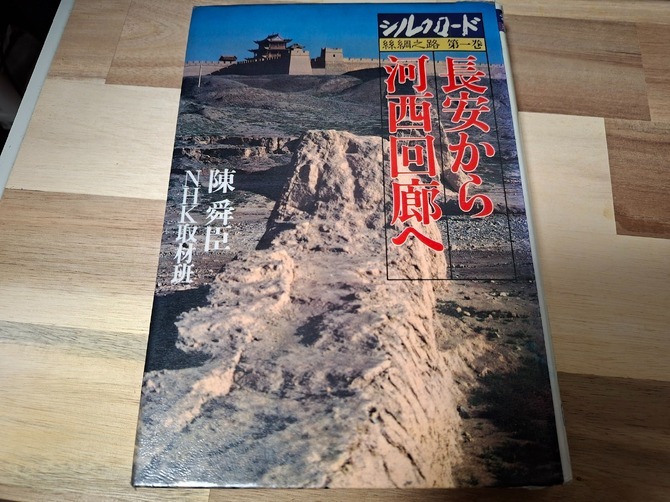
Why were games based on the “Silk Road” released at that time? It has to do with the historical context surrounding the game’s release.In fact, at that time, Japan was in the midst of a “Silk Road boom.” The catalyst for this was a documentary series titled “NHK Special: The Silk Road—Shichū no Michi,” which began airing in 1980.This was a monthly series, and in 1983—the year this game was released—Part 2, “The Road to Rome,” was currently airing.
In a sense, the Silk Road boom even spread to video games—which were a cutting-edge medium at the time—and it can be said that this title was born out of that influence. Although this boom was that widespread, games specifically themed around the Silk Road itself are not particularly numerous in the history of Japanese gaming.Furthermore, *Silk Road* did not become a series, nor did it achieve the level of fame necessary to directly influence other games.
That said, it is certain that this boom helped solidify the image of “ancient trade routes” in Japan and provided tremendous inspiration for many creative works, including video games. This title is remembered as one example that illustrates that influence.
The real Silk Road gradually declined as the world transitioned to widespread global trade following the Age of Discovery, only to be “rediscovered” in modern times. Then, in 1980s Japan, it was embraced as a fantastical concept that evoked a certain kind of “dream” or “romance.” Imagining and exploring what lies buried in history—People call this “archaeology.” Reflecting on *Silk Road* here and now can also be seen as one such endeavor.
This game was both an alternative strategy game (SLG) that remained in the shadow of *Nobunaga’s Ambition* and a title that incorporated SRPG-like elements… that’s how we might characterize it today.The theme of this game—setting out on an adventurous journey toward a distant horizon, with death ever at one’s side—isn’t that far removed from the image we have of RPGs, is it?
The Battle for SRPGs Has Begun! *Elsリード*
The “RPG” part of “simulation RPG” is often associated with “fantasy” imagery, given the genre’s origins.For example, the *Fire Emblem* series—known as one of Japan’s representative SRPGs—features a medieval European-style world and is a fantasy war chronicle featuring magic, dragons, and pegasuses. *Elsread* was a pivotal work in the emergence of this genre of fantasy SRPGs.
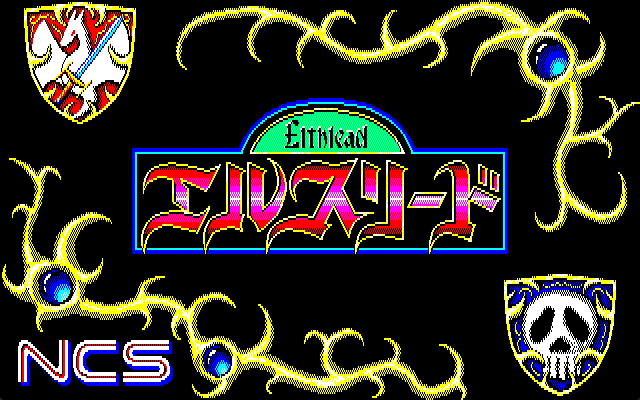
The game depicts the battle between “Sieghardt,” the king of the Kingdom of Light, and “Bozel,” the king of the Kingdom of Darkness. Players take on the role of one of these kings, leading their armies to victory by capturing all enemy strongholds. While combining strategic simulation with a fantasy world is commonplace today, it was a groundbreaking approach at the time.
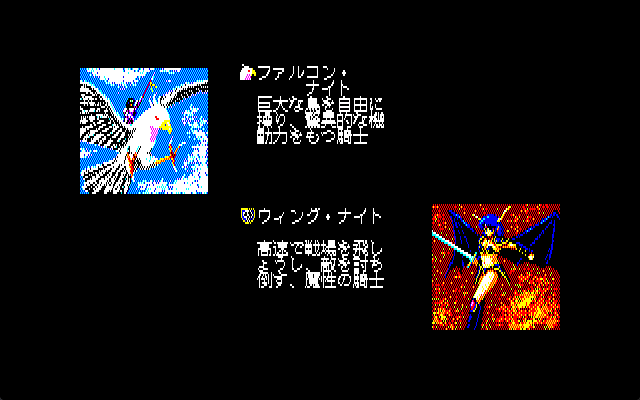
Coincidentally, in the same year as this title, System Soft released *Fantasy Night*, which also fused simulation and fantasy. It could be described as the fantasy version of the company’s flagship *Grand Strategy* series (the first installment, *Modern Grand Strategy*, was released in 1985), which featured war simulations using modern weaponry.Furthermore, in the home console market, with the release of *King of Kings* (1987) by Namco the following year, this period marked the time when fantasy SLGs began to gain widespread popularity.
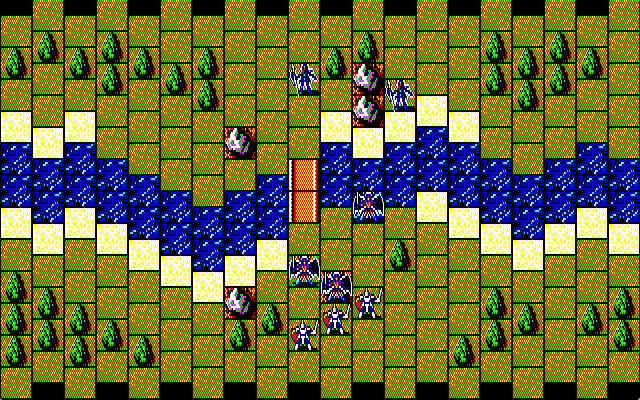
In modern SRPGs, it is common for each unit to have its own unique character and stats, as seen in the aforementioned *Fire Emblem*. In contrast, in this game, all units other than the commanders Sieghardt and Bozel are merely foot soldiers.The only difference between the soldiers is their military branch, and since their stats depend on that branch, they do not grow or change individually, giving the impression that they are purely “pieces” on the board. While this game contains elements that would later lead to modern SRPGs, it can be said to retain characteristics of earlier SRPGs.
A defining feature of this game is “magic,” which commanders can use once per turn. This allows them to alter the combat capabilities of troops within a designated area or summon powerful dragons, so the timing of its activation greatly influences the course of battle.
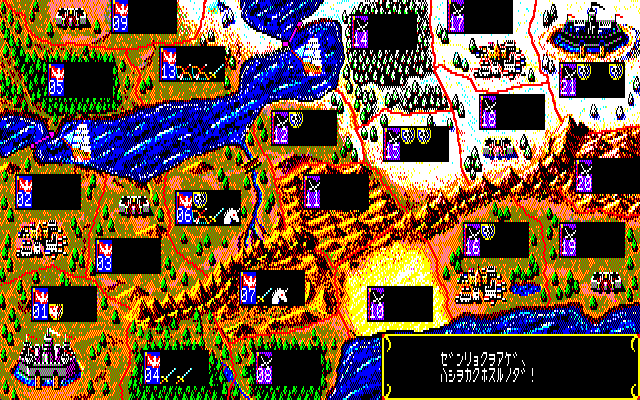
“Elsリード” subsequently expanded the series with “Gaia’s Emblem” and “Gaiframe” (both released in 1987), evolving into titles featuring a commander-based system rather than one centered on individual soldiers.Among these, the *Langrisser* (1991) series—which continues to this day—branched off from this lineage to become a new trend in its own right.
If *Elsleid* introduced the top-down command system, *Langrisser* adopted a format in which multiple generals, each with their own distinct personalities, commanded their respective units. This led to the game’s evolution into an SRPG featuring more RPG-like drama and scenarios.It can be said that *Elsreed* was a crucial milestone just before the genre took its first steps toward becoming an SRPG in the modern sense.
The Fusion of the Individual and the Collective, RPG and Simulation—*First Queen*
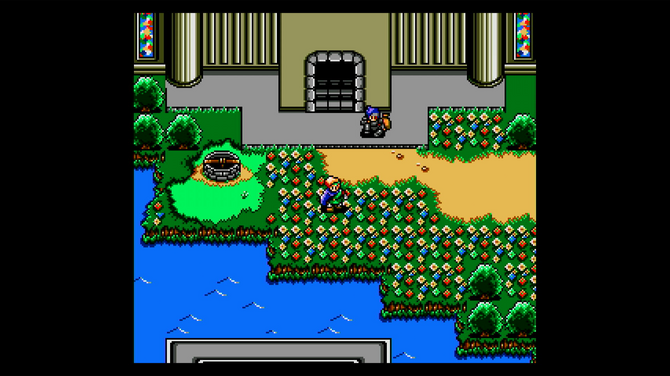
Not only simulations featuring RPG-style world-building, but also games where the line between simulation and RPG is blurred are sometimes categorized as simulation RPGs. Sega’s *Shining* series is a prime example of this.The first installment, *Shining & the Darkness*, was a dungeon RPG, but the second, *Shining Force: Legacy of the Gods*, carried forward that worldview while evolving the series into an SRPG featuring top-down RPG elements reminiscent of *Dragon Quest*.Since the 2000s, the series has continued to release new titles with a primary focus on RPG gameplay.

In terms of blending genres, *First Queen* is a truly unique title. Based on a medieval fantasy setting, it introduced “melee” combat reminiscent of modern RTS (real-time strategy) games. The system, in which players lead a squad of up to 18 units into real-time combat, was extremely groundbreaking at the time.Furthermore, this title follows in the footsteps of *Silver Ghost* (released in April 1988; *First Queen* was released in December of the same year), which was also released by the same company that year.
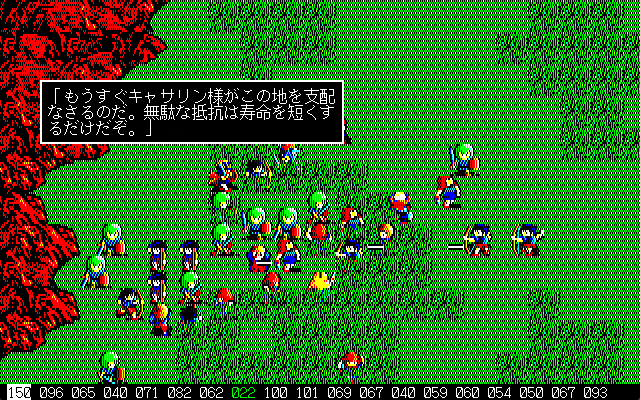
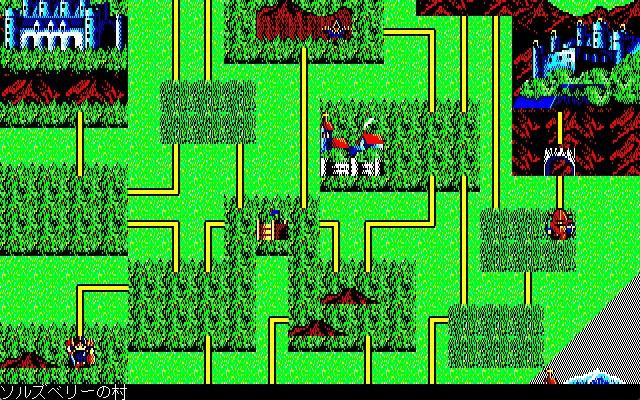
The gameplay experience of moving characters and navigating the map in real time is similar to that of an RPG. In fact, later sequels were labeled as “Real-Time RPG Simulations” on their packaging (the first title was classified as an “Active Simulation”). The game’s overall map consists of interconnected, segmented areas.The enemy “Ornic Army” is stationed to the north, while the allied “Cardic Army” is stationed to the south; combat breaks out when both armies enter the same area. The player aims to defeat Catherine, the Queen of Ornic, while moving northward and defending their own territory from the enemy advancing from the south.
At the center of the story is the “Earl of Richmond,” whose kingdom was burned to the ground; if he is defeated, it’s game over. However, he is not the only character the player can control. You can select a leader from among your own characters to form units, and then switch between and command each unit. You can also control individual soldiers within a unit.While not every soldier has a unique story, each has their own name, personality, and other attributes, and once they are killed in battle, they cannot be revived. A major feature of this game is how the lives and deaths of individual soldiers are vividly portrayed, even within the context of large-scale battles.
“First Queen,” in which everything from exploration to combat unfolds seamlessly in real time, was a title that attempted to fuse genres in an innovative way. On the other hand, numerous titles also emerged that clearly separated and ran RPG and simulation elements in parallel within a single game.
Starting with the
aforementioned *Shining Force*, titles such as *Just Breed* (©1992, Enix; now Square Enix), *Albert Odyssey* (©1993, Sunsoft), and *Rig Road Saga* (©1995, Sega/Microcabin), among others—became a major trend in the 1990s.
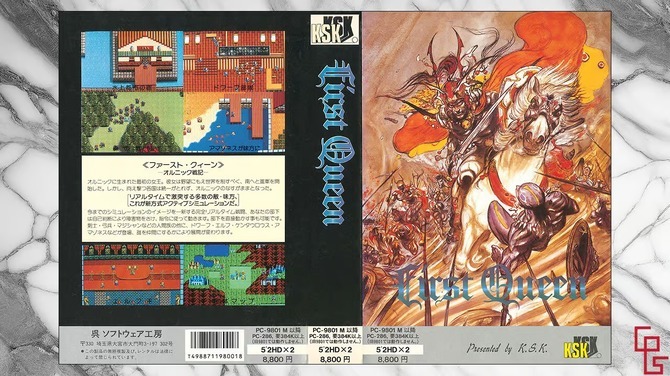
“First Queen” stood out with its unique system, staying ahead of this trend. Although no completely new titles have been released for quite some time, the developer, Kure Software Kobo, has released a remake titled “FirstQueen1 NEXT” for iOS, Steam, and Nintendo Switch, making it easily accessible even today.It is a title well worth experiencing to understand the evolution of RTS and SRPG genres.
An Attempt at “Correct History” (Simulation) – *Schwarzschild*
So far, we’ve introduced works based on history and fantasy, but simulations set in the world of science fiction and space also enjoy enduring popularity. Even among the analog war simulations mentioned at the beginning, there are those themed around space combat—a genre that has been beloved since before the widespread adoption of video games.
Later, in the 1980s in Japan—as home video game consoles and PC games began to gain popularity—Yoshiki Tanaka’s space opera novel *The Legend of the Galactic Heroes* became a huge hit.The series has been adapted in various forms, including anime and stage plays, and has also been turned into video games. In particular, the *Legend of the Galactic Heroes* series released by Bostech/Microvision starting in 1989 was highly acclaimed as a strategy simulation that faithfully recreated the original work’s worldview and storyline.
However, even before these “Legend of the Galactic Heroes” video games, a strategy game set in the galaxy had already been released in 1988. That game was Kogado Studio’s *Galactic Storm: Schwarzschild* (hereinafter referred to as *Schwarzschild*).Set in the distant future, in a galaxy where numerous nations vie for supremacy, the player leads the small nation of “Sancri” in an effort to unify the entire star cluster.
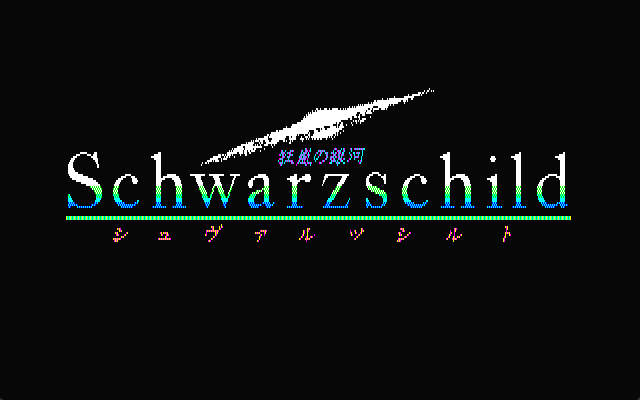
A key feature of this title is that, while it takes the form of a full-fledged simulation, it also features a clearly defined scenario progression. In games that emphasize storytelling, it is common for the progression to be divided into distinct stages; however, in this title, players are granted a certain degree of freedom of action, and the story unfolds on a vast scale across the overall map.
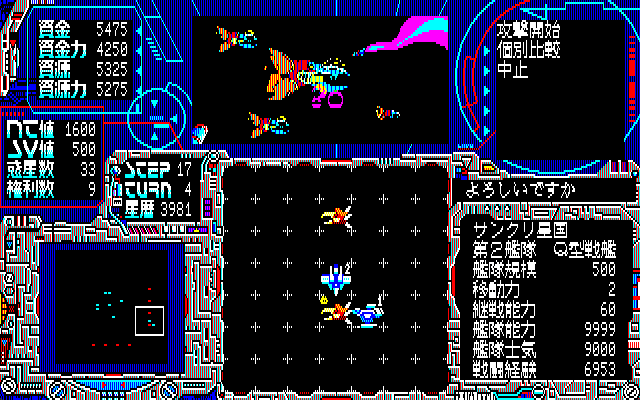
In *Schwarzschild*, the timing and nature of events are predetermined, and players cannot significantly alter the plot. Only by acting appropriately in accordance with the predetermined course of history can the story progress. As a result, players will experience “Game Over” multiple times before they grasp the correct approach.
In modern video games, there is an increasing trend toward designs that incorporate these failures into the system itself, either to provide benefits to the player or to encourage progress through the game. Roguelike titles such as *HADES* are prime examples of this.
Furthermore, outside of video games, the “time-loop” genre—which features themes such as rewinding time—is popular in fiction. Video game-like motifs are often incorporated into these works. Conversely, there are also many video games where the game system is built around the scenarios and settings of a “time-loop” story.
Games are a medium that allows for trial and error. Similar to the purpose of the wargames mentioned at the beginning, they can be described as a “hypothetical history” that allows players to simulate future developments and learn from their failures.
The structure of these “time-loop” stories is deeply intertwined with genres such as “alternate history” and “fictional war narratives.” These are fictional techniques that either cause actual history to diverge into a desired form or depict events based on “what-if” scenarios.Games like *Nobunaga’s Ambition*, in which Oda Nobunaga—having avoided the Incident at Honnō-ji—aims to unify the country, can also be described as taking an alternate history approach.
In contrast, *Schwarzschild* requires players to align themselves with the “correct history” established by the game. Rather than changing the world, it’s an approach where the player’s actions are adjusted to fit the world as it is.
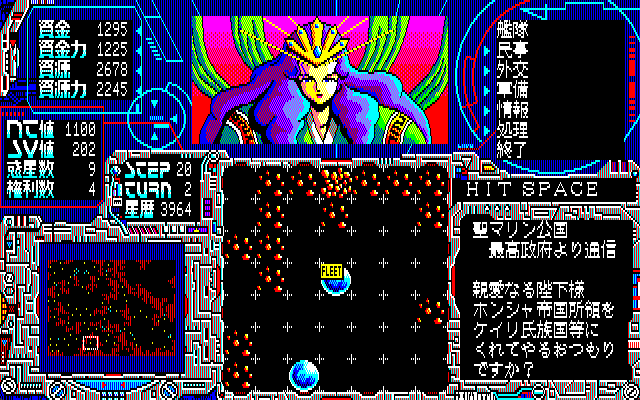
While the strategies and scenarios are essentially predetermined, the fact that this game’s design gives the impression of the freedom typically found in standard SLGs at first glance may seem somewhat unfriendly from a modern perspective.
Strategy games (SLGs) can be described as a genre akin to fictional war chronicles, where players intervene in and experiment with the overarching setting to enjoy watching it evolve.On the other hand, SRPGs have a predetermined storyline, and within that framework, players enjoy localized combat. This could be described as the difference between long-term “strategy” and short-term “tactics”—or perhaps that the former is more game-oriented, while the latter is more story-oriented.
*Schwarzschild*, which appeared just before the dawn of the SRPG era, attempted to incorporate what we would now call SRPG-style dramatic storytelling while retaining the framework of a strategic SLG. From today’s perspective, this is what makes this title unique.
Looking at the subsequent evolution of SRPGs, it appears that the stage-clearing format—which adds branching paths to a linear scenario—has become the mainstream. While this title may be a somewhat unique case, it is believed that this shift toward a more accessible design led to the perception that “SRPGs are more approachable and easier to play than SLGs.”
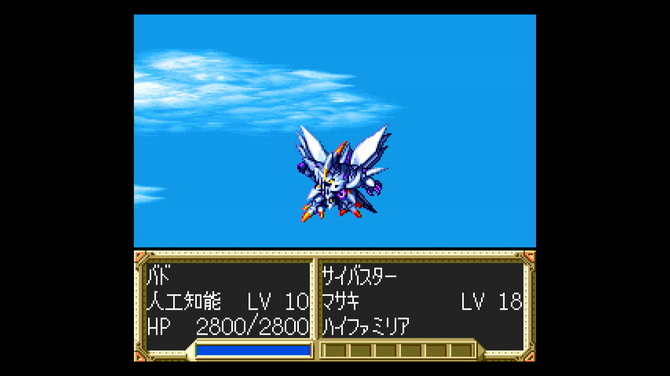
For example, the *Super Robot Wars* series (the first title was released in 1991; hereinafter *Super Robot Wars*) is characterized by stage-clear progression, a story with branching and converging paths, simple controls, and a relatively moderate difficulty level.
The early *Super Robot Wars* series featured a unique concept called “Simurama.” This is a portmanteau of “simulation” and “diorama.” A diorama—in which terrain is created on a board and units are placed on it—closely resembles the map structure of simulation games.As a setting for thought experiments that “simulate” what kind of drama might unfold when characters from different robot series are brought together, the concept of a diorama serves as a highly fitting metaphor.
In a sense, “Simulama” is a term that metafictionally encompasses “simulation” within the framework of drama and story.

Let’s return to *Schwarzschild*. This title lacks the freedom for historical alteration or strategic simulation gameplay. Nor does it specifically depict, within the story, the kind of experimentation and trial-and-error drama found in *Super Robot Wars*’ “Simulama.”

However, in the sense that players themselves must repeatedly engage in trial and error and experimentation to arrive at the hidden “correct history,” it can be said that the game shares an underlying structural similarity. Players who repeatedly recreate and verify the universe on the game board may appear, at first glance, to be observers, but in reality, they are being tested by the conditions presented by the game.

While this title strongly evokes the characteristics of the early days of SRPGs—which emphasized drama—it also stands out for its unique approach to interaction with the game itself.
Where dreamlike histories intersect
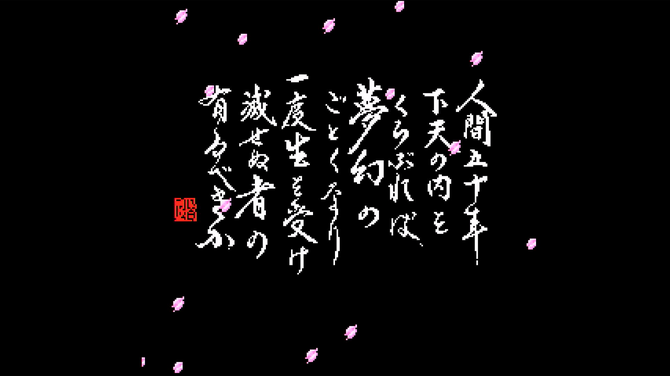
When looking back at the history of Japanese strategy simulations, landmark titles such as *Nobunaga’s Ambition* and *Fire Emblem* are indispensable. The impact these games have had on the industry is immense. However, there is a history that tends to be overlooked when focusing solely on the mainstream trajectory.
There were multiple paths in the evolution of simulation games, and in Japan, “simulation RPGs” were born when another path—that of the “RPG”—intersected with them at a certain point. Even their origins and development cannot be explained by a single, linear trajectory.
The evolution of simulation and simulation RPGs continues to this day. Rather than moving in a single direction, this evolution has been shaped by repeated cycles of diverse trial and error and mutual influence. Among these, there were approaches—such as *Silkroad*—that have been discussed less frequently as times have changed.
Continuing to discuss these topics using the terms “simulation” and “simulation RPG” may be seen as an attempt to reexamine the trajectory of various challenges that connect the past to the present and to discover their significance.
The “Game Preservation Association” is currently recruiting supporter members
This article is brought to you in cooperation with the Game Preservation Association, a specified nonprofit organization. On the organization’s official website, they are currently running a series called “Preservation Records,” which features games related to a specific monthly theme, accompanied by short videos that change weekly.
The theme for September was “The Lineage of SRPGs.” This article was newly written by Game*Spark based on that theme.
Note that the theme for each month is revealed in the email newsletter sent by the Game Preservation Association when the fourth game of the month is introduced. If you’re interested in the Association’s activities, why not take this opportunity to register as a supporter member?
Click hereto register as a
“Game Preservation Association” supporter member



