The original PlayStation of the 1990s featured many unique games that are rarely seen today. Among them, “live-action adventure games”—which incorporated actors’ performances and footage—were an intriguing genre that explored the possibilities of both the visual technology and game design of the time.
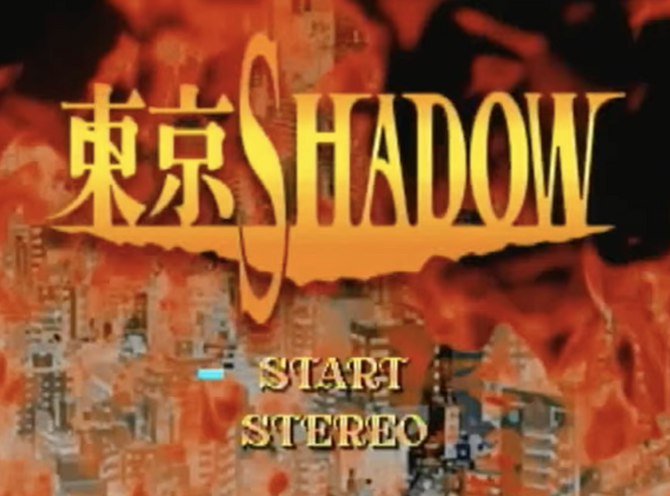
Today, we’re featuring “Tokyo SHADOW,” a live-action horror adventure game for the PS1 released by Taito on September 27, 1996. A Sega Saturn version was also released on April 25, 1997.
The game is based on the supernatural novel *Tokyo SHADOW* by Fumi Nishitani, best known as the original author of the *Digital Devil Story* series, and features a star-studded cast including Mai Hōshō, Hayashi Hagiwara, and Akira Takarada.
The story is set in Shibuya, Tokyo, in the 1990s. This occult suspense tale—centered on the supernatural phenomena lurking beneath the bustling entertainment district teeming with young people and the strange disappearances that occur there—unfolds through a combination of live-action footage and CGI. Just reading this synopsis is enough to get you excited, isn’t it?
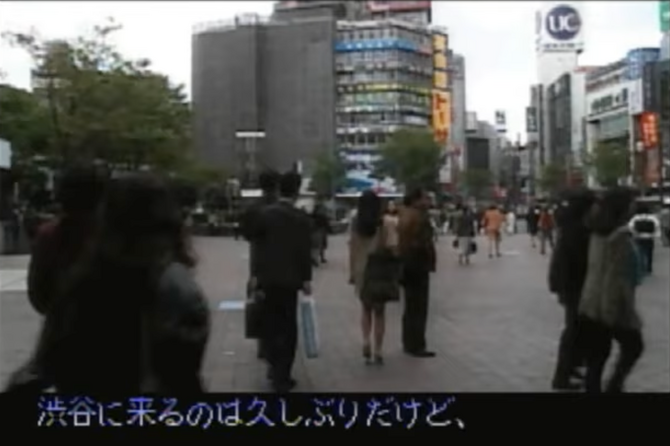
In addition to the bold premise—where the protagonist dies early on and returns as a ghost to save his lover—the game also features a multi-scenario structure with a total of 45 different endings.
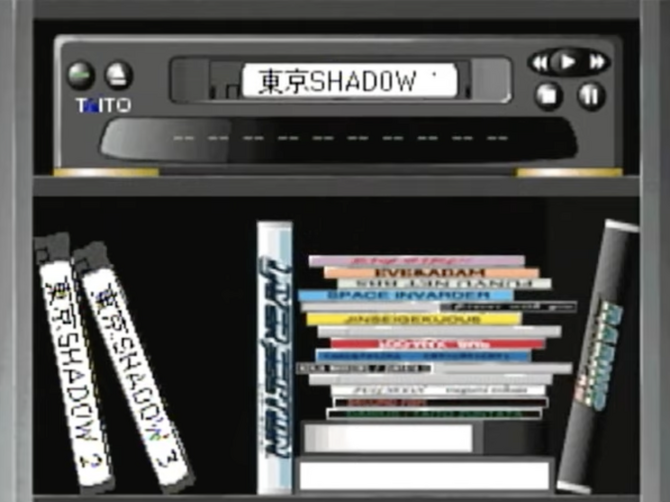
In this article, I’d like to look back on the gameplay and live-action sequences of *Tokyo SHADOW* while exploring the unique appeal of this title, which incorporates “1990s occult culture and the scenery of Shibuya.” Please note that this article contains spoilers.
◆The Protagonist Dies Out of the Blue!? An Occult Suspense Story Chasing the Strange Phenomena Lurking Beneath Shibuya
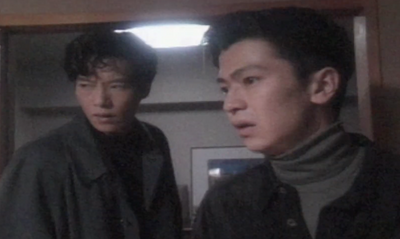
The story begins with the young protagonist, Hide (played by Makoto Araki), going on a long-awaited date in Shibuya with his girlfriend, police officer Kyoko Takagi (played by Mai Hōshō).
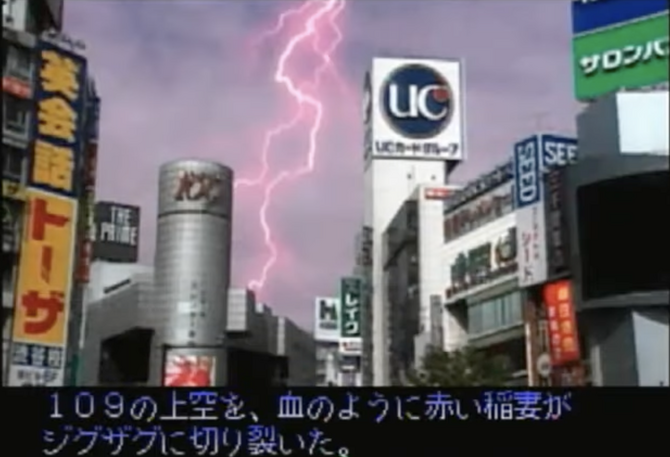
However, Kyoko is ordered by her superior to investigate a series of disappearances involving young people that have been occurring frequently in Shibuya, and the couple’s plans take an unexpected turn. Furthermore, Hide witnesses an eerie red bolt of lightning streaking across the sky above Shibuya. Soon after, he is attacked by a mysterious entity, and, shockingly, the protagonist meets his end all too abruptly early in the story.
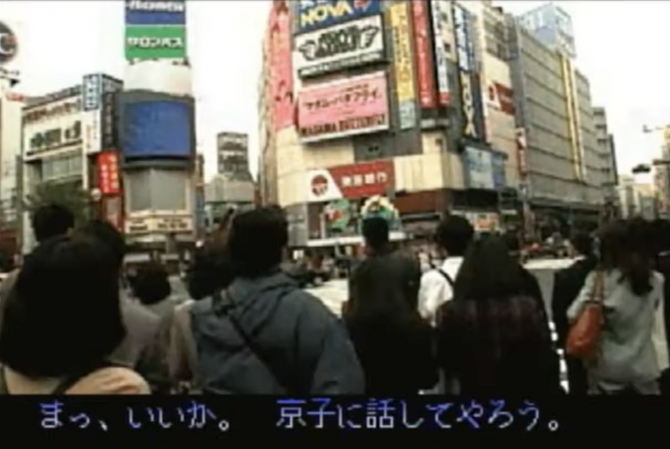
In the afterlife, Hide is told of his own death. Refusing to go to heaven, he resolves to remain in the living world as a ghost to save Kyoko, who is in danger.
Thus, the player takes on the role of the protagonist—now without a physical body—and must protect his girlfriend’s life while uncovering the truth behind her disappearance.
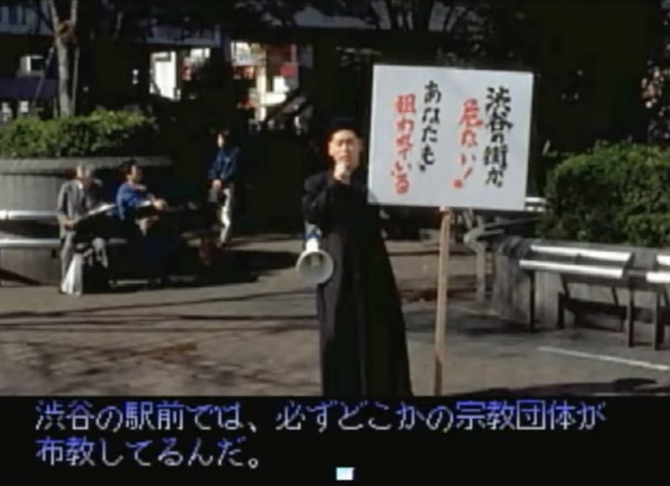
As the investigation progresses, a massive labyrinth spreading beneath Shibuya is revealed, along with a terrifying entity lurking there known as “Megido.” Furthermore, with ancient psychics, a mysterious scientist, and a U.S. military research facility all involved, the case escalates to a scale beyond imagination.
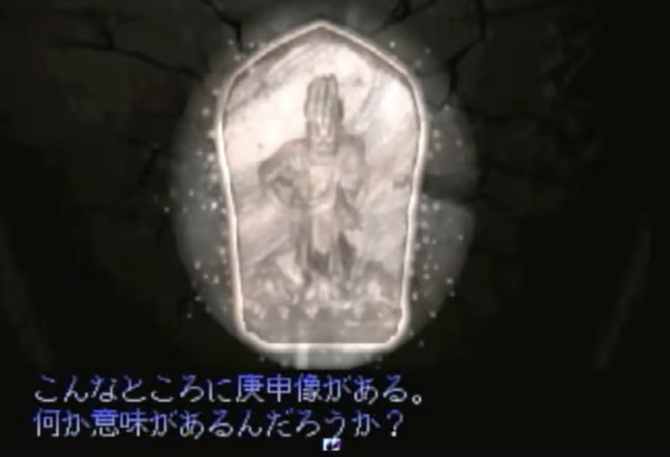
What’s fascinating about this game’s world-building is how it weaves ancient legends and supernatural beings into the real-world setting of Tokyo.
The story offers a unique interpretation of places like Yoyogi and sacred trees, establishing that a Megido—which once ruled the Shibuya area—is sealed there. The premise is that beneath Shibuya, where people go about their daily lives, lies a parallel world cut off from modern society.
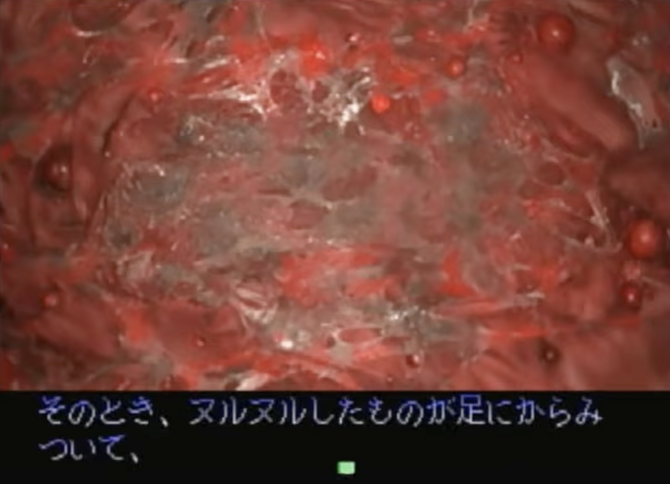
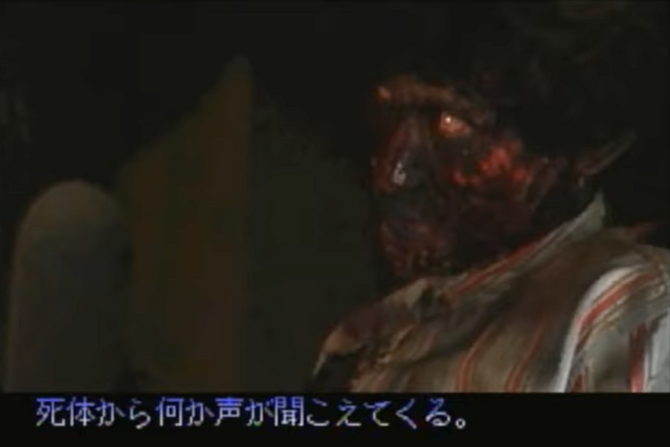
While police investigations into the disappearances proceed above ground, zombies and bizarre entities lie in wait underground. This story, where realistic incidents blend with outlandish supernatural phenomena, is packed with the charm of legendary horror characteristic of the original author, Fumi Nishitani.
◆ 45 Different Endings! A Unique Game System Where You Intervene in Fate as a Ghost
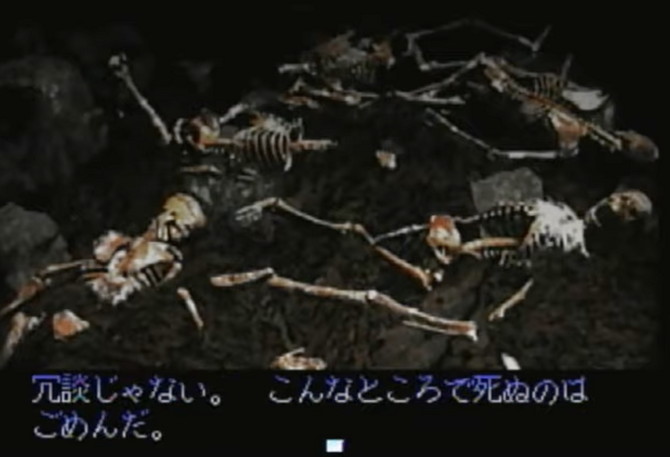
This title is an exploration adventure game that combines live-action footage, photographs, and text, with players progressing by making choices that appear throughout the story.
Rather than directly controlling a character to fight enemies, as in *Resident Evil*, the core of the game lies in understanding the situations presented through the visuals and making the right decisions.
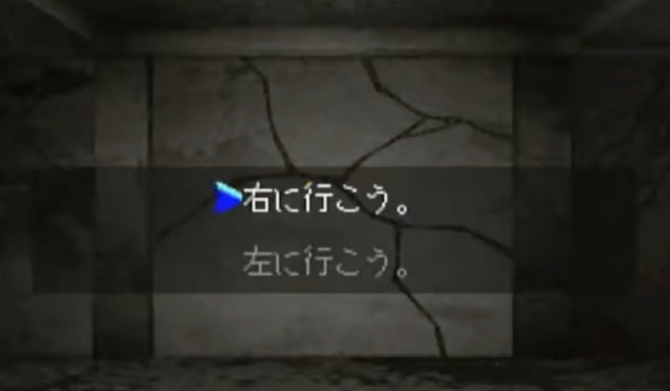
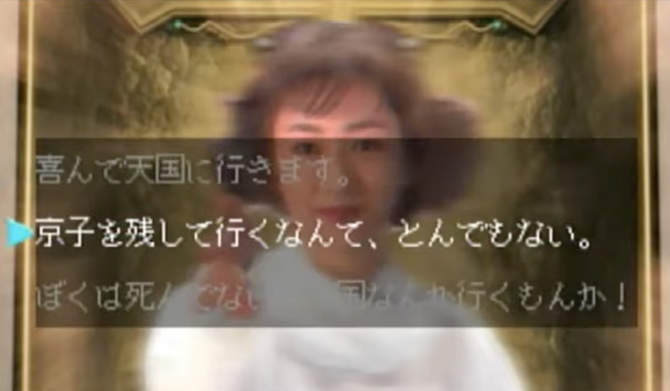
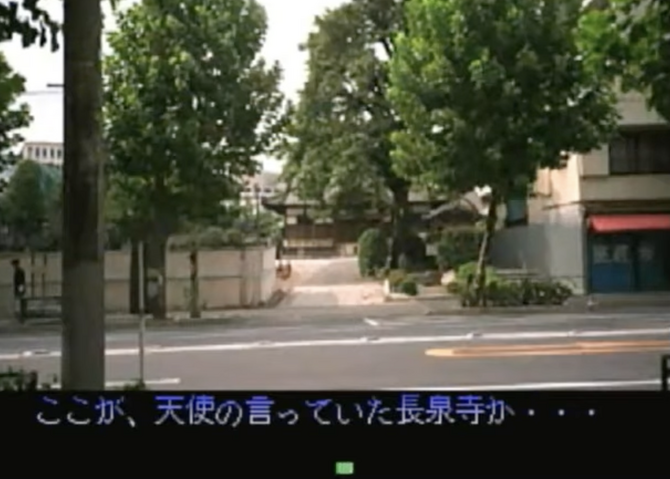
For example, early in the story, there’s a scene where you encounter a suspicious woman in front of Shibuya 109. How you interact with her here will change the course of the story. Furthermore, even after the protagonist dies, whether you accept the words of a being urging you to go to heaven or not can lead to a sudden ending.
Incidentally, the role of that “angel” is played by actress Natsumi Ikeda.
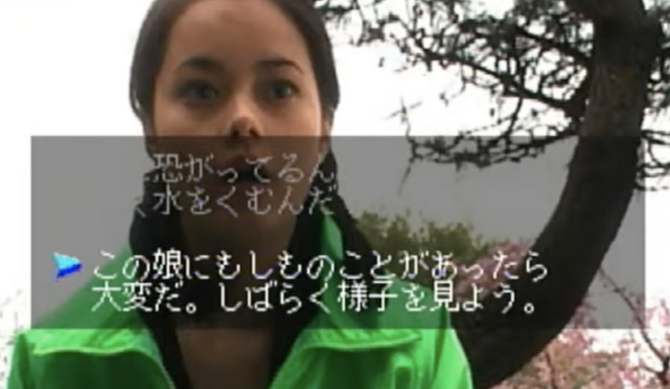
Even when exploring the underground labyrinth, you’ll be required to make decisions such as which path to take, whether to trust a certain character’s advice, and how to direct Kyoko and the others. If you make the wrong choice, it’s not uncommon to face unexpected outcomes—such as your companions being attacked by zombies or the protagonist himself turning into an evil spirit.
It’s also surprising that there are a total of 45 different endings.
Of course, not all of these are conclusions to the main story; the game also includes numerous “bad endings” where characters die before the story concludes. However, the game features different story arcs—such as the “U.S. Military Arc,” “Sacred Tree Arc,” “Golden Arc,” “Eternal Life Arc,” and “Seal Arc”—and the nature of the events changes drastically depending on your choices.
Furthermore, the game employs a system where, once you reach an ending, previously unavailable options are unlocked. Actions that were inaccessible during your first playthrough become available, allowing you to proceed to new story paths.
This system was brilliant because it allowed players to not only search for the “correct” answer but also to understand the overall structure of the story by experiencing various failures and different endings.
On the other hand, among the vast number of branching paths, there are many choices where it’s difficult to predict the “correct” answer, and the need to rewatch cutscenes multiple times can make the pacing feel slow compared to modern adventure games.
Nevertheless, the structure—where new choices emerge every time you reach an ending, gradually revealing different facets of the case—is undoubtedly one of this game’s greatest charms.
◆ From Mai Hōshō and Hayashi Hagiwara to Shigeru Nakano of Anarchy! Unique Horror Effects Created by Live-Action and CG
An essential aspect of this game is its bold use of live-action footage and its star-studded cast.
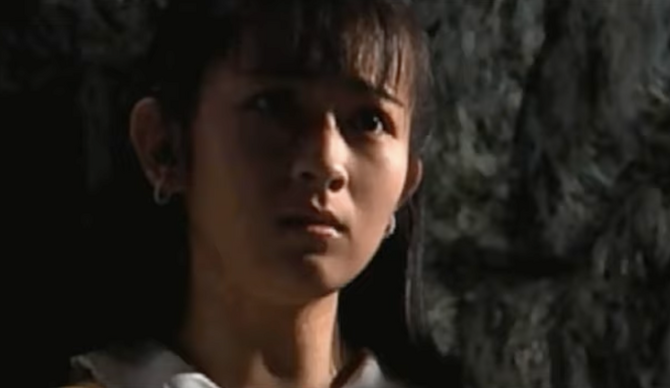
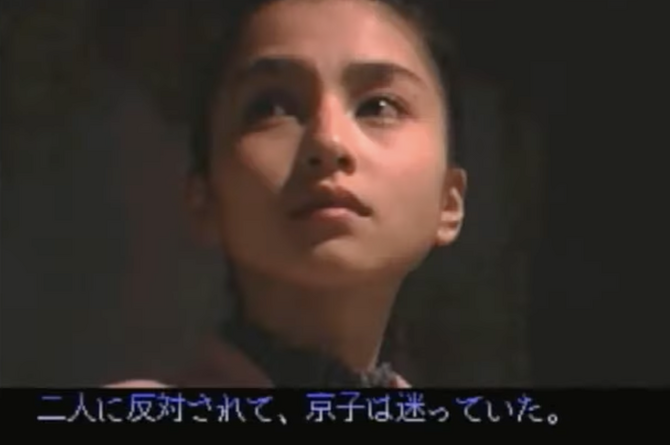
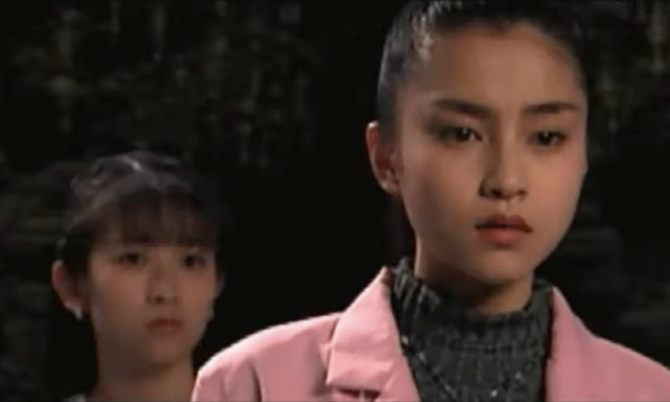
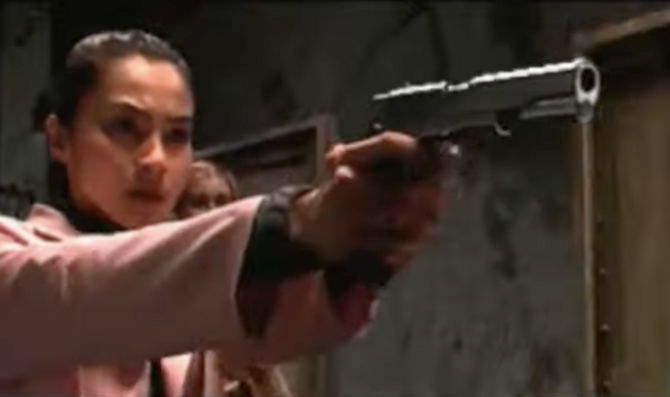
Mai Hoshino, who was active in TV dramas and movies at the time, plays the heroine, Kyoko Takagi. Kyoko is a police officer investigating a missing persons case, and her image, gun in hand as she confronts supernatural phenomena, is prominently featured on the game’s cover.
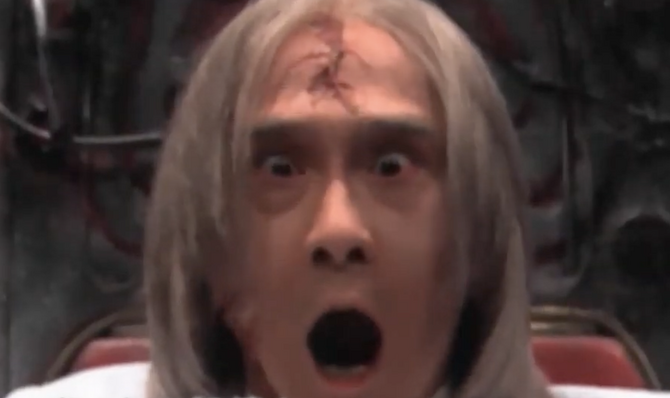
Additionally, Hayashi Hagiwara stars as the scientist Reijiro Takagi, and Akira Takarada plays the mysterious “Tree Spirit.” Other distinctive characters, such as Akiko Irikain, played by Ayumi Kikuchi, and Catherine, played by Isabel Eaves, further enliven the story.
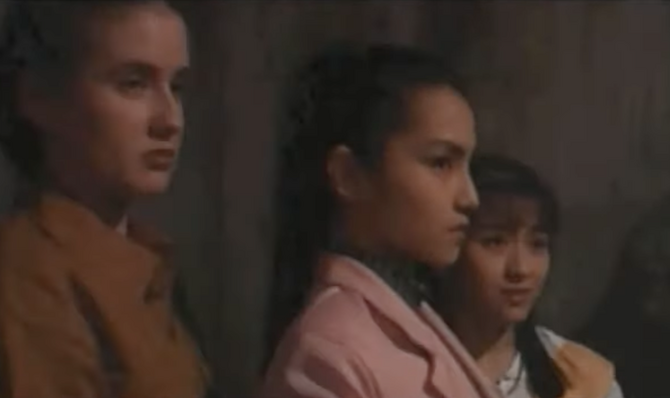
The appeal of this live-action film lies in its unique horror atmosphere, created by the combination of the actors’ performances and otherworldly VFX.
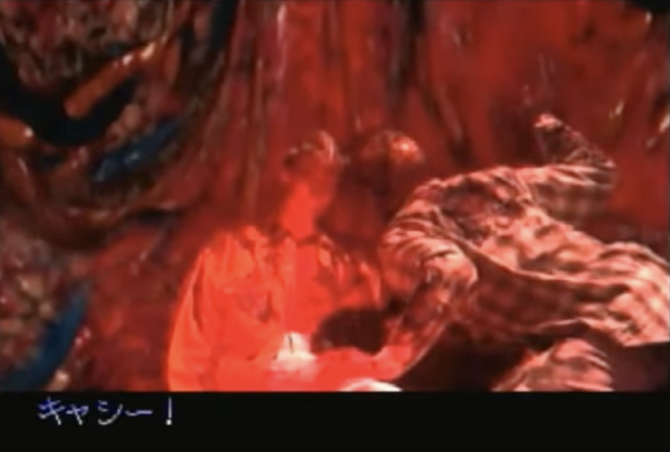
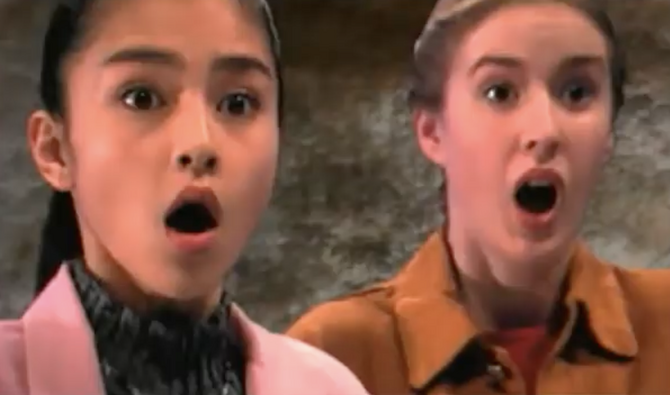
While the dialogue between the characters evokes the atmosphere of 1990s TV dramas, as they venture deeper underground, zombies and monstrous creatures with bizarre appearances begin to appear. By combining live-action footage with CGI and special makeup, the film depicts some rather grotesque scenes.
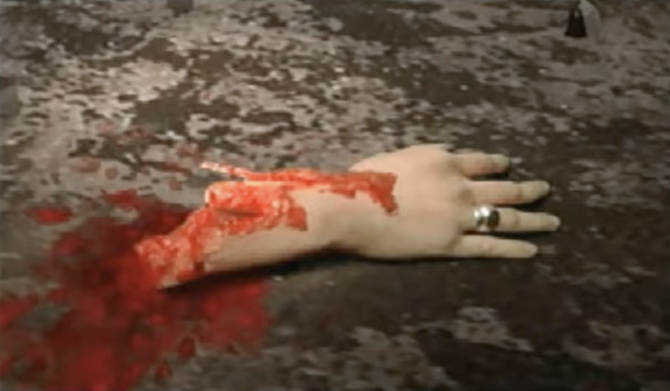
In particular, the numerous supernatural phenomena—depicted by combining live-action footage with CG—that appear before the characters played by real actors are striking. While the roughness of the compositing techniques and the unique movements give the film a dated feel, the contrast in texture between the live-action and CG elements actually creates a distinct, eerie atmosphere.
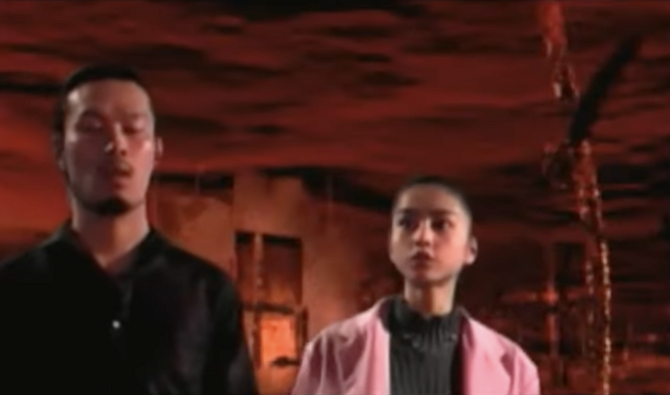
Additionally, still images using live-action photographs are inserted between the video sequences, and the story unfolds through a picture-book-like visual composition. While this was a creative solution to accommodate multiple storylines within limited storage capacity, the unique tempo of the scene transitions is a signature element of live-action adventure films from that era.
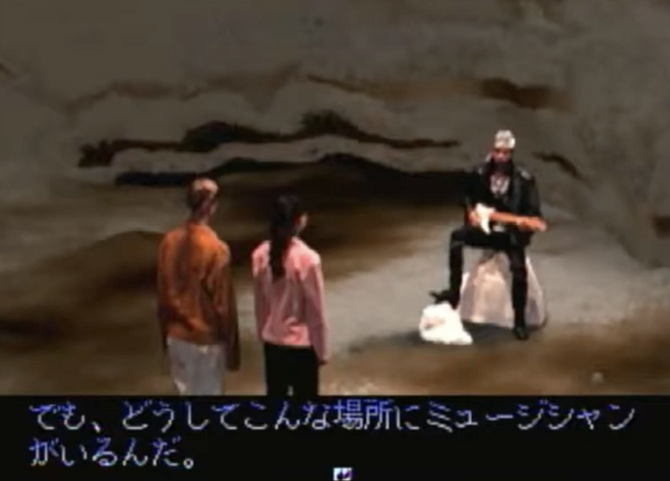
Another highlight not to be missed is the appearance of Shigeru Nakano, the vocalist of the legendary Japanese punk band “Anarchy,” in this film.
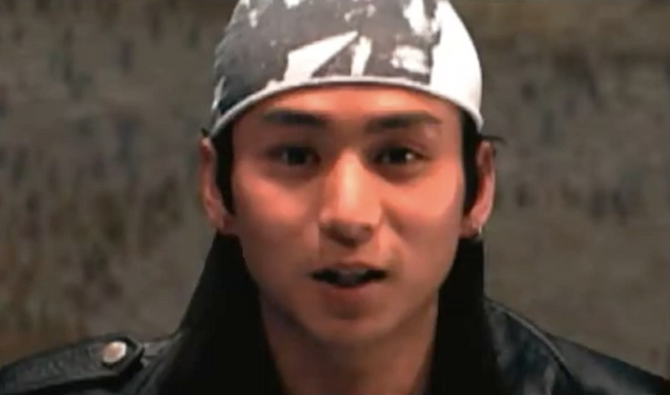
At the beginning of the story, on the stage of the live house visited by the protagonist, Hide, and the heroine, Kyoko, he performs a powerful punk rock set as his own “Shigeru Nakano BAND” in a cutscene.
This isn’t just background entertainment; it plays a crucial role as the key trigger for the plot—as their performance intensifies, a “red lightning bolt” suddenly strikes, leading to the protagonist’s murder and his abduction into an underground labyrinth.
Incidentally, the Nakano Shigeru Band in the story has a rather disturbing backstory: they’ve been brainwashed by Megido.
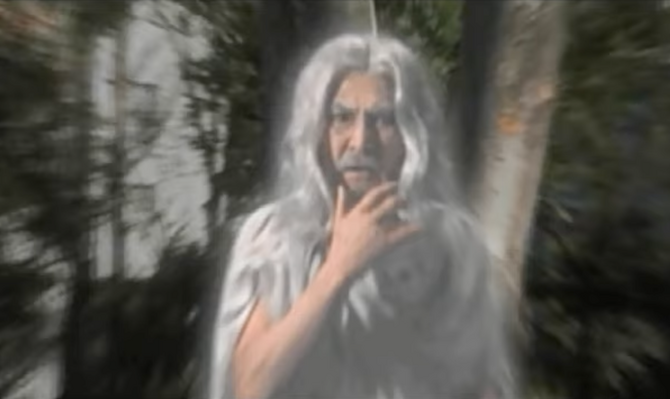
The PS1 version is a 3-disc CD-ROM set, and the third disc includes bonus footage such as interviews with the cast and behind-the-scenes footage. “Tokyo SHADOW” was not only a game but also a full-fledged video production.
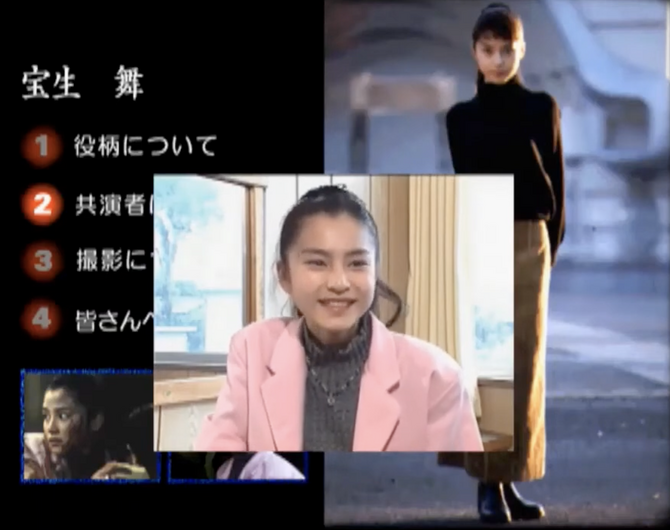
That said, Ms. Takarada is lovely even off-screen. She really was an incredibly beautiful actress.
◆A worldview that encapsulates 1990s occult culture and its appeal as a valuable “visual archive”
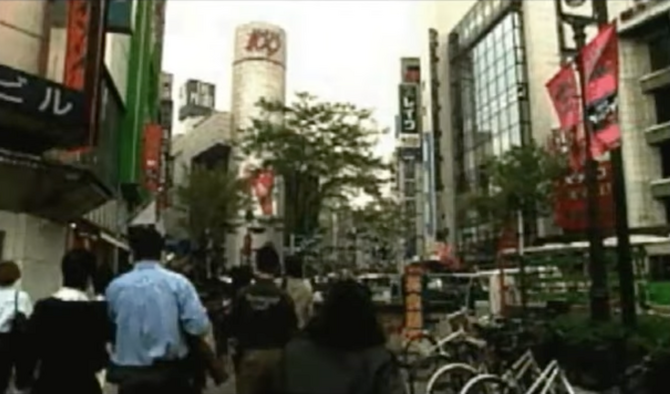
1996, the year *Tokyo SHADOW* was released, was also a time when psychic abilities, urban legends, ancient civilizations, and paranormal phenomena were frequently featured on TV and in magazines.
This film also incorporates numerous elements reminiscent of that 1990s occult culture.
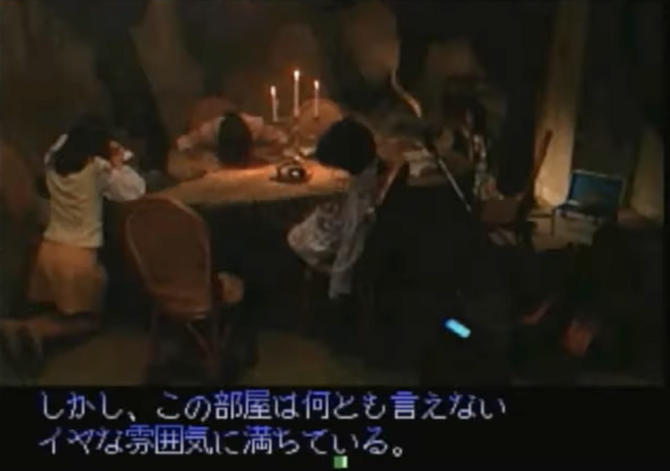
For example, while the existence of demons sealed away since ancient times and sacred trees falls within the tradition of legendary horror, the story also features science fiction-like elements, such as scientists’ research into life and U.S. military activities.
A worldview where the occult, science, and religious motifs are intertwined may seem quite outlandish by today’s standards, but the idea of linking “Moo”-style supernatural phenomena to ancient civilizations and unknown science was a familiar trope in entertainment works of that era.
I still find myself longing for that gloomy, occult-tinged era of the ’90s…
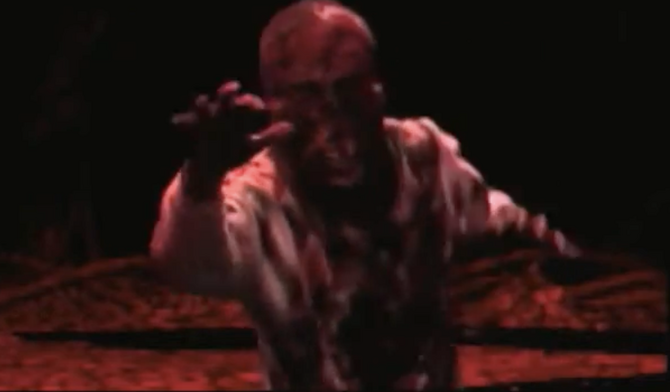
And what truly characterizes this work is the city of “Shibuya” itself, chosen as the setting.
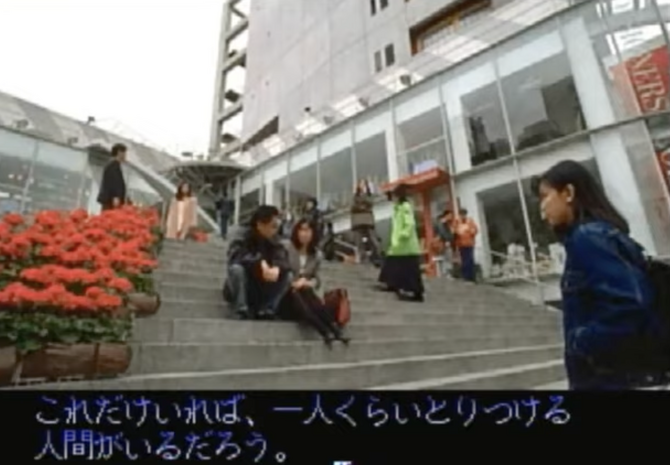
The streets of Shibuya—known as a hub of youth culture—are recreated through live-action and CGI, and the story unfolds from familiar locations like in front of the 109 building and live music venues into an underground world teeming with the supernatural.
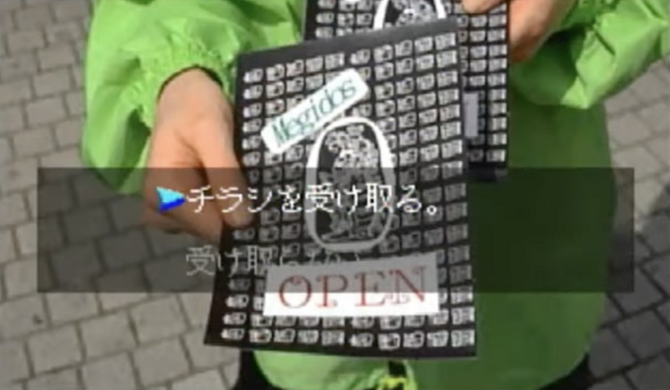
For today’s players, another appealing aspect is how the characters’ clothing, hairstyles, and urban scenery evoke the atmosphere of the 1990s.
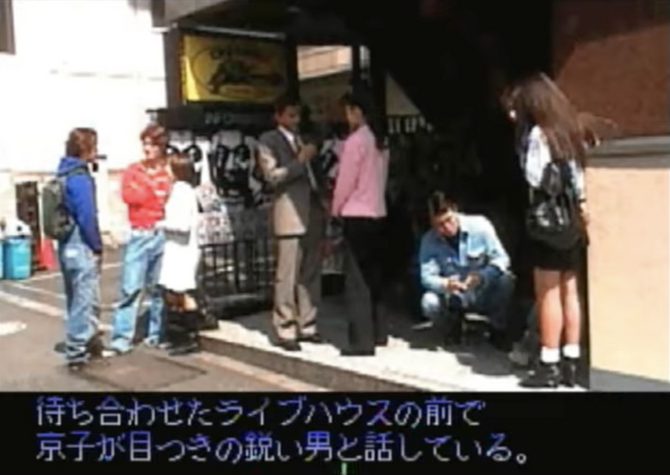
In *Tokyo SHADOW*, the horror doesn’t lie in secluded Western-style mansions or isolated villages—it exists right at the feet of the bustling city where countless people live their daily lives. This setting is a unique feature of the game, blending the occult boom of that era with urban culture.
◆The Charm of “Tokyo SHADOW”: A Time to Look Back
Looking back at this title as described above, we can see a game design that, while rough around the edges, was ambitious.
Games centered on live-action footage require a great deal of effort for filming and video production, but they also come with the limitation that it’s difficult to freely express actions beyond the pre-recorded footage.
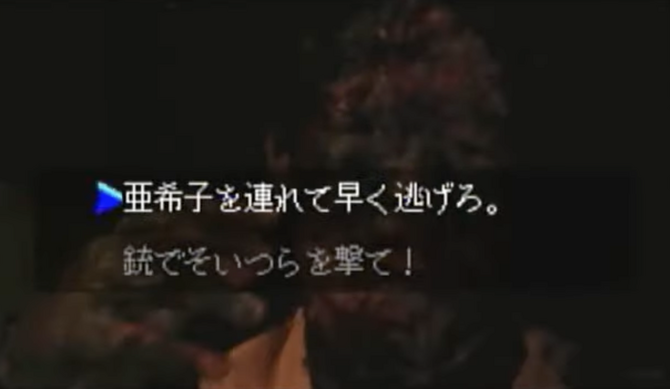
This title is no exception; basic gameplay consists solely of selecting options, and there are numerous aspects that make it difficult to play, such as having to replay footage by replaying the game or swapping discs.
However, rather than the player fighting enemies directly, they intervene as a ghost to alter the course of the story. The multi-scenario structure, featuring a total of 45 different endings, is a key element that supports this concept.
Furthermore, the appearance of a star-studded cast—including Mai Hōshō—the horror-themed direction that blends live-action and CG, and the world-building that brings ancient supernatural phenomena into the real-world setting of Shibuya all reflect the ambition of game developers at the time to experiment with new forms of expression.
While opinions may be divided regarding the game’s “overall polish,” it deserves high praise for its meticulous fusion of occult suspense, live-action footage, and a complex branching structure.
Set in Shibuya during the ’90s, this live-action drama features actors confronting supernatural phenomena—and you can shape the story through your own choices. Precisely because this is an experience you rarely get to have these days, isn’t that reason enough to play this game now?
Even among the PS1’s diverse experimental titles, *Tokyo SHADOW* is a masterpiece that allows us to simultaneously explore the potential of the live-action game genre and reflect on the occult culture of the 1990s.