


It’s time for the Weekly GameSpark Rankings—or “Weekly Spa-Ran” for short—featuring the top 5 most-read articles published on Game*Spark from Friday, October 9, 2026, through Thursday, October 15, 2026.This is perfect for those who want to catch up on the week’s highlights or just need a quick rundown because they’re busy!
No. 5—The Unique Charm of “The Unpublished Diary,” a PS1 Mansion Horror Game That Took a Different Path from “Biohazard”
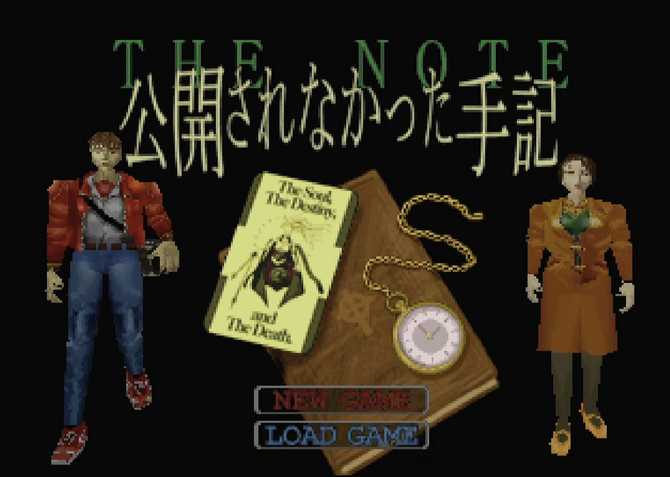
The original *Resident Evil*, released in 1996, featured a style of exploring a Western-style mansion through fixed camera angles, which had a major influence on subsequent survival horror games. Then, on January 17, 1997, Sunsoft released the horror adventure game *The Unpublished Diary* for the PS1.The original article focuses on the differences between these two titles and compares them.
In this 3D adventure, freelance occult reporter Kazuya Shindo visits a dilapidated European mansion with his partner, Chisato Kamiya, to unravel mysteries while collecting hidden “diaries” and items. While the basic framework resembles *Resident Evil*, the actual gameplay experience feels quite different.
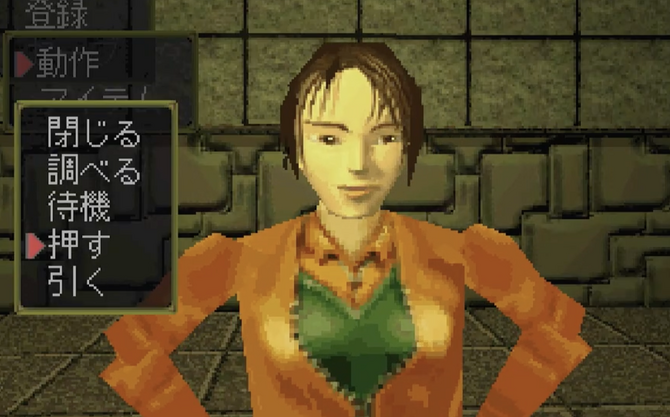
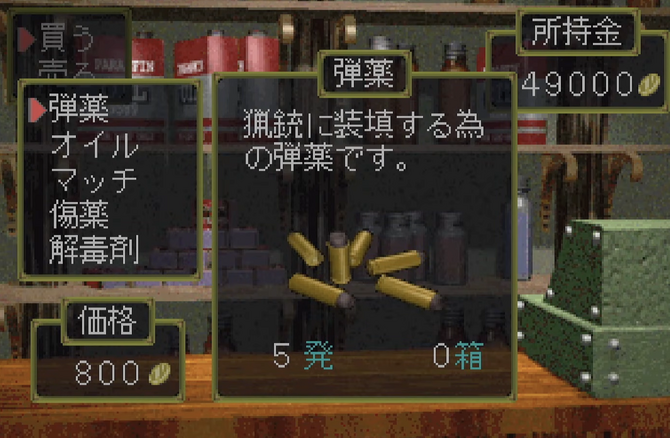
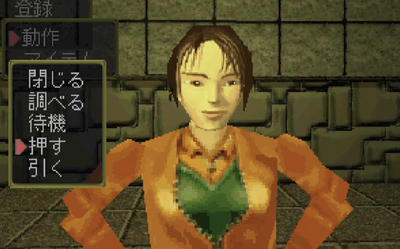
*The Unpublished Memoir* uses a first-person perspective rather than a fixed camera, so you can only see in the direction you’re facing. Combined with rough polygons and a low-resolution screen, this lack of clarity contributes to a sense of unease as you walk through the mansion.The controls aren’t great, and it’s difficult to aim during combat, but reportedly, this weakness—the inability to turn around quickly—actually served to heighten a sense of panic and anxiety.
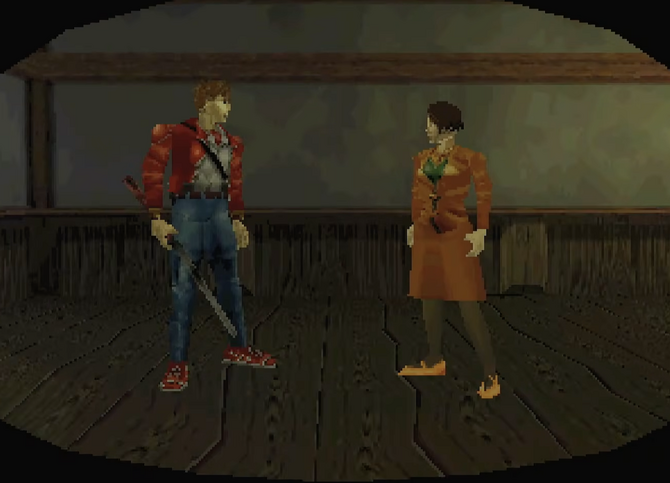
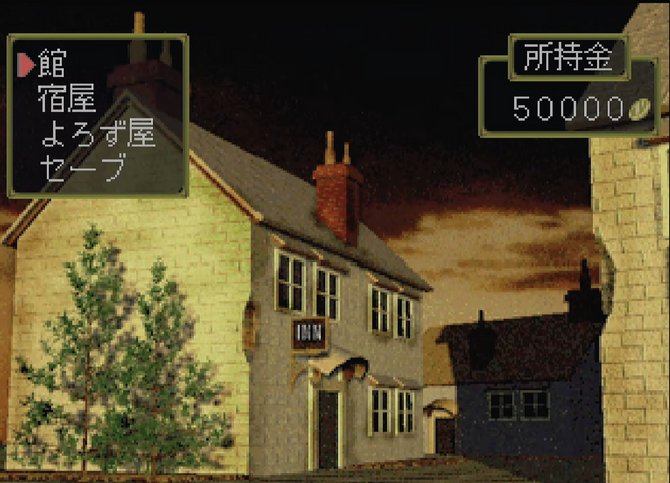
Another distinctive feature is the so-called “eyelid system,” where “eyelids” appear at the top and bottom of the screen instead of a health bar; they gradually close due to damage or fear, narrowing your field of view, and the game ends when they close completely. This mechanism, which conveys danger by restricting your field of vision, is considered to work well with the first-person perspective.
4th Place—“Tales of Eternia Remaster”: In Response to Fan Feedback, “Classic” Font Now Selectable
On October 9, the official “Tales Channel+” X account posted that an update file would be released to coincide with the launch of *Tales of Eternia Remastered*.
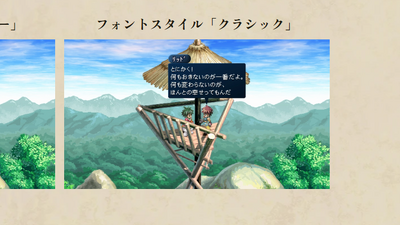
The game had been the subject of discussion due to differences in the in-game font between the remaster and the previous PS and PSP versions. In the trailer released during “Nintendo Direct 2026.6.9,” it was confirmed that the font had become smoother and that speech bubbles had been scaled down to match the font. On X,comments such as “The atmosphere feels different. I preferred the PS-era font” were posted on X.
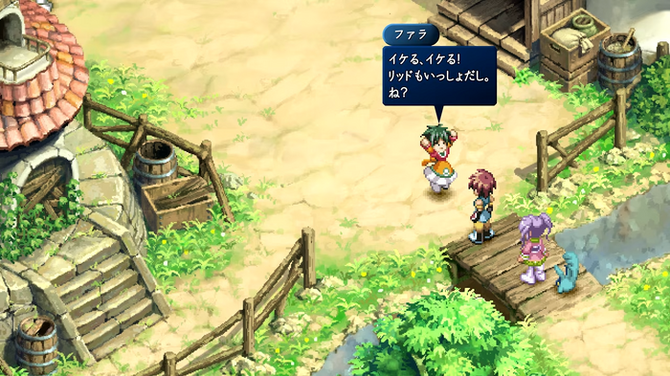
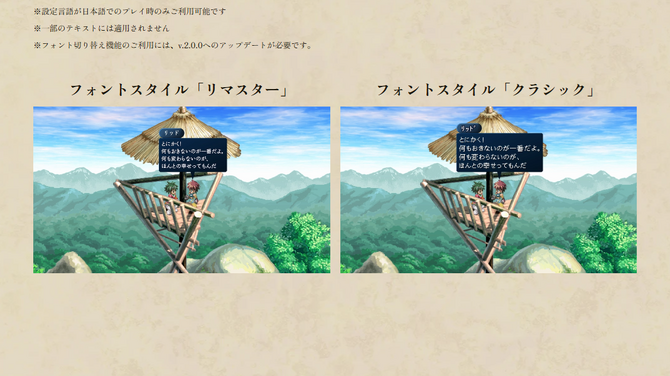
It’s unclear whether this change was in response to such reactions from fans of the previous titles, but the update released alongside the game’s launch adds a feature that allows players to choose between two in-game font styles—“Remastered” and “Classic”—exclusively when playing in Japanese. Players can switch fonts at any time via the customization menu, and based on the images, the “Classic” font appears to feature a pixel-art style reminiscent of older games.
*Tales of Eternia Remastered* is now available for PS5/PS4, XBOX Series X|S, Nintendo Switch 2, Nintendo Switch, and Windows (Steam).
3rd Place—First Look at the 3D Model for “Yujiro Hanma,” Joining *Tekken 8*
Bandai Namco Entertainment unveiled the latest gameplay trailer for “Roger Jr.,” an additional character in the fighting game *Tekken 8*, at the “EVO France 2026” fighting game tournament held in France on October 11.At the same event, the company also offered a sneak peek at “Yujiro Hanma,” a guest character set to join the game this winter.
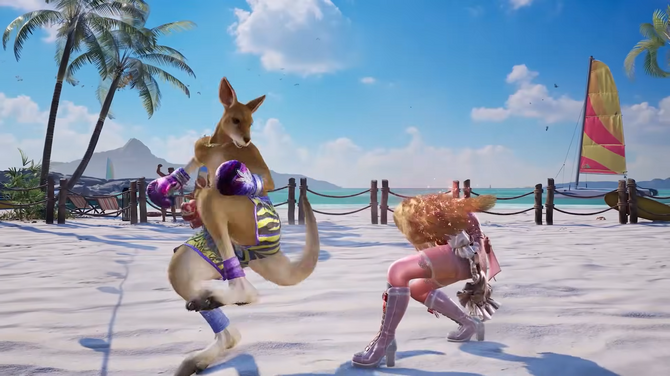
“Roger Jr.” is part of the kangaroo family that appeared in titles such as *Tekken 5*, and is making a comeback as a playable character for the first time in approximately 14 years, since *Tekken Tag Tournament 2*, which was released in 2012.While the mother kangaroo primarily handles the actual combat, this installment features extensive animations of Roger Jr. himself inside her pouch, depicting the pair fighting together as a team.
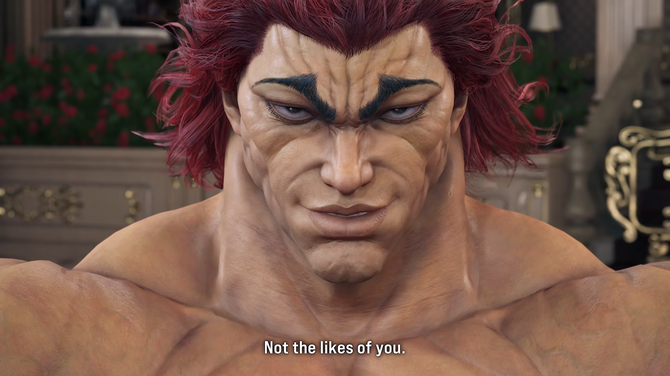
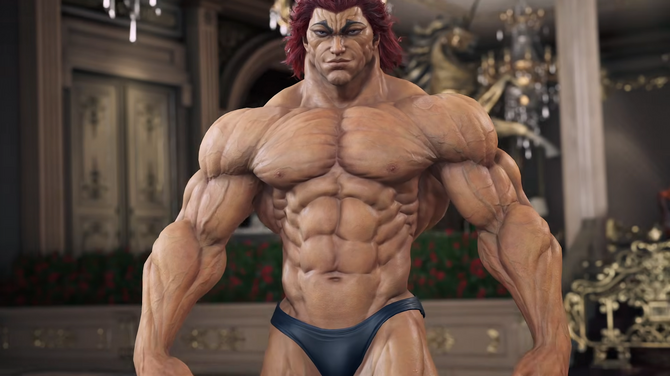
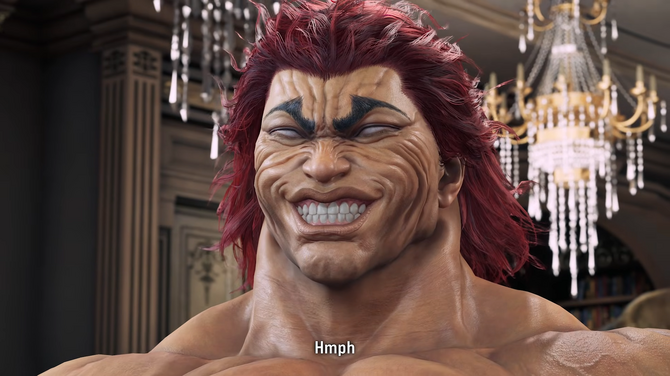
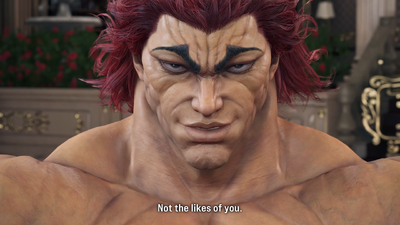
At the end of the trailer, “Yujiro Hanma” also made an appearance as the fourth additional character for Season 3.Yujiro is the father of the protagonist, Banma Baki, from the “Grappler Baki” series by Keisuke Itagaki, and possesses overwhelming combat abilities that have earned him the title of “the strongest creature on Earth.” At this point, details regarding the combat system and specific moves have not been revealed, so we eagerly await the release of full gameplay footage in the future.
2nd Place—Why Were Reviews So Mixed for “Fire Emblem: Three Houses”? [Game*Spark Review]
*Fire Emblem: Three Houses*, for the Nintendo Switch 2, is the latest entry in the series and shares the same world as *Fire Emblem: Three Houses*.Opinions have been sharply divided since its release. While it has received high marks on the international review aggregator Metacritic—with a critic score of 89 and a user score of 8.6—domestic Amazon reviews show a mixed reception, averaging 3.6 stars.In this article, we review the game from the perspective of why it possesses an endearing charm despite its divisive design.
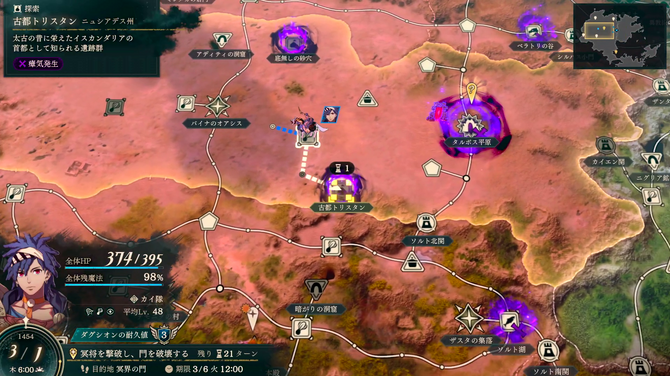
The game’s most distinctive feature is its “cycle” system, which combines the calendar-based progression of *Fire Emblem: Three Houses* with the world map system of *Fire Emblem: Fates*.Players engage in character development—such as training, eating, and attending plays—at the base camp “Dagshion,” while also exploring the world map. Since actions consume “turns,” planning is essential for efficient movement. This duality—formulating strategy on a macro level while playing an SRPG on a micro level—evokes the charm of classic CRPGs.
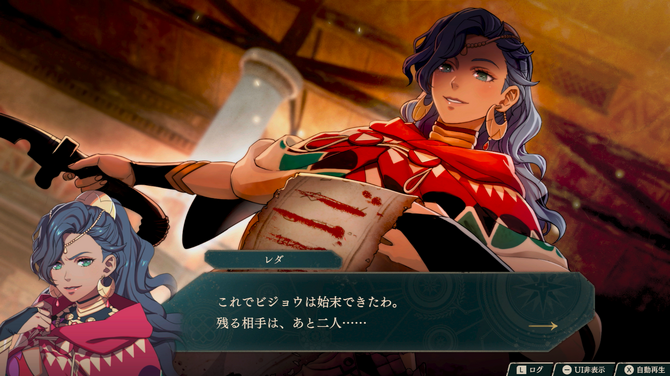
The story is an ensemble drama in which the four protagonists—Kai, Dietrich, Theodora, and Leda—compete to win the “Great Gladiatorial Festival,” staking their reputation on the promise to “grant any wish.”Although they share the same goal, the tone and themes differ completely depending on the route, and each perspective reveals mysteries not uncovered elsewhere. However, this is also a point where opinions tend to diverge; if the route you choose at the start doesn’t suit you, it may be difficult to stay motivated.
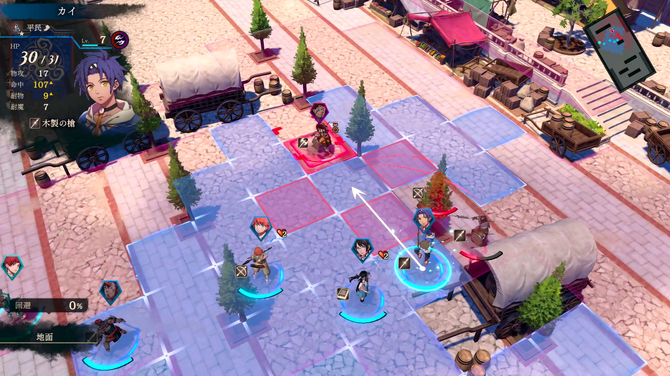
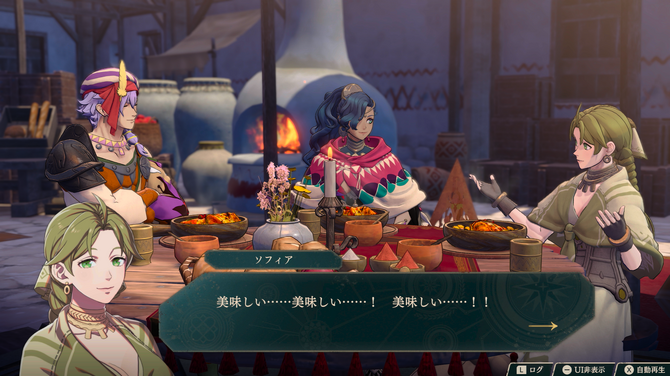
There are also some issues, such as the plot feeling overly drawn-out in the early stages, and the game only becoming truly engaging once you understand the mechanics in the latter half. Furthermore, while there are many characters you can recruit, the volume of support conversations is uneven, resulting in some party members whose true personalities remain a mystery until the very end.Furthermore, the analysis suggests that once the story shifts to the setting five years later, it remains stuck in a simple “good versus evil” structure and fizzles out rapidly. Please refer to the original article for more details.
No. 1—*Mobile Suit Gundam: One Year War*, a Mecha Game That Was “Too Ahead of Its Time”

“Ollie’s Mecha Game Column,” brought to you by Ollie Bader—known to many Japanese as “the foreigner who knows way too much about mecha games and anime.” In this installment, he looks back on *Mobile Suit Gundam: One Year War*, produced by Namco about 20 years ago and based on the One Year War from the original *Mobile Suit Gundam*.
At the time, mecha games were all attempting to rebuild complex, proprietary control schemes from scratch to make players feel as though they were “actually piloting a mecha.” This title, however, adopted the control scheme common in Western FPS and TPS games.
What’s even more impressive is that, despite adopting this control scheme, the game still managed to maintain the mechs’ overwhelming sense of weight. While movement and camera controls were intuitive, using boost required players to be mindful of the Mobile Suit’s weight—creating a gameplay experience with more depth than typical Western FPS or TPS games.It seems they expressed the “mecha-like” quality not through specialized controls, but through the mobile suit’s inherent behavior and handling.
However, this title was never released outside of Japan, and even in Japan, it was treated like a game destined for clearance sales. The developer seems to find this particularly unfair. He notes that the game masterfully realized both ground and space combat while retaining the same control scheme, and the tragedy lies in the fact that it was never released to the very audience that would have appreciated these elements.
Ironically, while this title wasn’t very successful in Japan and wasn’t released overseas, this control scheme is now incorporated into nearly every mecha game produced in Japan.Titles such as *Armored Core VI: Fires of Rubicon*, *SD Gundam Battle Alliance*, and the upcoming *GUNDAM ROGUE ORBIT* all utilize this same control scheme. He concludes by suggesting that the developers of this title—which was not sufficiently appreciated at the time—might be the ones who have the last laugh.

This week’s most-read article was about *Mobile Suit Gundam: One Year War*! Some of the reasons cited for the low ratings of *Mobile Suit Gundam: One Year War* include a lack of content and a lack of polish.



