In this Reiwa era of strict compliance, when I look back at television from the 1990s, there were quite a few shows that made me think, “I can’t believe they were actually able to air that.”
Among them, there’s no doubt that the “legendary” variety show *Advance! Denpa Shonen* was particularly outrageous.
“Advance! Denpa Shonen” was a variety show series broadcast on the Nippon TV network from the 1990s through the early 2000s. It sparked a social phenomenon and is still talked about today, having introduced the world to numerous outrageous, no-holds-barred segments that defied conventional television norms.
From “unannounced location shoots”—where the crew would barge in on celebrities and public figures without prior arrangements—to the grueling “hitchhiking trips” that sent young comedians abroad (such as Saru Iwashiki and the Drones),to the realistic documentary “Living Off Prize Winnings,” in which participants lived solely on items won through contests—its intense content made it the quintessential example of a “non-compliant” program that would be impossible to air today.
Incidentally, despite airing every Sunday from 10:30 PM to 10:56 PM, the series recorded a peak household viewership rating of 30.4% (Kanto region, according to Video Research). Although this figure was achieved during the run of its successor, “Advance! Denpa Shonen,” it clearly demonstrates the show’s immense popularity.
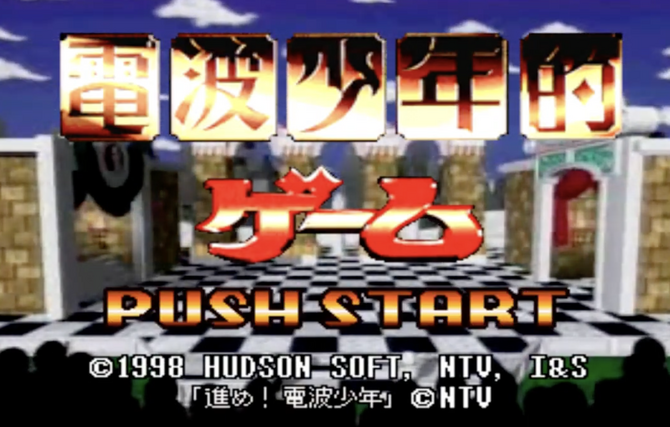
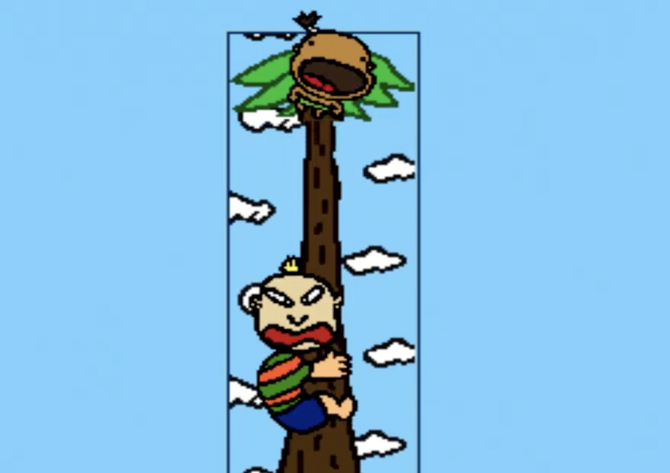
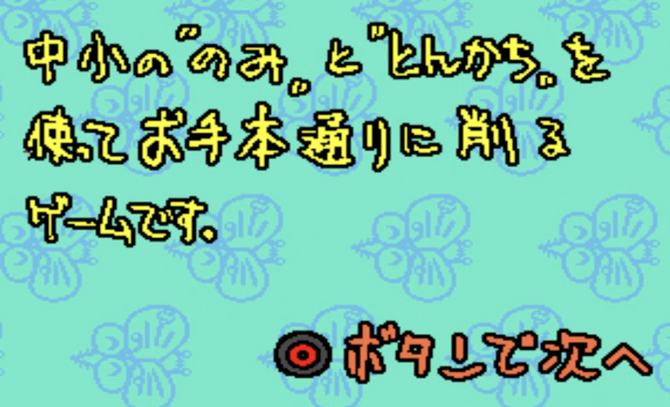
Did you know there’s a video game based on “Denpa Shonen”? Released by Hudson in 1998 for the Sega Saturn and the original PlayStation, it’s aptly titled *Denpa Shonen Game*.
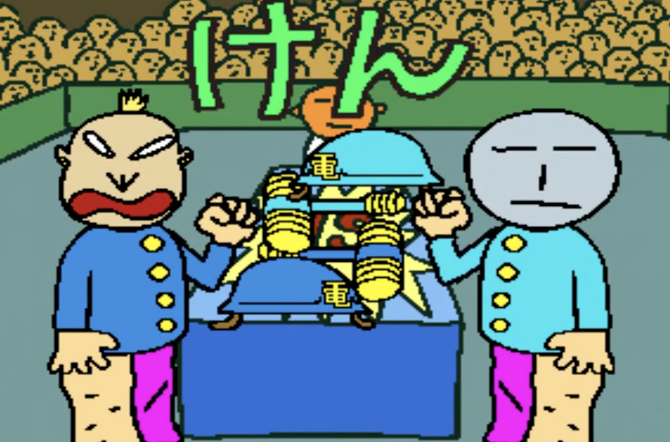
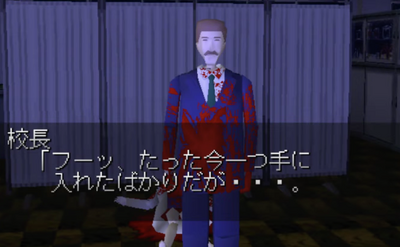
This game is arguably Japan’s “most ridiculous” (meant as a compliment) surreal party game, featuring 10 different mini-games. I remember playing it with my friends back in middle school, laughing our heads off.
That said, the game’s appeal can’t be measured solely by the quality of its mini-games.
In this article, through the appeal of *Denpa Shonen no Game*, I’ll look back on the “Denpa Shonen” TV show and the culture of reckless antics and wild humor unique to 1990s television—as well as the “insane laughter” where anything goes.
◆ A Silly and Extreme Show That Went Down in TV History, Starting with “No Appointment Needed”
First, let’s touch on the numerous outrageous segments that symbolized the recklessness and wild antics of “Advance! Denpa Shonen.”
In the show’s early days, the main MCs—Akiko Matsumoto and Kunihiro Matsumura—would rush out into the streets to make surprise visits to celebrities and public figures, asking them to do the most unreasonable things. These so-called “unannounced surprise visits” were broadcast frequently and became hugely popular.
I’ve also compiled a list of some of the show’s most outrageous early segments—please take a look.
“I Want to Cut Tomiichi Murayama’s Eyebrows”: A surprise visit segment where the crew attempted to negotiate directly with and track down a politician
at the time (Tomiichi Murayama, who would later become Prime Minister) to somehow cut his trademark long eyebrows without an appointment.“Let Me Drink Ikue Sakakibara’s Breast Milk”: A shocking concept—one that would be completely off-limits today—that was actually proposed
during a meeting of the show’s writers and went through multiple rounds of consideration and on-air testing.“I Want to Reform the Shibuya ‘Chima’!” An extremely dangerous on-location shoot in which
TV personality Kunihiro Matsumura single-handedly infiltrated a group of young people known as “Chima” who were hanging out in Shibuya’s Center Street at the time and demanded they reform.
It’s a real shame we can’t show you the footage, but as someone who watched it live back then, the only thought that comes to mind is, “Man, that was crazy…”
And that radical style wouldn’t be confined to just a single surprise shoot.
In 1996,the “Eurasian Continent Hitchhiking Expedition” by the comedy duo “Saru Iwashiki”—featuring Hiroyuki Ariyoshi, who has since become a household name—gained massive popularity. This was followed by hitchhiking segments featuring the “Drones” and “Denpa Shonen’s Prize-Winning Life,” in which Nasubi lived solely off prizes he won.
What made these segments so entertaining was that they offered a completely different kind of humor compared to comedians performing polished routines in the studio.
By throwing the performers into unusual situations and making their very behavior part of the show, the program captured viewers’ attention with unscripted, “real and raw” reactions—whether they were moments of confusion, failure, or sheer coincidence.
While many aspects may seem risky from a modern perspective, the “Denpa Shonen” of that era was expanding the very boundaries of the “variety show” format that television had established up to that point.
While it had a level of recklessness that makes one want to describe it using the modern term “non-compliant,” it wasn’t merely extreme; its unique and powerful character lay in the way it used television cameras and its concepts to transform “ordinary people’s reactions” into entertainment.
◆ The Story Behind the Creation of “Denpa Shonen no Game”
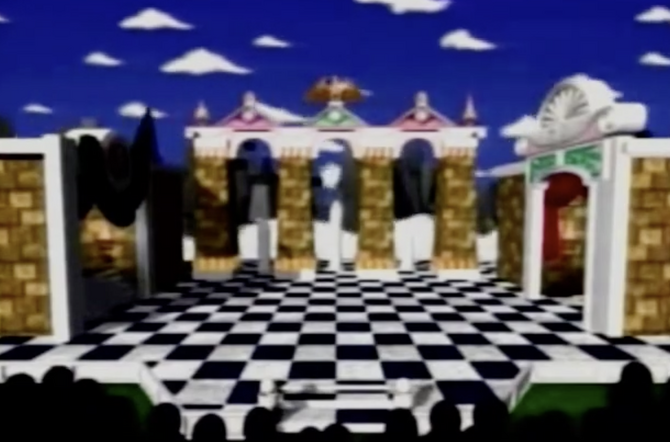
As you can probably imagine, the story behind how this game came to be from “Denpa Shonen” is anything but ordinary.
When you hear about a game based on a TV show, you probably imagine an action game featuring the cast as characters or a title that recreates segments from the show. In the past, there were many such titles, including the classic masterpieces *Family Trainer: Charge! Takeshi’s Castle* (Famicom) and *Quiz $ Millionaire* (PS).
However, in the case of *Denpa Shonen no Game*, the show actually aired a segment where they broadcast the very act of “selling the completed game itself” as part of the program’s concept.
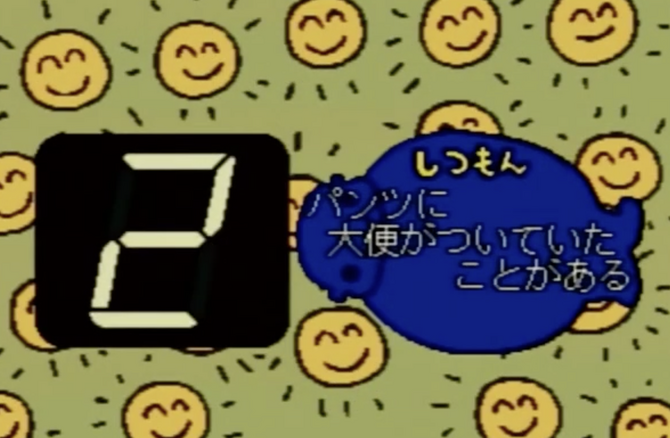
In this segment, titled “The Invincible Salesman,” TV personality Ryo Fukawa took on the role of sales representative. His mission was to personally pitch *Denpa Shonen no Game*—originally produced for karaoke parlors—to establishments across the country.
Fukawa traveled around the country by bicycle and worked tirelessly on his sales efforts using various methods, even going so far as to create promotional banners out of his own pocket at times. He even attempted to pitch the game at the home of Microsoft founder Bill Gates.
This unconventional sales project became a popular segment of the show and was carried over to *Advance! Denpa Shonen*. Then, in 1998, Hudson released the Sega Saturn and PlayStation versions to the general public.While it’s certainly typical of “Denpa Shonen,” the nature of the project and the sheer audacity of actually airing it truly symbolize 1990s television.
◆ The Surreal Fun of “Japan’s Most Pointless” Mini-Game
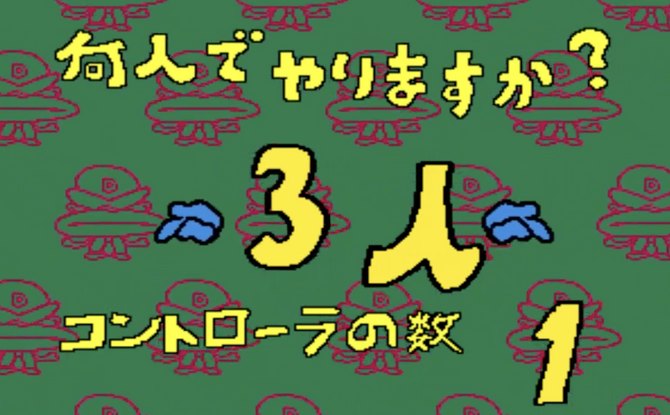
So what exactly is this “Denpa Shonen-style Game” everyone’s talking about? Let’s take a closer look at the content.
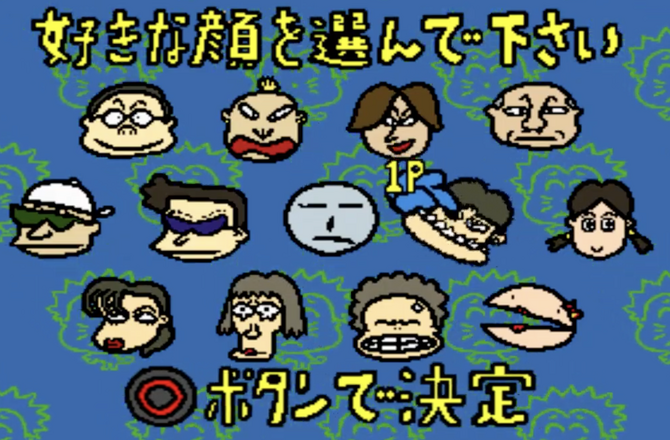
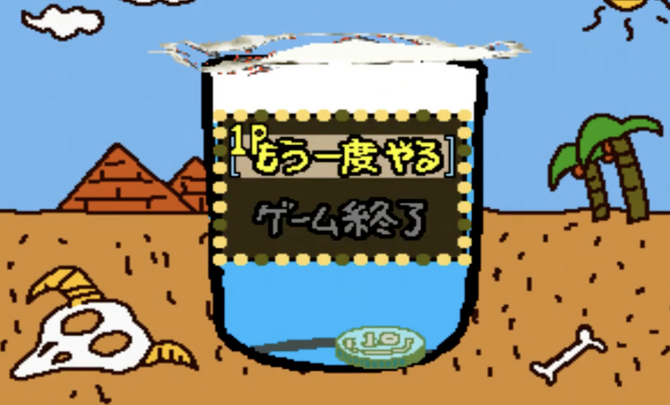
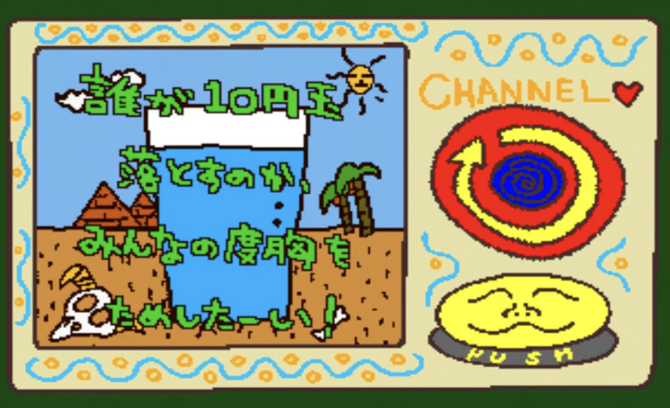
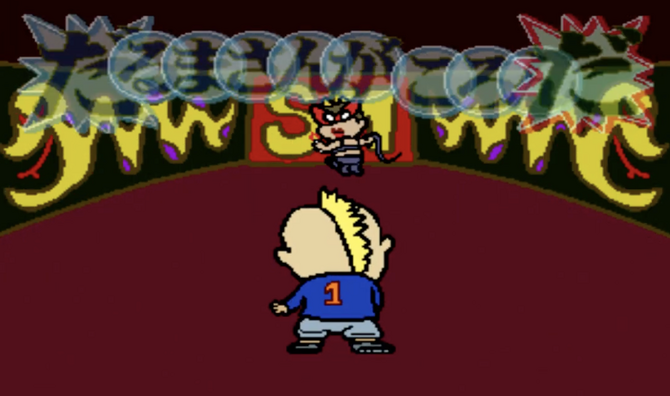
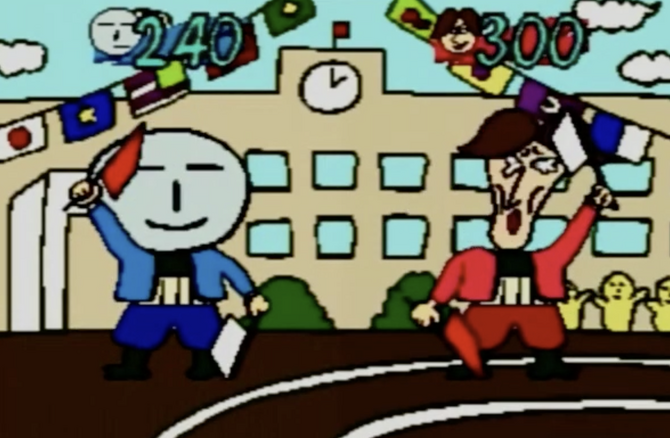
This is a party game that supports multiplayer matches for up to four players and features 10 different mini-games. Its highlights include simple, straightforward mini-games like “Whack-a-Mole” and “Red Light, Green Light,” which strongly retain the show’s signature sense of playful mischief.
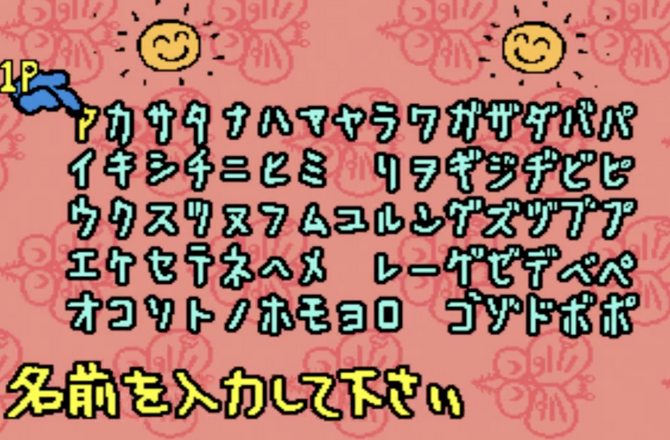
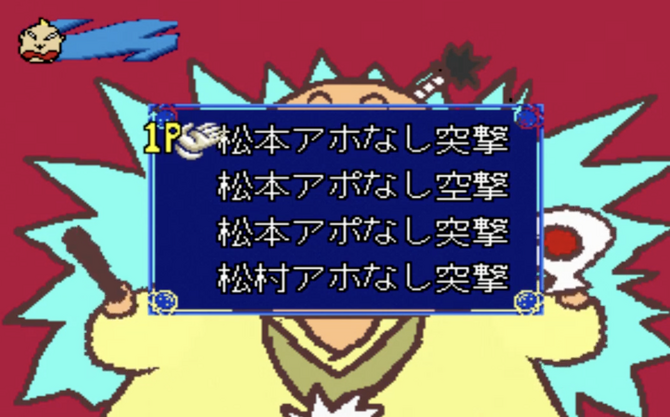
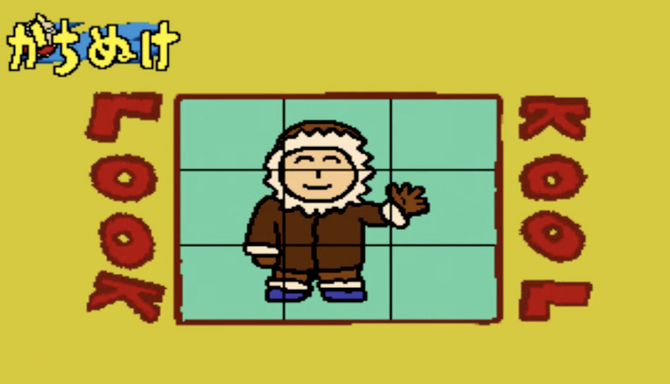
The charm lies in its pop-style, “bad-but-cute” illustrations and laid-back atmosphere; you customize your avatar’s face and name before jumping into a match. Back in the day, I used to have a blast playing this game late into the night every weekend with my friends.
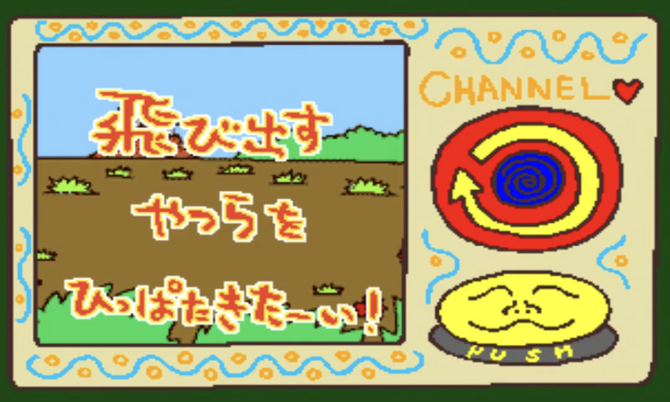
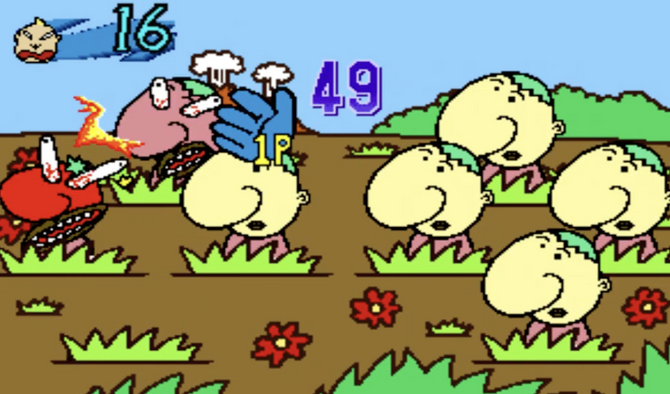
The mini-games had funny names that mimicked actual TV show segments, like “I Want to Whack the Ones That Pop Out!” and “I Want to Guess What I Saw!”—and the narration was provided by the show’s host, Akiko Matsumoto.
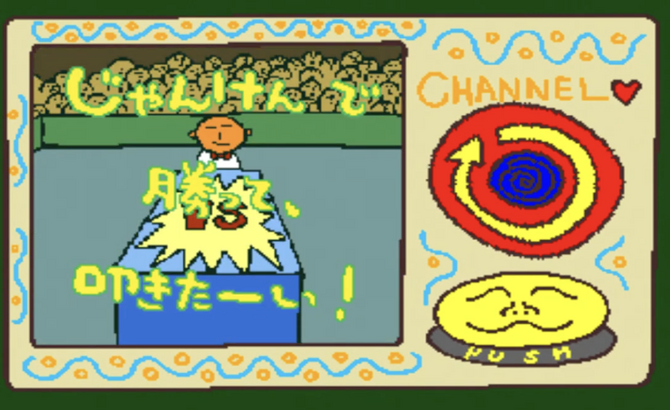
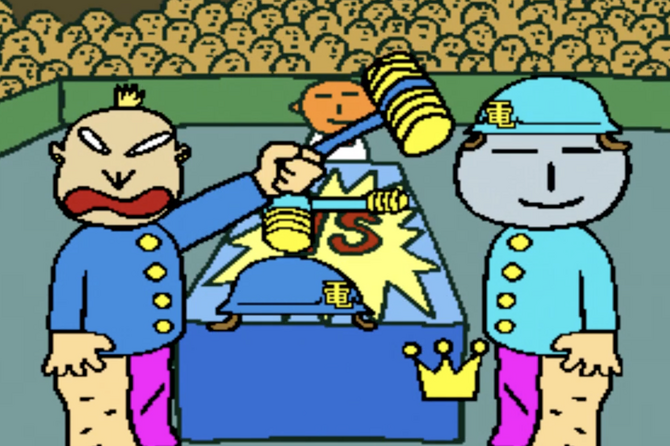
One mini-game that got us especially fired up was the one called “I Want to Win Rock-Paper-Scissors and Whack Them!”—you know, the classic “Whack ’em, Put ’em on, Rock-Paper-Scissors!” game. The rules are super simple, but that “silly, ridiculous vibe” is what makes it so much fun and gets everyone hyped.
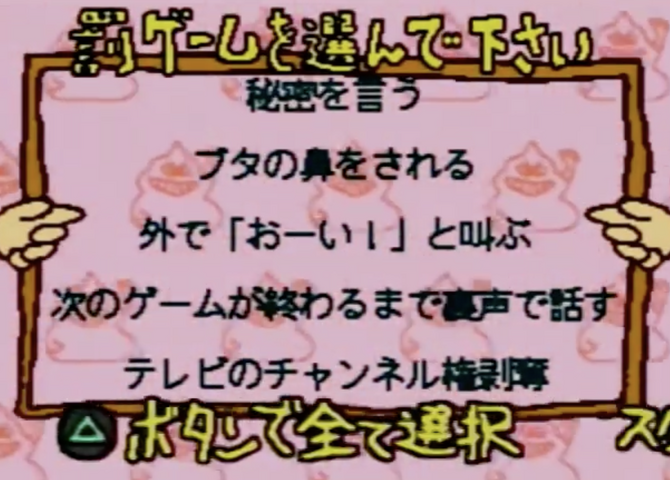
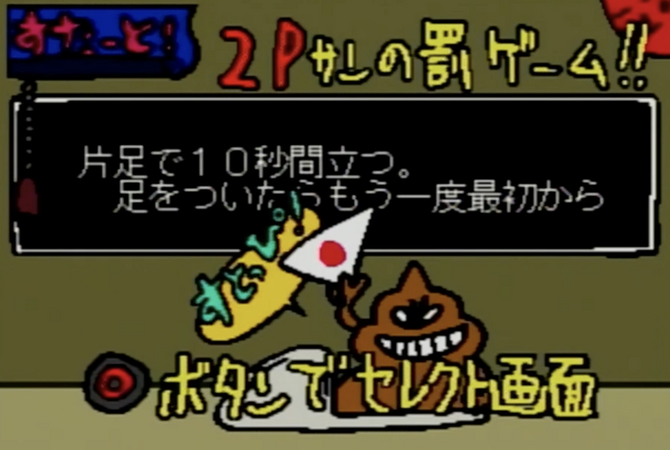
Also, in this game, when playing with multiple people, whoever comes in last has to undergo a “forfeit.”
There are about 100 different penalty games to choose from—a lineup of things you’d absolutely hate to do, like “confessing an embarrassing secret from your past” or “naming someone you hate.” The key is that you can sense a subtle, “Denpa-esque” sense of mischief in them.
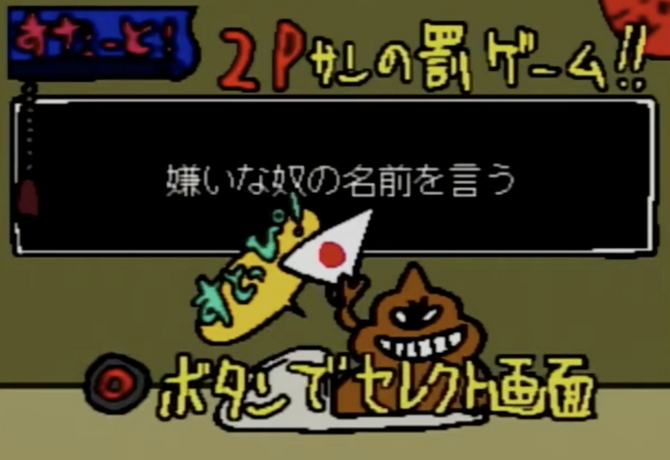
In this way, the essence of *Denpa Shonen no Game* lies in the very same “Denpa Shonen” comedy formula—making someone do something ridiculous and having everyone else laugh at their reaction—and it encapsulated the raw energy and intensity unique to ’90s television.
◆ The Madness and Laughter of ’90s TV Etched into *Denpa Shonen no Game*
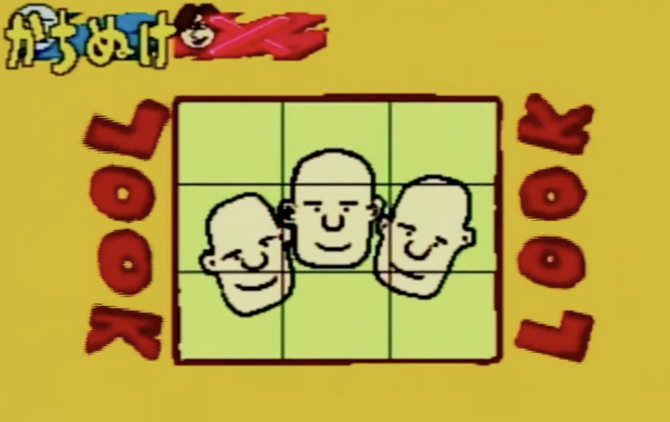
Playing this game again, it’s clear that the spirit of *Denpa Shonen* is deeply ingrained in it.
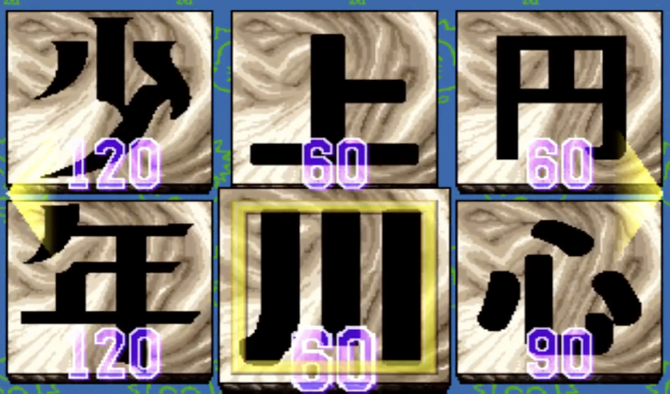
There are a few moments where you can sense a disconnect between that unique vibe and the Reiwa era. However, 1990s television had a distinctive intensity—one where comedians, producers, and viewers alike were all swept up in pouring their all into utterly ridiculous stunts.
This game, too, wasn’t just a game confined to the screen; its charm lay in that ’90s vibe that turned even “punishment games” into part of the fun.
That’s precisely why “Denpa Shonen no Game,” experienced some 30 years later, has a strangely rich flavor. While it’s not a polished masterpiece, I believe it’s certainly packed with the recklessness, mischievous humor, and bottomless laughter that defined 1990s television.