


This series features interviews with the developers of intriguing new indie games. In this installment, we present a mini-interview with the developers of *Dissolution of the Silent Union*, a visual novel set in an abandoned school, developed by Umigame Studios and released for PC and Mac on July 29.
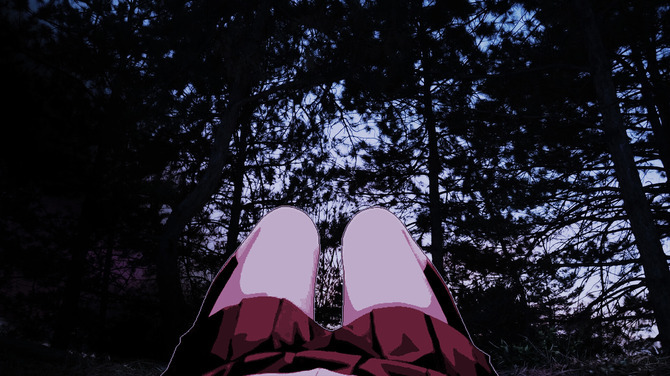
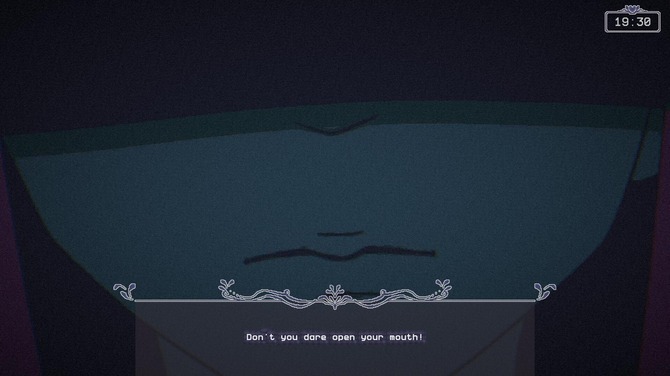
This short visual novel follows Vera, who finds herself trapped on the last day of an abandoned school, as she heads toward the place where an unavoidable promise awaits. It features a distinctive style that blends anime-style line art, pixel art, and live-action photographs in a collage-like manner. The game also supports Japanese.
“Dissolution of the Silent Union” is available for 395 yen (316 yen with a 20% discount until September 27).

――First, please introduce yourself. What’s your favorite game?
Fatma: Hello, I’m Fatma Berfin. I was in charge of video production and photography for this title. I was also involved in the story and its content. I majored in industrial design in college.
As a hobby, I enjoy playing PC games, and I especially love visual novels with deep, immersive stories. However, my absolute favorite game isn’t actually in that genre—it might sound like a very simple answer, but it’s *Stardew Valley*. For me, it’s like a “place of peace.”
――Could you tell us what makes this work unique? Also, how did you come up with the idea?
Fatma: What truly sets this work apart is that it subverts the conventions of the classic school visual novel genre. In this game, we’ve transformed “the last day of school” into an eerie, time-trapped liminal space.We visualized this through a unique “mixed-media collage” technique, in which we directly overlay 2D animated illustrations as layers on top of raw photographs and live-action footage.
This idea was born from a desire to express the universal pain of parting with people we once held dear.By trapping two young women in an eerie, time-frozen space, the dissonance in the artistic style brings to the surface the sense of alienation they harbor within, transforming the quiet terror of losing connection into a tense psychological drama where every conversation carries emotional weight.
――Were there any works that influenced the development of this game?
I think each member of the Fatma development team draws inspiration from a variety of works, but when it comes to my photography, I’ve been greatly influenced by the films of David Lynch and Eastern European visuals. I’ve also been conducting extensive research on anime-style illustrations and photo collages.

――Could you share one episode that left the deepest impression on you during the development of this game?
Fatma: We developed this game during the winter, and since I was in charge of photography, I spent quite a bit of time going outside to take photos in the freezing cold. So, personally, nearly freezing to death from the cold during those shoots was both the biggest challenge and a very memorable experience.
――What kind of user feedback have you received since the release? Please share any that stood out to you.
Fatma: Some players found the game’s story “confusing,” and at times, it was received negatively. However, at the same time, we’ve received a lot of warm, positive feedback since its release, which has made me truly happy.
Among them, there was one comment that was particularly special to me. Someone compared the game’s photographic style to that of director David Lynch, saying, “I feel an atmosphere reminiscent of the TV series *Twin Peaks* in some of the visuals.”Actually, I was watching “Twin Peaks” at the very time I was taking the photos for this game, and since I’m a huge fan of director David Lynch myself, it made me incredibly happy. It was truly moving to see that players were able to clearly pick up on the influences and unique atmosphere that shaped my work.
――Taking user feedback into account, could you tell us about your plans for future updates?
Fatma: Currently, we’re working on adding new languages and fixing bugs.
――Could you tell us about the Japanese localization for this game? What was involved in the implementation, what challenges did you face, and how has the reaction been from Japan?
Fatma: We worked on the translation in collaboration with the community. Of course, we’d be truly grateful if any volunteers would step forward. We also worked with Japanese-speaking friends to refine the translations.
The most challenging part was figuring out how to accurately convey the “emotions” contained in the melancholic dialogue. So far, we haven’t received any negative feedback from our Japanese fans, but we welcome any and all comments.
――Is it okay to distribute this work or monetize it?
Fatma: Of course, we’d be honored if you did. We welcome any opinions or criticism regarding our work; they serve as fuel for us to move forward.
――Finally, please share a message for our Japanese readers.
Fatma: We’re currently developing a new visual novel set in Japan. We’d be thrilled if you could look forward to it and stay tuned for updates. We hope to deliver an experience that you’ll enjoy and that gently touches your heart.
――Thank you very much.

◆ About “Spotlight on Indie Mini-Q&A”
This series features email interviews with indie developers about their works shortly after release. To ensure a regular schedule, we’ve standardized the questions, with the goal of sharing the voices of as many developers as possible. Please also enjoy our other interview articles—we’ve already published over 1,000 of them.
