


The polygons are jagged, the textures are rough, and the screen is full of aliasing—the retro 3D graphics of the original PlayStation era, once born out of hardware limitations, are now cherished by indie game developers around the world as a distinct “artistic style.”
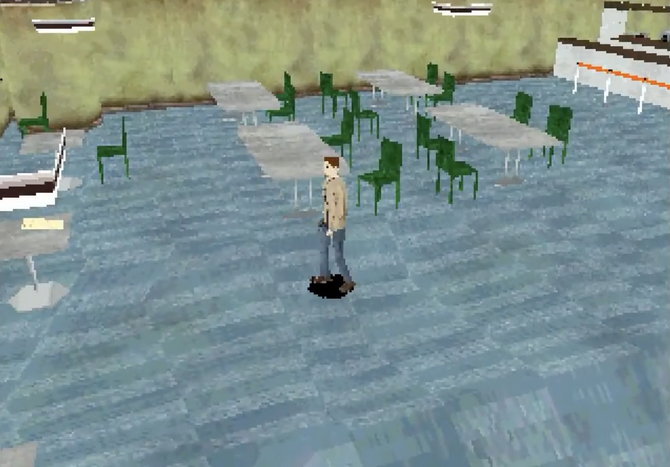
When discussing this current trend known as “PS1-style” or “PS1-ish,” one Japanese title that absolutely cannot be overlooked is *Back in 1995*.
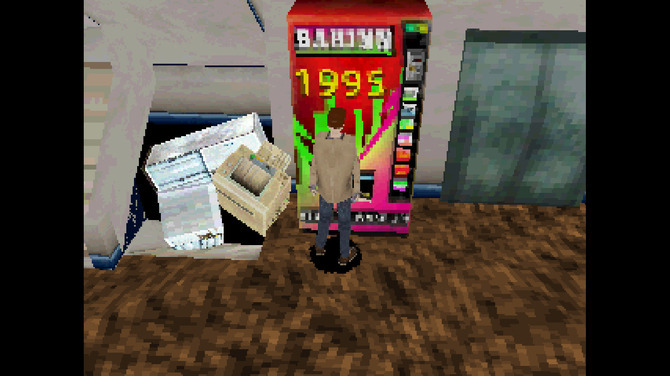
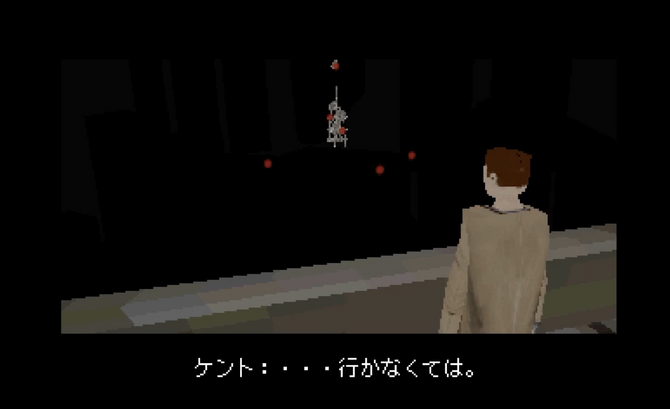
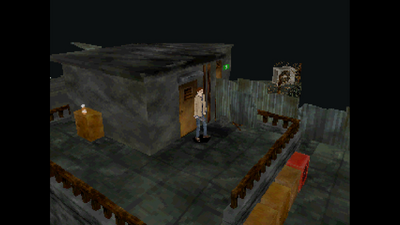
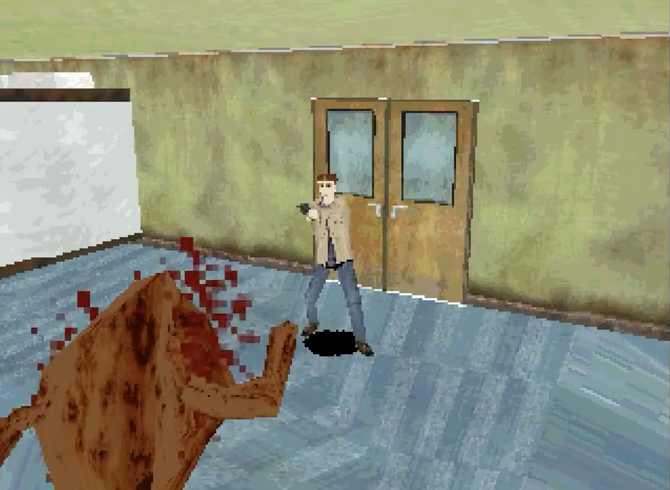
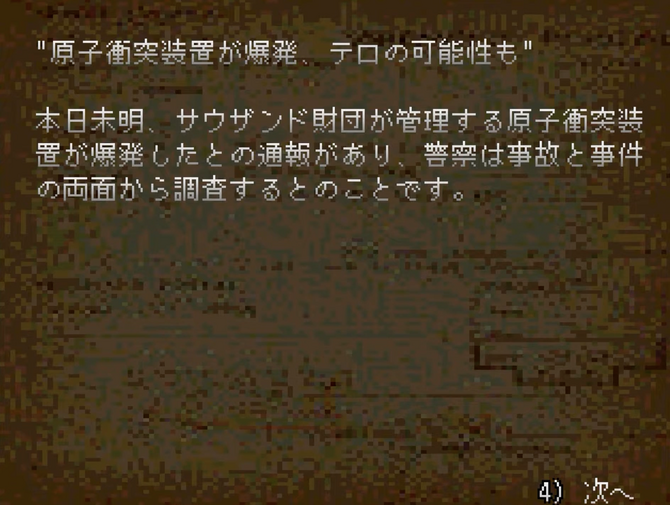
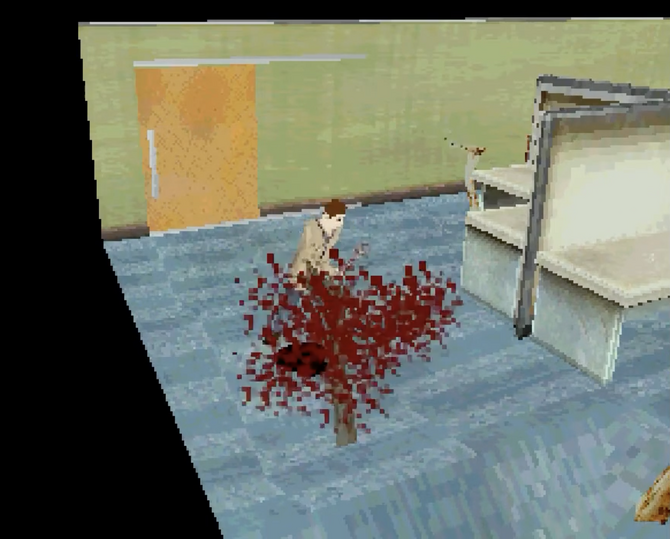
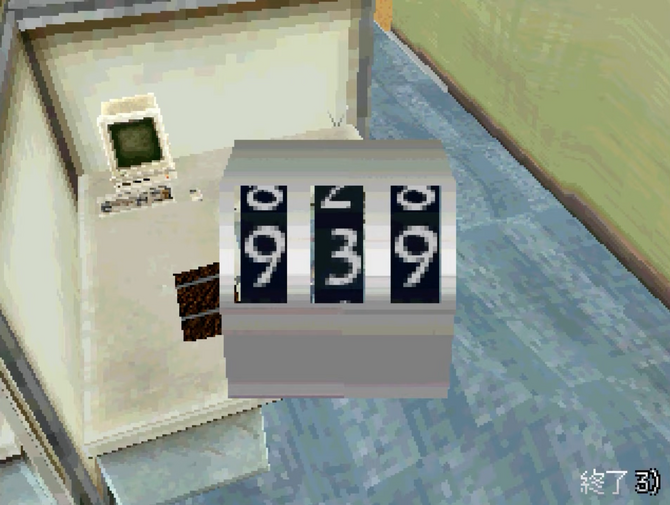
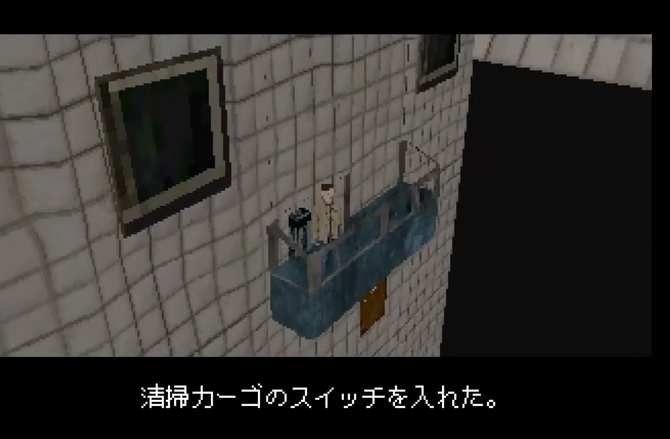
Released on Steam in 2016, this game intentionally incorporates low-poly models, pseudo-low-resolution textures, a CRT-style display, a fixed camera, and so-called “RC-style” controls—all reminiscent of 3D games from the mid-1990s.
It pursued the “PS1-style” aesthetic—now a commonplace form of expression—back when it was still far from mainstream. And in 2026, *Back in 1995* marked the 10th anniversary of its release.
Over the past decade, the landscape surrounding PS1-style games has changed dramatically. A vast number of titles—primarily in the horror genre—have emerged, and games like *Paratopic*, *A Short Hike*, and *Crow Country* have appeared, each pushing the boundaries of lo-fi 3D expression in their own unique ways.

So, how does Takaaki Ichijo (Throw the warped code out)—the developer of *Back in 1995*, who has been pursuing PS1-style aesthetics since their dawn—view the current landscape?
How did “PS1-style games” evolve from mere nostalgia into “a distinct form of expression”? And what lies ahead?
We recently had the opportunity to speak at length with Takaaki Ichijo from various angles, and in this article, we present that valuable interview.
◆From Salesman to Game Developer—The Beginnings of Takaaki Ichijo of ‘Back in 1995’
—Thank you for joining us today. First, could you tell us again about your career path leading up to becoming a game developer?
Takaaki Ichijo (hereinafter Mr. Ichijo): I wasn’t originally a game programmer; I worked in sales at a company that handled tools for game development.
I joined CRI Middleware in 2010 and worked in sales. I had tried my hand at game development back in college, but I gave up, so I thought, “Maybe making games is just too difficult.”
So I decided to change my perspective: I wondered if I could indirectly contribute to the growth of the game industry by working in sales at a company that creates excellent tools for games.
—So, what prompted you to actually make the switch to the “development side” of games?
Mr. Ichijo: Around 2013, Unity was gaining traction in Japan, and when I helped launch CRI’s sound middleware for indie game developers, “ADX LE,” I got to work with Unity again.
At that point, I thought, “With this, maybe I can make a game myself again.”
While I was still employed, I started making various small games, and thankfully, they began to gain traction. So I quit my job, went independent, and shifted my focus to creating and releasing games.
◆“PS1-style” games—which didn’t exist 10 years ago—have now become a “genre” in their own right
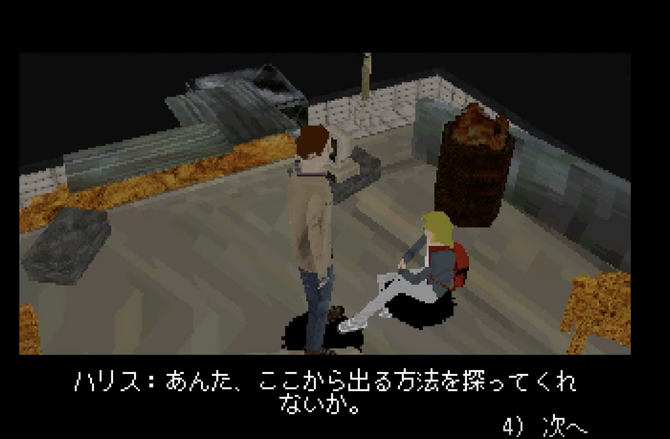
—It’s been 10 years since *Back in 1995* was released in 2016. Comparing then and now, how do you feel the environment surrounding PS1-style games has changed?
Mr. Ichijō: I think it has now become a culture in its own right—or rather, a form of artistic expression.
A lot of titles that could be called “PS1-ish” are now being released on platforms like Steam. Publishers like CRITICAL REFLEX have also emerged, handling a large number of games with these elements.
I think it’s become a genre that indie game developers choose, saying, “I like this, and I’m going to express it this way.”
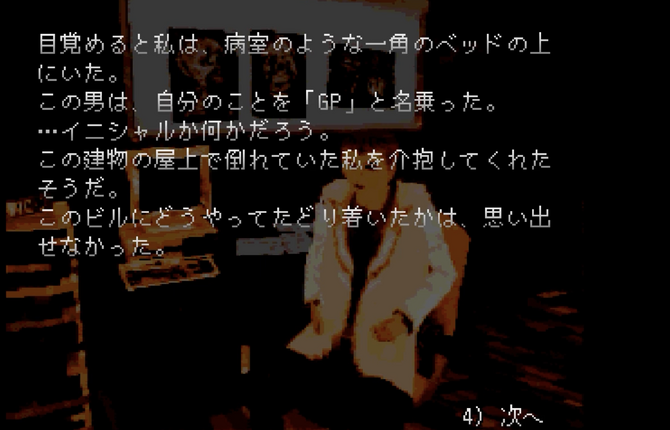
—So, is this no longer an era where “being PS1-style” in and of itself is a selling point for a game?
Mr. Ichijō: I think the time when people would say a game was fun just because it offered “PS1-style nostalgia” is long past.
I think the appeal of beautiful PS1-style visuals or survival horror games with PS1-style mechanics lasted only until around the early 2020s. In recent years, I don’t think users find that alone particularly engaging anymore.
People will just say, “If you want a PS1-style survival horror game, just play *Crow Country*.” There are already some fantastic titles out there.
That’s precisely why I think a different approach is needed now. In a sense, this might be proof that the “PS1-style” concept has matured.
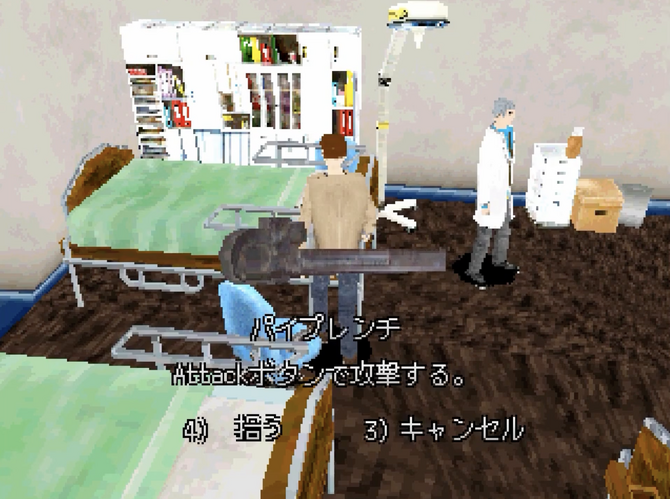
Mr. Ichijō: In the pixel art genre, we’ve moved from an era where “beautiful pixel art” was a strength in and of itself to a time where there are many titles that seamlessly blend visual style with game systems—such as pixel art + roguelike, pixel art + parry RPG, and pixel art + liminal horror.
The fact that the low-poly, low-res genre has undergone a similar evolution to pixel art is, in itself, proof that it has become a distinct genre.
That said, even in pixel art, there are still wonderful games being released that rely on a single strength—like “incredible pixel art”—to stand out. So I think we’ll see PS1-ish games emerge as well, with titles whose meticulous attention to detail becomes their defining strength. Recently, “godot-psxlike,” which recreates PS1-style graphics using the Godot engine, was released. It’s amazing how it achieves this by tracing the internal calculations… (I’ll skip the details since it’s too technical.)
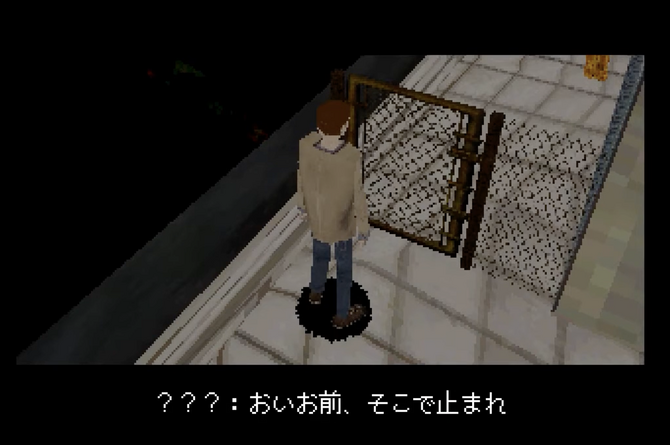
And when considering the current PS1-ish scene, there’s a very interesting phenomenon. It’s that even young creators who didn’t experience the original PlayStation era firsthand are starting to choose this style of expression.
◆Why is a generation that doesn’t know the PS1 creating “PS1-style” games?
—What are your thoughts on the younger generation—teens and people in their 20s—who didn’t experience the original PlayStation in real time creating PS1-style games?
Mr. Ichijō: I think there’s something about falling in love with a “style” that goes beyond logic.
Video games have a history spanning decades, and on the internet, old and new content appear side by side. In an era like this, I honestly don’t think there’s much logic behind simply thinking, ‘Man, I really like this.’
Ichijō: It’s especially evident in music, for example. The generational barriers between old music genres have melted away, and you see people in their 20s today playing really solid ’80s-style rock. It’s like, “I was born in the wrong era” (laughs).
I don’t think there’s any particular logic behind why people like it. In other words, for young creators, the PS1-style aesthetic isn’t even “nostalgia” anymore.
Just like pixel art, ukiyo-e, black-and-white photography, and analog synthesizers, I think the reason is simply, “I like this look because it’s cool or cute, so I use it.” When you think about it that way, I feel like the reason the PS1-ish style has survived for over a decade becomes clear.
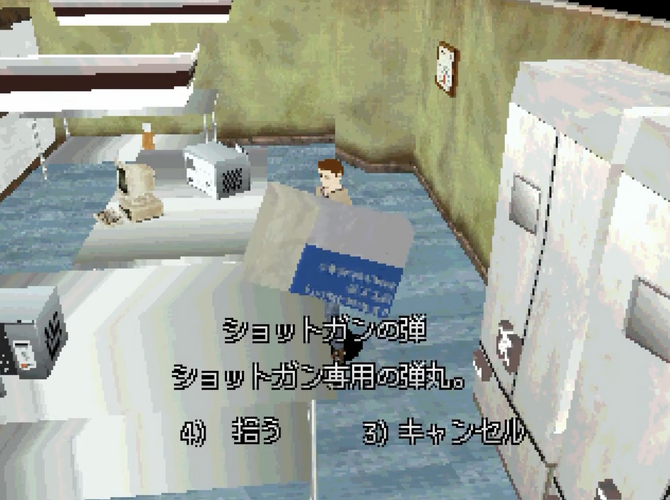
—*Back in 1995* is now recognized as a pioneering work in the PS1-style game genre. How do you view its influence on subsequent creators?
Mr. Ichijo: It’s true that I was the first, but I don’t think that alone means I contributed enormously to this culture. Actually, it’s surprisingly little known (laughs).
It’s true that I was the first, and there are many fans and developers who are really happy about it or still remember it, but when it comes to whether *Back in 1995* made a huge contribution to the development of this culture, I don’t think that’s really the case. I think *Paratopic* was the game that had the biggest impact on indie game developers overseas.And then there’s *A Short Hike*, right?
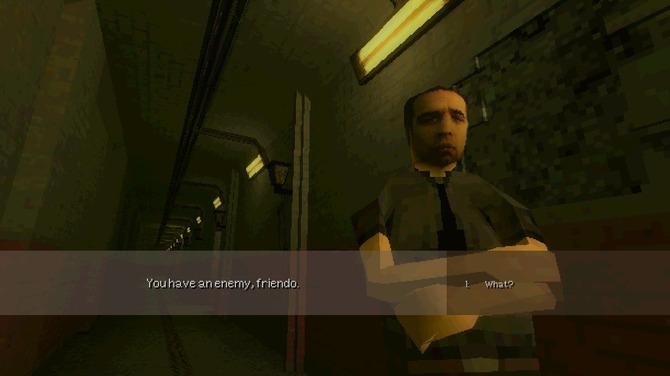
With those kinds of titles coming out, plus PS1-style game jams and horror game bundles, I get the impression it really took off around 2020.
◆The Most Noteworthy “PS1-ish Games” Right Now
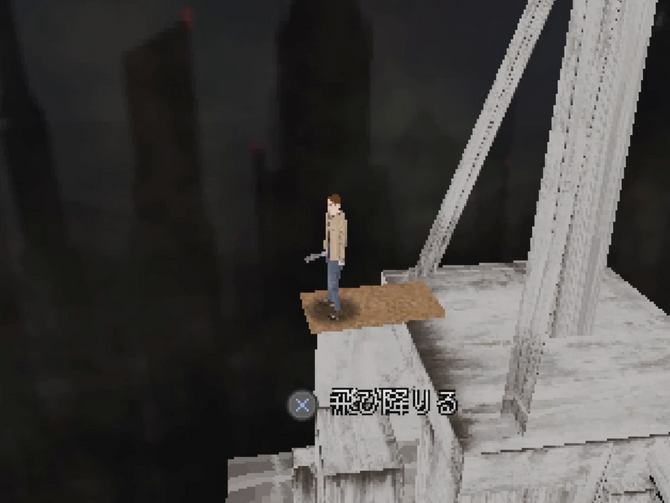
—Are there any recent “PS1-ish” titles that have particularly stuck with you or that you’re looking forward to?
Mr. Ichijō: Personally, I was really excited about *.45 Parabellum Bloodhound*. I heard through the grapevine that it was probably influenced by *Back in 1995*.

Quite a while ago, when the Sukeban Games team visited Japan, I had a chance to chat with them briefly at a small event in Kichijoji. At that time, I mentioned, “We’re making a game like this.” I think it’s a wonderful cycle when encounters with creators like that lead to other projects a few years down the line.
—Are there any Japanese titles you’re keeping an eye on?
Mr. Ichijō: “Nightmare Operator,” I’d say. It’s a third-person shooter horror game where you hunt yokai in a post-apocalyptic Tokyo. Strictly speaking, it’s not “PS1-style,” but as a retro-polygon game in the broad sense, the graphics are absolutely amazing.
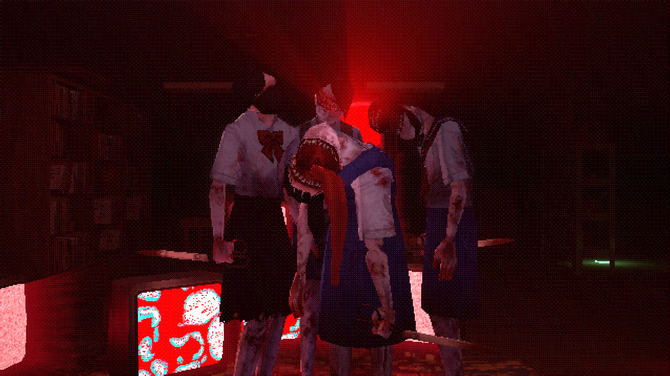
Also, there’s a title that hasn’t been released yet: *Invisum Piscium (Ken-gyo)*. It’s really cute, and the color grading is wonderful, isn’t it?
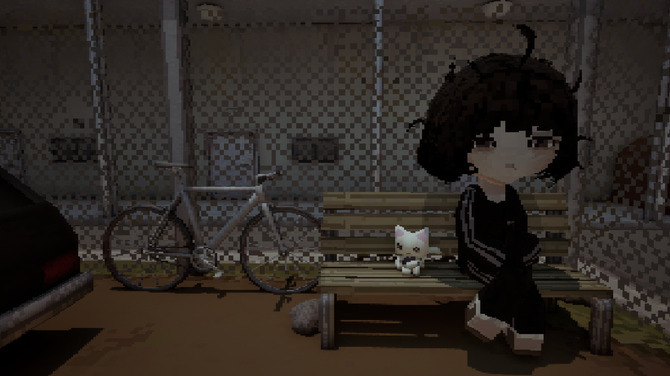
(Editor’s Note) Although this article was edited during TGS, Mr. Ichijō recommended *Project Gears*—a game that blends platformer action and racing—saying, “This was the best part of this year’s TGS!”
◆ What Are the “Up-and-Coming” Unexplored Genres?
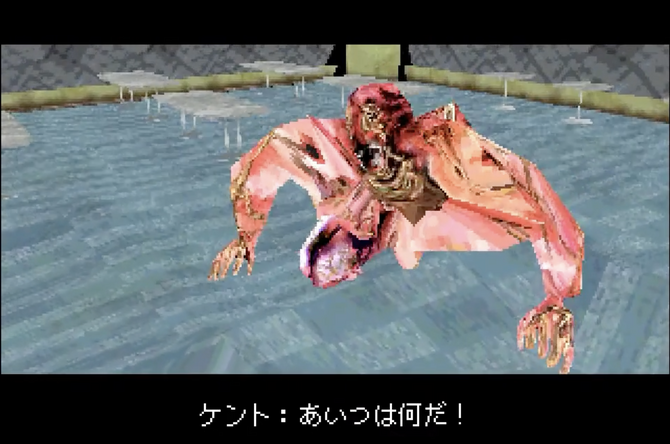
— Aside from horror, are there any genres besides PS1-ish that you think will gain traction in the future?
Mr. Ichijō: I think we’ll see a fair number of RPGs. Recently, there have been a lot of HD-2D RPGs coming out, right? Since those have become fairly common, the next thing I personally think we’ll see is a highly polished, PS1-ish RPG in the vein of *Vagrant Story*.
I consider the graphics in *Vagrant Story* to be among the very best representing the late era of the original PlayStation.
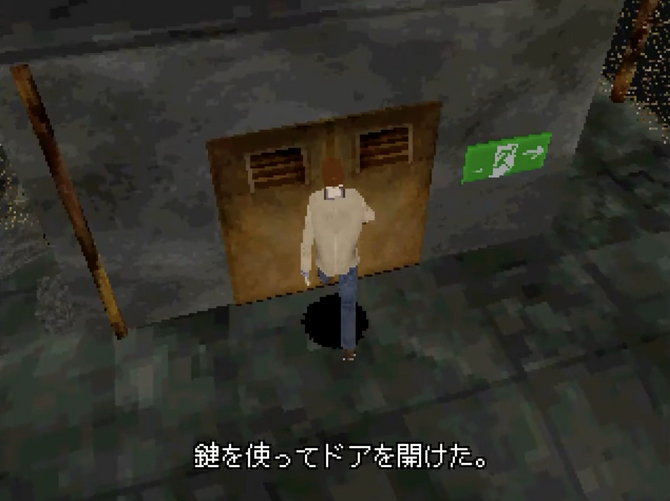
Mr. Ichijo: Another genre I’d love to see is fighting games. There aren’t many of them yet, so in a sense, I think it’s a blue ocean. I’m not very good at fighting games myself (laughs), but if someone were to start working on one, I’d be happy to provide technical support.
PS1-ish games started with the horror genre and have expanded to RPGs, fighting games, and action titles. If that continues, the term “PS1-style games” and the boundaries around it might lose even more of their meaning.
◆ “We’re Not Obsessed with the Original Hardware”: What Is “Authentic PS1-ness”?
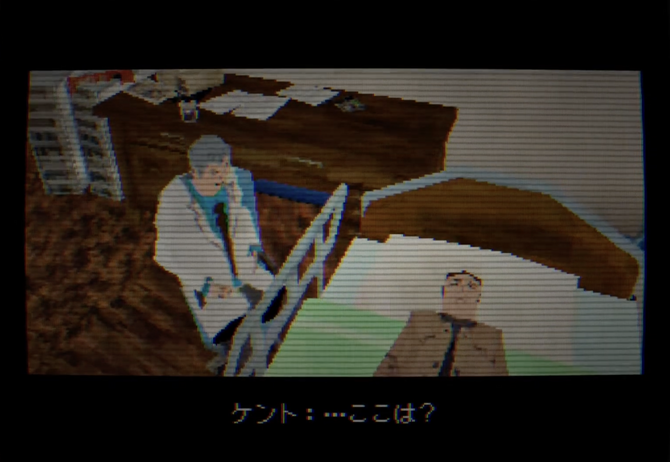
(*Author’s Note*) As more PS1-ish-style games emerge, debates naturally arise over whether they’re “truly PS1-ish.” Is the polygon count accurate? Does the resolution match the original specifications? Is the texture distortion excessive?
However, Mr. Ichijō distances himself from such “purism.” Being “PS1-ish” isn’t just about perfectly reproducing the PS1’s hardware specifications. What’s important is what you take from the artistic expression of that era and how you incorporate it into your own work.
—What are your thoughts on works that simply use low resolution and call themselves “PS1-style” just because it’s trendy?
Mr. Ichijō: First of all, I want to trust the creators.
Of course, there might be some who say, “It’s trendy, so I’ll make it PS1-style.” Since the PS1-style approach can help reduce the number of visual resources needed, I think there are certainly works that simply use low resolution and call themselves “PS1-ish.”
But I’m not a purist either. Even if there’s a “PS1-ish” work that I personally think is “a little off,” if it resonates with other players, then I think that’s fine as it is.
◆The Future of “PS1-ish” and What I Want to Tell the Next Generation of Creators
—What kind of developments and future do you foresee for the “PS1-ish” genre?
Mr. Ichijo: “Vampire Survivors” created a whole new genre called “Vampire Survivors-like,” right?
Well, around May 2026, the “Bullet Haven” tag was added to Steam. That’s because a huge number of *Vampire Survivors*-like games started coming out.
They’ve also added all sorts of other tags, like “Desktop Companion” and “Language Learning.”
So it wouldn’t be surprising if a tag called “Retro Polygon”—which groups together PS1-style titles—appeared in the near future. With this many coming out, people might be thinking, “Enough already.” Personally, I’d love to see it added.

Mr. Ichijo: Also, in recent years—on Xbox, PS5, and of course Steam—all kinds of “festivals” have been popping up on each platform.
So, I’m convinced that a “Retro Polygon Festival” is bound to happen eventually.
By the way, Steam Fest’s annual schedule is pretty much set in stone. For 2026, for example, they’ve got the Programming Fest and the Auto-Battle RPG Fest lined up, but as of now, the schedule is already fully booked all the way through 2027.
—I see, that makes sense. Still, it’s a pretty niche genre, wouldn’t you say…?
Mr. Ichijō: Well then, let’s call this a prediction—or maybe a bet.
The 2028 Steam Fest lineup will include the “Retro Polygon Fest” and the “PS1-ish Fest”! …That’s my prediction (laughs).
— (laughs) I’m really looking forward to that. By the way, what are you betting?
Mr. Ichijō: If I lose the bet, I’ll take it as a sign that this genre still needs more momentum, and I’ll make a new PS1-style game! I’m currently working on games in a completely different genre, but I’ll be making a comeback!
—Do you have any expectations for the future of “PS1-ish”? Do you think it will continue to evolve?
Mr. Ichijō: I think there’s still plenty of room for new ideas to emerge.
Maybe *Mouthwashing* was one such example, but we might see a title emerge in the future that almost everyone recognizes as “the quintessential low-poly game.”
I think there’s a possibility we’ll see a huge wave of them next year or the year after. In other words, rather than a direct lineage from “the original PlayStation → PS1-ish,” a cultural chain is beginning: PS1 → first-generation PS1-ish → next-generation PS1-ish.
Mr. Ichijō: As I mentioned earlier, this is a phenomenon that has happened naturally in pixel art, music, and film. Rough polygons, which were once a “symbol of insufficient performance,” have become, for young people 30 years later, a purely “cool visual expression.”
When you think about it that way, I don’t believe the 10-year span of the “PS1-ish” trend was simply a matter of a “long-lasting nostalgia boom.” I think it was a decade during which the history of game expression itself began to be rediscovered across generations.
—Finally, please share a message for our readers.
Mr. Ichijō: If any game developers reading this article are thinking, “I want to try making something PS1-style too,” please feel free to email me (laughs).
If you’re using Unity, I can offer some technical support, and even with Unreal Engine or Godot, I think I can show you the ropes to a certain extent.
We might even be able to discuss a collaborative release. Ultimately, I genuinely want to support creators like that.
So, if anyone out there is interested, I’d be happy if you could contact me atX.
—Thank you so much for your time today!
"Back in 1995" is currently available on PC (Steam) atPS4/Xbox Oneand Nintendo Switch. It’s on sale for a limited time from September 15 to 22. Why not take this opportunity to check it out?



